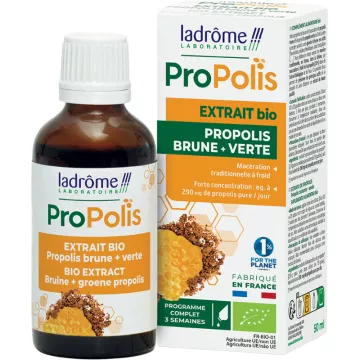
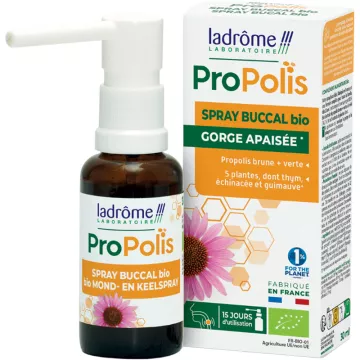
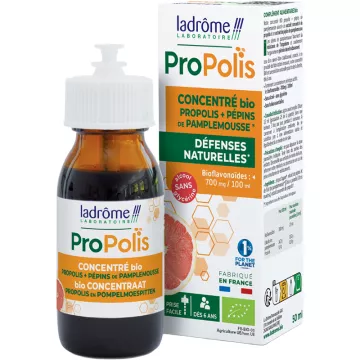
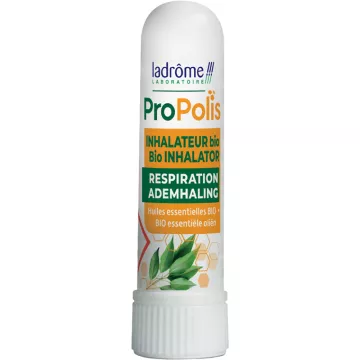
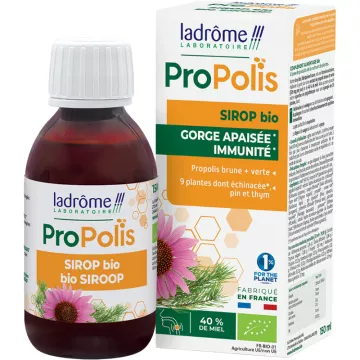
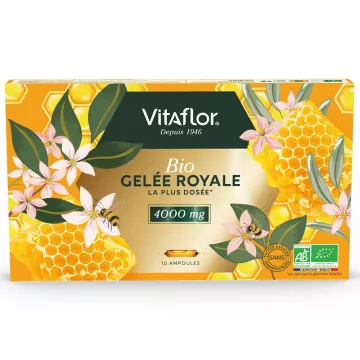
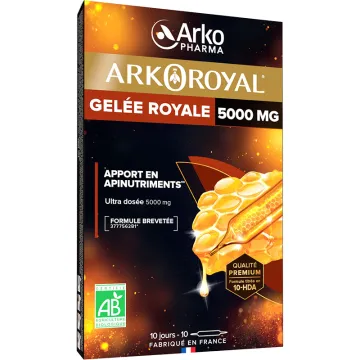
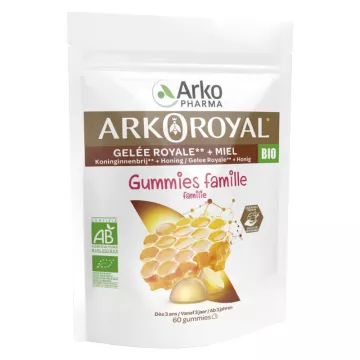
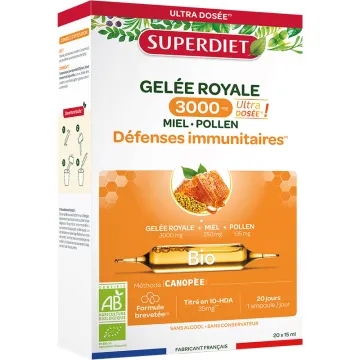
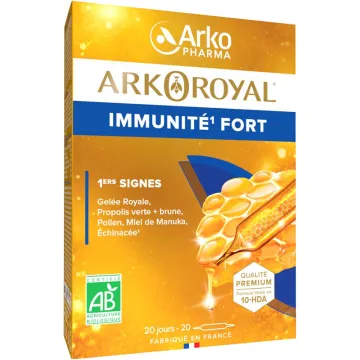
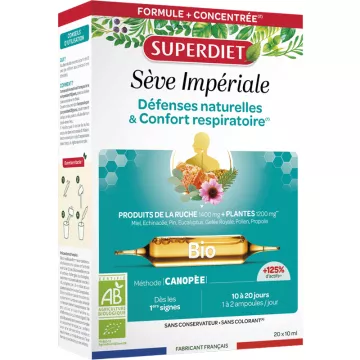
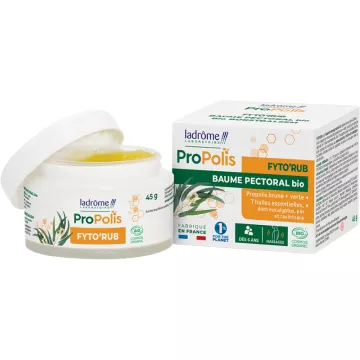
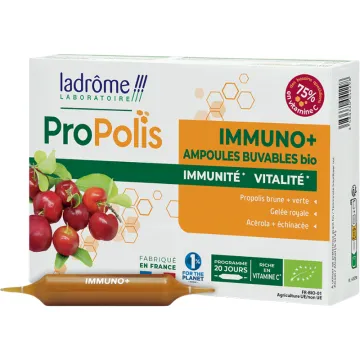
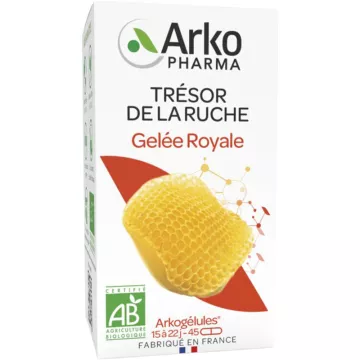
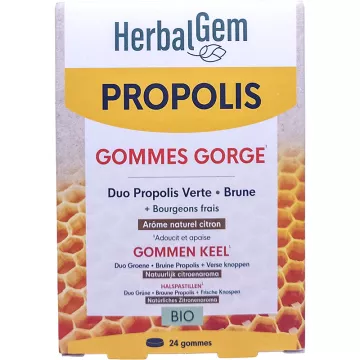
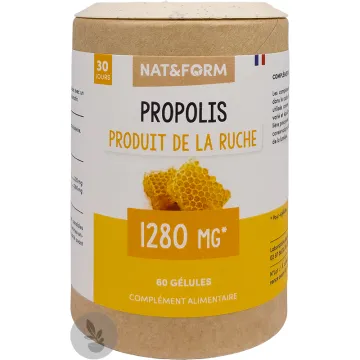
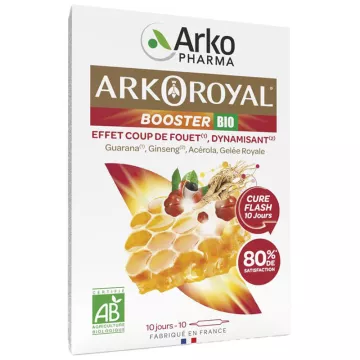
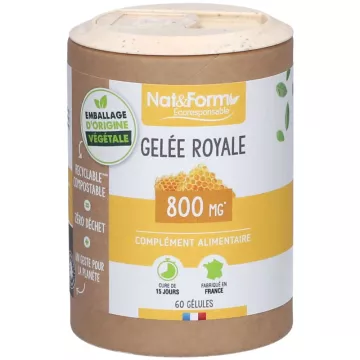
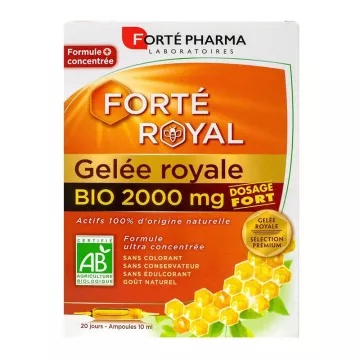
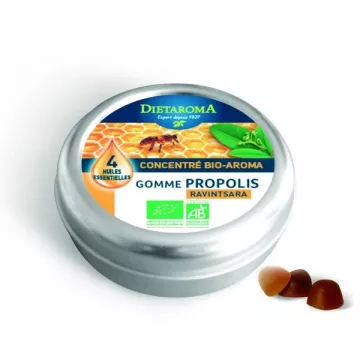
Apitherapy encompasses all traditional uses of products derived from bees’ labor as part of a holistic approach to well-being. This ancient discipline, present in all cultures since antiquity (Egypt, Greece, China, pre-Columbian civilizations), is experiencing a contemporary revival within the framework of modern scientific phytotherapy. Unlike traditional herbal medicine, which uses plants themselves, apitherapy focuses on the substances produced by bees through their pollination and the processing of plant matter. The five main products are sold in modern dosage forms at specialized health stores. Their use is intended as a complement to diet and conventional medical care, not as a substitute for them.
Five bee products form the foundation of modern apitherapy, each with distinct indications and formats:
Each product has its own unique biochemical composition and specific indications detailed on its dedicated page.
The five bee products offer interesting functional synergy. Honey provides a mild, energy-rich dietary base and serves as a traditional foundation for many compound bee products. Propolis specifically targets the ENT system and promotes oral comfort during the cold season. Pollen provides comprehensive nutritional support with its proteins, vitamins, and minerals, which is particularly beneficial during periods of fatigue or convalescence. Royal jelly plays a specific role in short tonic regimens at the start of the season. Beeswax is not a dietary supplement but a raw material used in cosmetics and artisanal products (see the page dedicated to natural beeswax). These products can be used individually or in pre-made combinations offered by specialized laboratories. Preserving the skin barrier through proper hydration completes the overall wellness approach.
Several key times of year particularly benefit from bee-based treatments:
Standard regimens last 3 to 6 weeks and can be repeated after a 1- to 2-week break to respect the body’s natural rhythms.
Several bee products also have a place in natural cosmetics. Honey is used in face masks for its natural soothing and moisturizing properties; it is particularly beneficial as a pre-shampoo hair mask for dry hair. Propolis is used in reparative balms for areas of the skin prone to friction and winter chapping (lips, hands). Beeswax is a key cosmetic ingredient, serving as a natural thickener and protective film-forming agent in balms, creams, and candles (see the page dedicated to beeswax). Royal jelly is included in certain creams for mature skin due to its vitamin and amino acid content. Pollen is primarily intended for internal, oral use. Before using any of these products extensively on the skin, a patch test should be performed on the inner elbow for 48 hours.
A family apitherapy kit can be built up gradually as needed. To start, a jar of good single-flower honey (lavender, thyme, chestnut, or acacia) serves as the universal foundation, taken at a rate of 1 to 2 teaspoons per day. As a winter ENT supplement, include a propolis mouth spray or lozenges and a box of honey-propolis-eucalyptus lozenges. For tonic treatments, a jar of fresh or dried pollen (granules to be stored in the refrigerator) and a vial or bottle of fresh royal jelly for a short course of treatment. For skincare, a lip balm with beeswax and propolis, or even a multipurpose balm. Leading brands in health and beauty stores: Apimab, Apivita, Ballot-Flurin, Famille Mary, Pranarôm, Propolia, Naturactive, Lehning, Phytalliance, Salus. French beekeeping cooperatives also offer traceable, themed assortments.
Several general precautions apply to all bee products. Allergies to bee products: 1 to 3% of the population is sensitized, sometimes with cross-allergies between honey, pollen, royal jelly, and propolis; a gradual introduction is recommended. Infants under 12 months of age: Honey is strictly contraindicated regardless of whether it has been pasteurized, due to the risk of infant botulism associated with Clostridium botulinum spores, which pasteurization does not destroy. This guideline applies to all honeys without exception. Pregnant or breastfeeding women: Honey remains permissible as a food; propolis, pollen, and royal jelly require medical advice before prolonged use. People with diabetes: Appropriate blood glucose monitoring is necessary in the event of regular honey consumption. People with asthma or allergies to the Asteraceae family: exercise extra caution with propolis. If allergic symptoms appear (hives, itching, respiratory problems), stop use immediately and seek medical attention promptly.
Choosing bee products is also a way to support bee populations, which are in alarming decline in Europe and around the world. Several factors are contributing to this decline: neonicotinoid pesticides, the Asian hornet (Vespa velutina), the Varroa mite, intensive monocultures, climate change, and the scarcity of floral resources.Buying from local beekeepers at markets, through short supply chains, or via specialized cooperatives (Famille Mary, Ballot-Flurin, Propolia) helps ensure the long-term survival of sustainable beekeeping operations. The Bio AB, Nature & Progrès, Demeter, or Apicultivons guarantee strict ethical standards. Beyond purchasing honey, planting nectar-producing flowers in your garden or on your balcony (lavender, rosemary, borage, phacelia, sunflower, thyme, savory) is a direct way to support bee biodiversity. Sponsoring beehives or participating in community initiatives (such as the Bumblebee Observatory or insect counts) further this environmental effort.