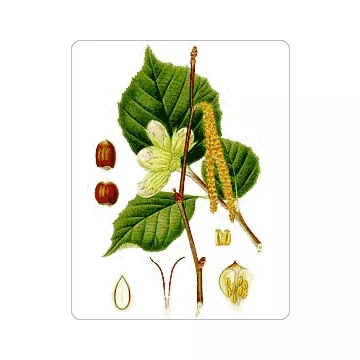
Hazelnuts (Corylus avellana) have a remarkable nutritional profile due to their combination of monounsaturated fatty acids, fat-soluble vitamins, and highly bioavailable minerals. Their essential fatty acids —dominated by oleic acid (omega-9, 75–80%)—help maintain a healthy lipid profile by lowering LDL cholesterol. Vitamin E (approximately 15 mg/100 g, or more than 100% of the RDA) makes them one of the most concentrated plant sources of this fat-soluble antioxidant. As a dietary supplement, hazelnut extracts are used in multivitamin formulas, certified vegetable oils, and phytosterol formulas designed to support cardiovascular health.
The phytosterols naturally present in hazelnuts (approximately 96 mg/100 g) compete with dietary cholesterol in the intestines, reducing its absorption and helping to lower circulating LDL. The EFSA recognizes a health claim for phytosterols: 1.5–3 g per day helps maintain normal cholesterol levels. Oleic acid also promotes erythrocyte membrane fluidity and reduces LDL oxidation, a key mechanism in the formation of atherosclerotic plaques. Postprandial blood glucose levels are moderated thanks to hazelnuts’ low glycemic index (approximately 15) and their high fiber content, which slows carbohydrate absorption.
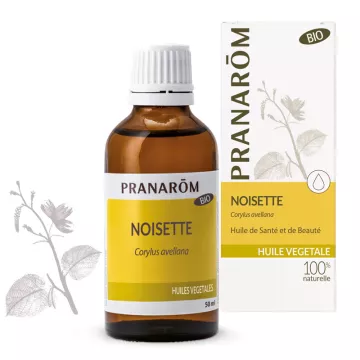
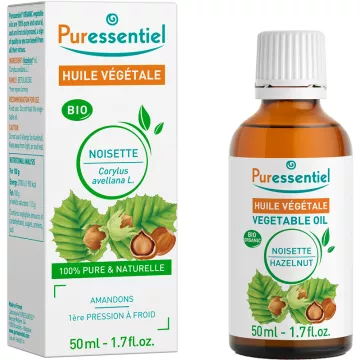
Hazelnut oil stands out from other vegetable oils due to a unique characteristic: it has a comedogenicity index of 2 and possesses a natural astringent action that regulates sebum production. It is particularly recommended for combination and oily skin types, where coconut or sweet almond oil would be contraindicated. Its documented cosmetic properties:
Hazelnuts are a valuable source of micronutrients involved in mental focus and neuronal health:
Hazelnuts provide about 10 g of dietary fiber per 100 g, including insoluble fiber (cellulose, hemicellulose) and soluble fiber (pectins). These fibers regulate intestinal motility and serve as a preferred substrate for beneficial colon bacteria. Clinical studies (Dahl et al., 2016) show that regular consumption of hazelnuts increases the populations of Bifidobacterium and Lactobacillus in the colon, with a documented prebiotic effect. This action, in turn, promotes the production of short-chain fatty acids (SCFAs), which are beneficial for the integrity of the colonic mucosa.
Hazelnuts are one of the major allergens regulated by the EFSA and European Regulation 1169/2011, with mandatory labeling requirements. Hazelnut allergy can cause reactions ranging from mild (oral tingling, hives) to severe (anaphylaxis), and frequently cross-reacts with birch pollen (oral allergy syndrome). When used topically, hazelnut oil is generally well tolerated, but a preliminary skin test is recommended for people with nut allergies. Its high caloric density (628 kcal/100 g) means it should be consumed in moderation as part of weight management—a 30-gram serving (about a handful) is the amount commonly recommended to benefit from its vitamin and phytosterol content without excessive calorie intake.