Hair care should be tailored to the nature of your scalp above all other factors. These two opposite hair types require radically different care:
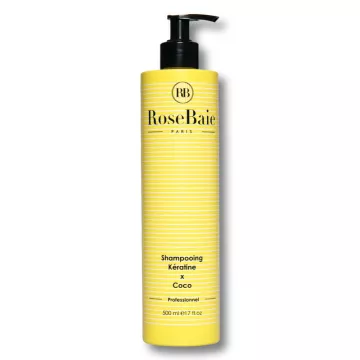
A combination scalp (oily roots, dry ends) benefits from a balancing shampoo for the roots and a nourishing treatment applied only to the lengths. Scalp type can change with age, the seasons, or hormonal shifts—reassess your hair profile regularly. Dry hair, in particular, responds well to bamboo- and keratin-based treatments to restore shine and suppleness.
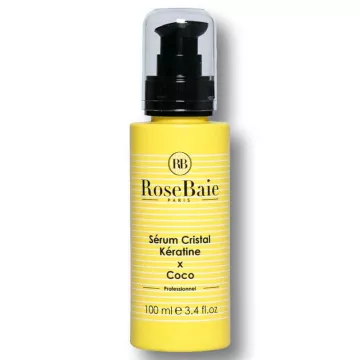
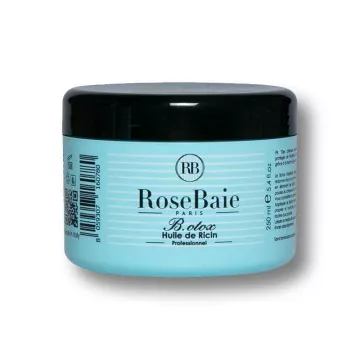
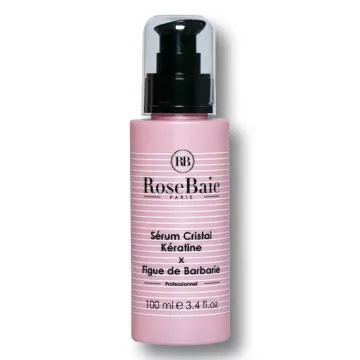
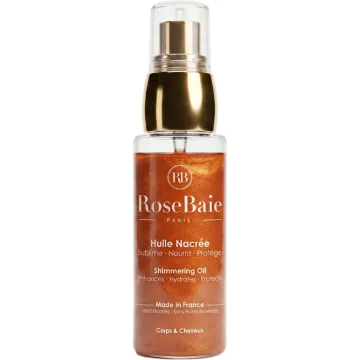
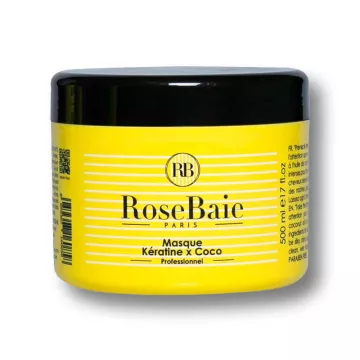
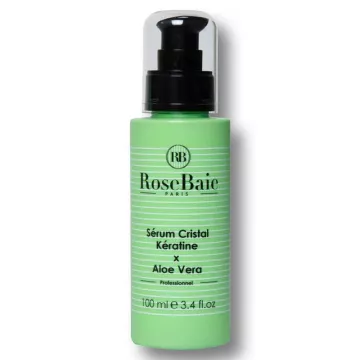
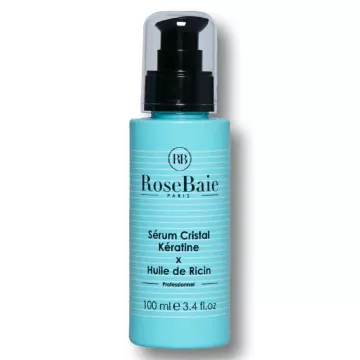
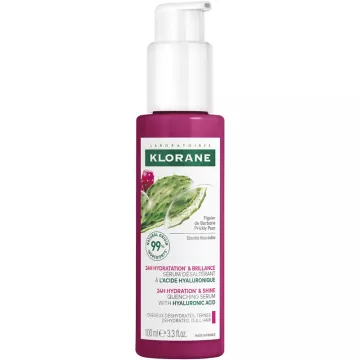
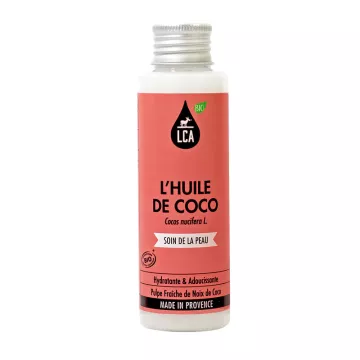
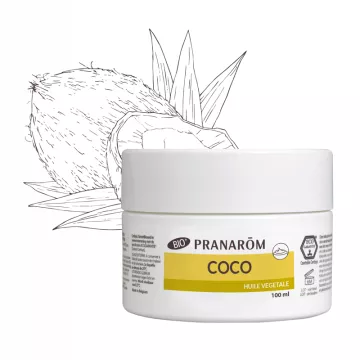
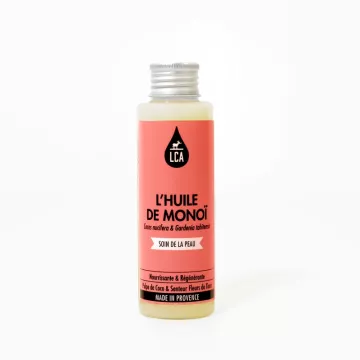
Hair serums are concentrated, leave-in treatments to be applied to damp or dry hair. A castor oil serum (ricinoleic acid, hydroxylated omega-9) nourishes dry ends, strengthens the hair shaft, and stimulates growth—use a precise amount (1 to 2 pumps) to avoid weighing the hair down. Prickly pear serum (linoleic acid, vitamin E [tocopherol]) adds shine and provides light nourishment without leaving a greasy residue—particularly suitable for color-treated or sun-exposed hair. Coconut oil, the only oil that penetrates the cortex, reduces hair protein loss—use it as a pre-shampoo treatment or a lightweight finishing serum.
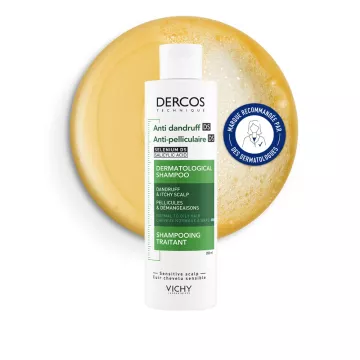
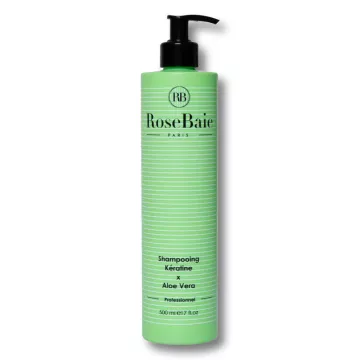
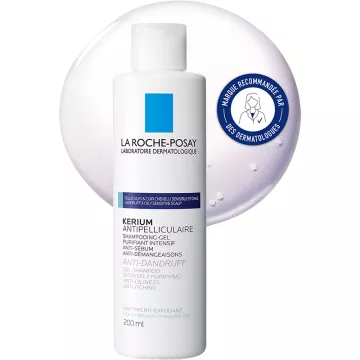
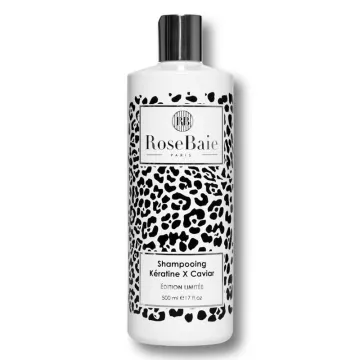
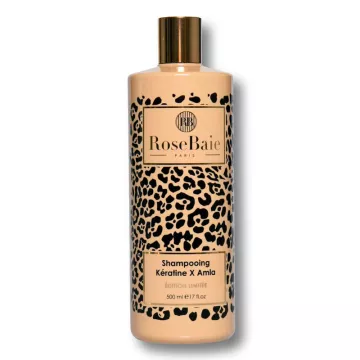
Dandruff results from excessive proliferation of the Malassezia furfur fungus, which accelerates the renewal of the scalp’s epidermis. Treatment-based anti-dandruff shampoos contain antifungal agents (zinc pyrithione, ciclopirox, selenium disulfide, ketoconazole) and/or exfoliants (salicylic acid, sulfur). 2-in-1 formulas are convenient but less effective than two-step formulas for severe cases. These shampoos are used as a treatment (3 to 4 times a week for 4 to 6 weeks) and then for maintenance (1 to 2 times a week). A keratin-fortifying shampoo can be alternated with anti-dandruff shampoos to nourish hair strands weakened by treatments.
Neutral henna (Cassia obovata, which is different from the coloring henna Lawsonia inermis) is used for its coating, softening, and strengthening properties—since it contains no pigment, it does not color the hair but coats it and gives it a natural shine. Bamboo pith (organic silica, plant proteins) strengthens the hair shaft, improves combability, and adds lightness to dry, dull hair. These natural active ingredients are incorporated into certified organic formulas (Ecocert, Cosmébio) that meet the growing demand for health- and environmentally-friendly hair care products.
Solid shampoo (hair bar, 50 to 80 g = 2 to 3 bottles of liquid shampoo) is generally free of water, antimicrobial preservatives, harsh sulfates (mild surfactants: SCI, sodium lauroyl lactylate), and plastic. Their cleansing power is comparable to that of the best gentle liquid shampoos, provided you rinse the scalp thoroughly. The adjustment period (2 to 4 weeks) may temporarily weigh down the hair—be prepared for this. These shampoos fit naturally into an organic routine that’s gentle on the scalp.
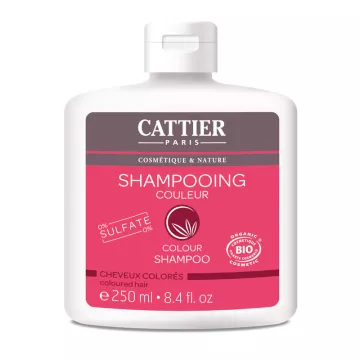
Hair serums are not suitable for everyone without some adjustment. Those with very fine, oily hair should avoid heavy, oily serums (castor oil, avocado) that weigh the hair down and cause it to become oily more quickly—light, water-based serums or serums made with plant-derived hyaluronic acid are better suited. Thick, curly, or coily hair, on the other hand, can tolerate richer serums and may benefit from using a larger amount. For oily hair, the serum (if used) should be applied exclusively to the mid-lengths and ends, never to the scalp. The key to an effective hair care routine is carefully tailoring each product to the actual condition of your hair and scalp—there is no one-size-fits-all solution. Organic, sulfate-free shampoos often provide the best foundation for building a healthy hair care routine, regardless of hair type.