What is gonorrhea, and how is it spread?
Gonorrhea is a sexually transmitted infection (STI) caused by the bacterium Neisseria gonorrhoeae, with an estimated 300,000 new cases annually in France, according to Santé publique France. It affects the mucous membranes:
- In men: the urethra (yellow-green purulent discharge, burning during urination), the rectum, and the pharynx.
- In women: cervix (cervicitis, often asymptomatic), urethra, rectum, and pharynx. 50 to 70% of infected women are asymptomatic, contributing to silent transmission.
- Transmission: unprotected sexual contact (vaginal, anal, or oral-genital) or neonatal transmission during childbirth.
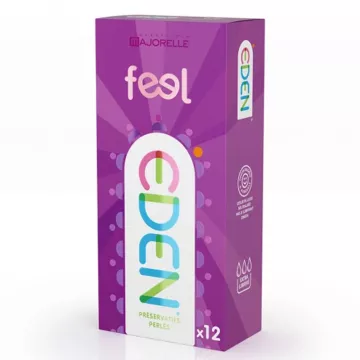
Consistent and correct use of condoms is the most effective method of prevention. Regular screening is essential, especially for those with multiple partners—available free of charge and anonymously at CeGIDD centers.
Gonorrhea: When Should You See a Doctor Immediately?
Gonorrhea absolutely requires a medical diagnosis and treatment. No dietary supplement can treat a Neisseria gonorrhoeae infection. Reasons to seek immediate medical attention:
- Growing antibiotic resistance: N. gonorrhoeae is classified as a bacterium with “critical resistance” by the WHO. The current treatment (a single 500 mg intramuscular dose of ceftriaxone) can only be prescribed by a doctor after a confirmed diagnosis—self-medication is contraindicated.
- Complications without treatment: pelvic inflammatory disease (PID) in women, risk of tubal infertility; epididymitis in men; disseminated gonococcal bacteremia (arthritis, endocarditis).
- Mandatory treatment of sexual partners: the doctor may issue a prescription for preventive treatment for sexual partners (partner notification).
Probiotics and the genital microbiome: a helpful approach to STIs?
Probiotics (Lactobacillus crispatus, L. rhamnosus, L. reuteri) play a preventive role in genital mucosal health. L. crispatus is the dominant strain of the protective vaginal microbiota—its abundance is associated with a reduced risk of bacterial vaginosis and STIs. Microbiota dysbiosis (a reduction in Lactobacillus) increases susceptibility to genital infections. Targeted probiotics help maintain the genital epithelial barrier—as a supplement to, not a replacement for, medical treatment.
Vitamin C and zinc: immune support against infections?
Two micronutrients essential for immune function against bacterial infections:
- Vitamin C: stimulates neutrophil function, T-cell proliferation, and interferon production. The EFSA claim regarding vitamin C’s contribution to the normal functioning of the immune system is validated.
- Zinc: a cofactor for more than 300 immune enzymes, essential for the proliferation of cytotoxic T lymphocytes. The EFSA claim regarding its contribution to the normal functioning of the immune system is validated. Zinc deficiency is one of the most common causes of nutritional immune deficiency.
Echinacea and propolis: do they strengthen the immune system?
Two well-documented immunostimulants for immune support against infections:
- Echinacea (Echinacea purpurea): stimulates phagocytosis by macrophages and the production of pro-immune interleukins. Meta-analyses (Shah, 2007) confirm a reduction in the duration of infections. Its mechanism of inducing innate immunity is particularly relevant for post-infection support. Do not use for more than 8 consecutive weeks.
- Propolis: Its flavonoids (chrysin, galangin) and phenolic acids (CAPE) have documented antibacterial and immunomodulatory properties in vitro. Caution: Possible cross-allergy in individuals allergic to bee products.
Vitamin D3 and omega-3: anti-infectious immunity and resolution?
Two systemic immunomodulatory agents:
- Vitamin D3: activates innate immunity and stimulates the production of cathelicidin and beta-defensins in the genital mucosa—the first line of defense against pathogens. Meta-analyses confirm a reduced risk of infections in deficient populations.
- Omega-3 fatty acids EPA and DHA: their resolvins and protectins are pro-resolutive mediators that accelerate the resolution phase of post-infectious inflammation and reduce tissue damage to the mucous membranes. They are useful during the recovery phase to minimize long-term effects.