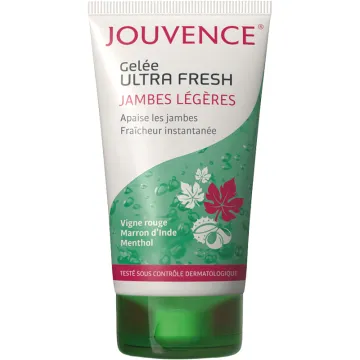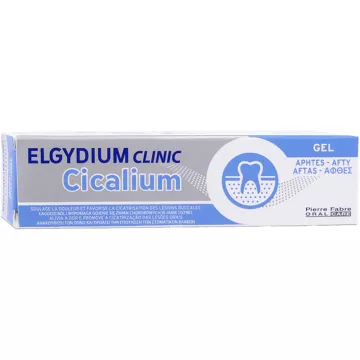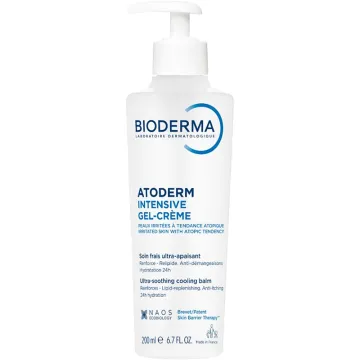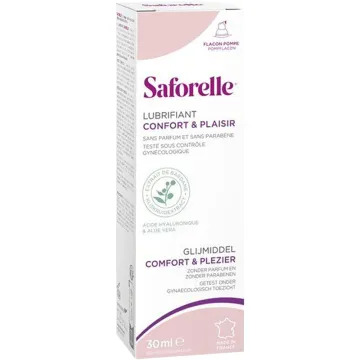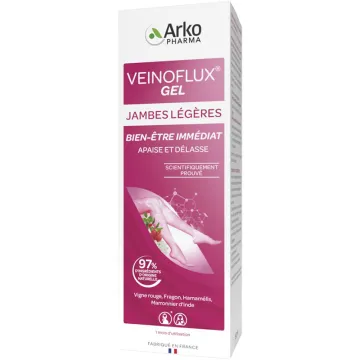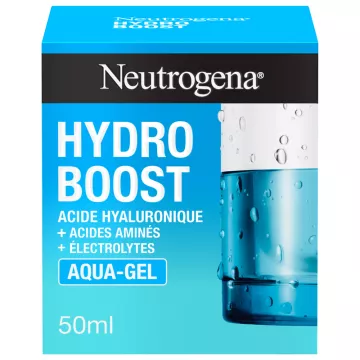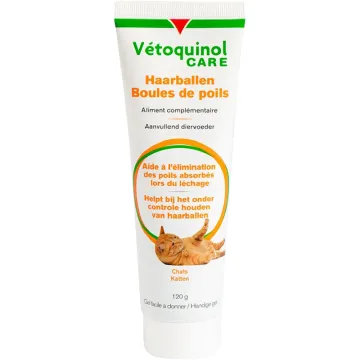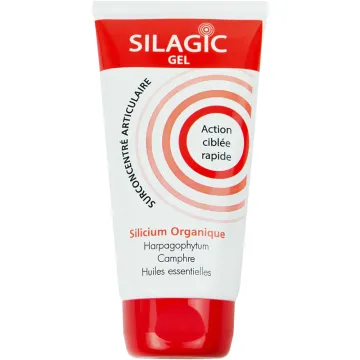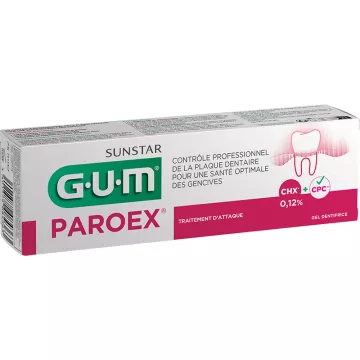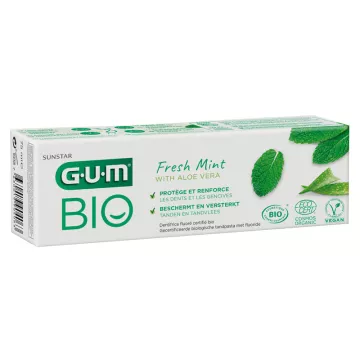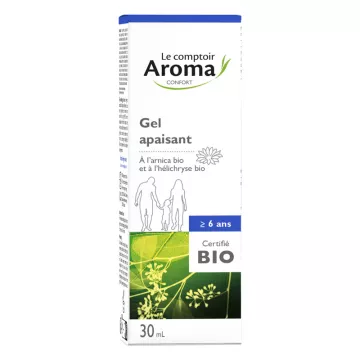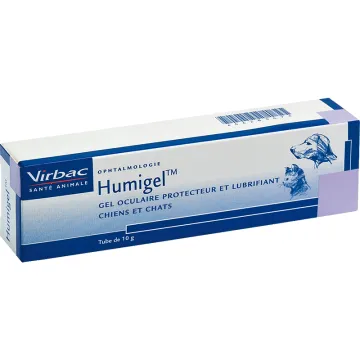
A cosmetic gel is a semi-solid formulation that combines the properties of liquids and solids, with a light texture that is easy to apply.
This type of product is popular for providing hydration without the heaviness of traditional creams.
Gels are often formulated with a water-based base, making them particularly suitable for oily or acne-prone skin: they absorb quickly, have a non-greasy finish, and leave no sticky residue.
They come in many varieties: facial gel, body gel, soothing after-sun gel, hair gel, intimate gel, and hygiene gel—each with its own specific formulation and active ingredients.
Cosmetic gels form a thin layer on the skin’s surface that allows active ingredients to penetrate quickly without clogging pores.
This texture promotes the diffusion of hydrophilic active ingredients: hyaluronic acid, glycerin, niacinamide, and soluble plant extracts.
Modern formulations may incorporate sustained-release systems to maintain the product’s effectiveness for several hours.
Some gels also contain soothing active ingredients to reduce feelings of skin discomfort, which are particularly useful for reactive or irritated skin.
The choice of a cosmetic gel depends on skin type, personal preferences, and the context of use.
Gels are particularly well-suited for oily or combination skin: they provide effective hydration without adding oil to the skin.
Their light, refreshing texture is appreciated in hot, humid climates, where a rich cream might feel too heavy.
They also complement a skincare routine for combination skin well, by applying the gel to the T-zone (forehead, nose, and chin) and a richer cream to drier areas.
There is a wide variety of cosmetic gels, each formulated for a specific use:
A cosmetic gel can easily be incorporated into a dailymoisturizing routine.
Classic method: Apply after cleansing and toning, before a serum or a richer cream, as needed.
For oily or combination skin, the gel may be sufficient as the primary moisturizer, without a cream on top.
For drier skin types, the gel serves as a first layer of rapid hydration, to be followed by a nourishing cream or an occlusive balm as the final step.
Cosmetic gels offer several advantages over creams or lotions:
However, creams remain better suited for dry, mature, or very dehydrated skin, which requires nourishing lipid components.
Cosmetic gels are based on a combination of several families of ingredients:
These ingredients are all regulated by European Regulation (EC) No. 1223/2009 on cosmetics.
To choose the right cosmetic gel, several criteria should be considered based on your skin type:
Always perform a skin test on the inner elbow 48 hours before first use.
Cosmetic gels are particularly well-suited as a makeup base.
Their lightweight texture and fast absorption create a smooth, even surface, ideal for the uniform application of foundation, BB cream, or concealer.
Some mattifying gels are specifically formulated to reduce the appearance of pores and minimize shine, providing a long-lasting matte base that’s particularly suitable for combination to oily skin.
Method: Apply the gel, let it absorb for 3 to 5 minutes, then apply your usual makeup on top. For acne-prone skin, make sure the gel is labeled “non-comedogenic.”
Proper storage of cosmetic gels is essential to preserve their effectiveness.
Store them in a cool, dry place, away from direct light and heat (never in a car in direct sunlight or near a radiator).
Pump bottles or airtight tubes limit oxidation and the risk of contamination; do not touch the bottle’s nozzle with your fingers.
Follow the PAO (period after opening) indicated on the packaging. Ifthe product’sappearance, color, smell, or texture changes, stop using it.
Several innovations are shaping the current development of cosmetic gels: