What is acid reflux, and what are its symptoms?
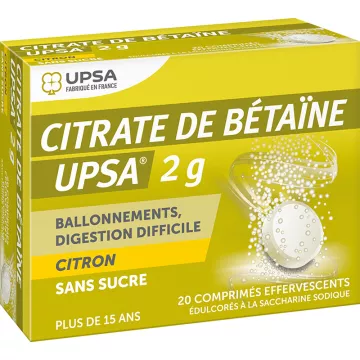
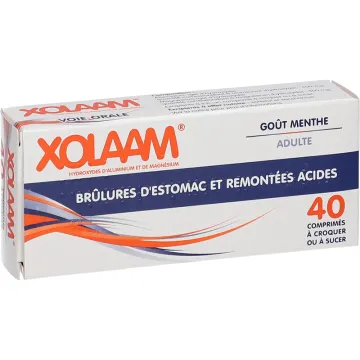
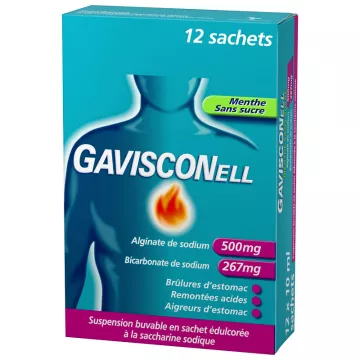
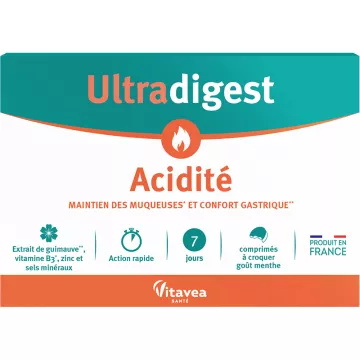
Gastric acidity refers to the reflux of acidic stomach juices into the esophagus due to a malfunction of the lower esophageal sphincter (LES). It is often mistakenly called “heartburn,” when in fact it is esophageal burning. Our line of digestive medications and supplements offers solutions for rapid relief and long-lasting mucosal protection.
- Typical symptoms: a burning sensation rising from the sternum toward the throat — a persistent sour or bitter taste in the mouth — regurgitation — difficulty swallowing (mild dysphagia)
- Atypical symptoms that are often overlooked: chronic bad breath (stomach acid fermenting in the esophagus) — tooth erosion (demineralization of enamel by acid) — dry cough at night — hoarseness in the morning
- Triggering factors: Weakened esophageal sphincter due to alcohol, coffee, chocolate, strong mint, and cigarettes — being overweight (abdominal pressure on the stomach) — large, late meals — medications (NSAIDs, benzodiazepines, calcium channel blockers)
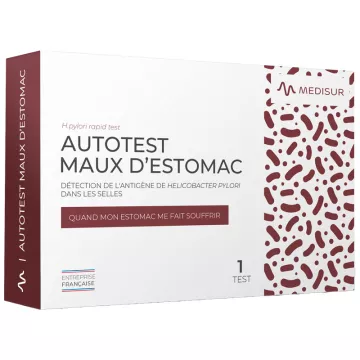
- Gastric acidity vs. ulcer: Gastric acidity is irritation of the esophagus caused by reflux —a gastric ulcer is erosion of the stomach wall itself (H. pylori, NSAIDs) — similar symptoms but distinct mechanisms
- Acid Reflux vs. Gastritis: Gastritis affects the stomach lining — acid reflux (GERD) affects the esophagus through backflow
Natural gastroprotective ingredients to help manage gastric acidity
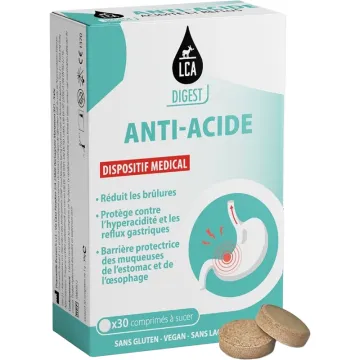
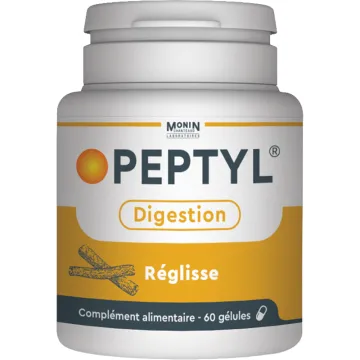
- Deglycyrrhizinated licorice (DGL): stimulates the production of protective esophageal and gastric mucus — chewable tablets taken 20 minutes before meals — a leading natural active ingredient, with no effect on blood pressure, safe during pregnancy
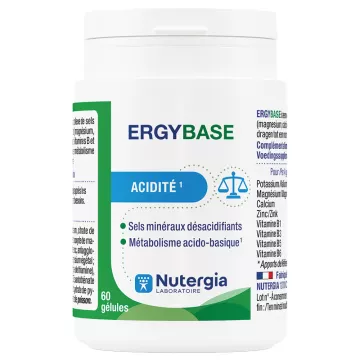
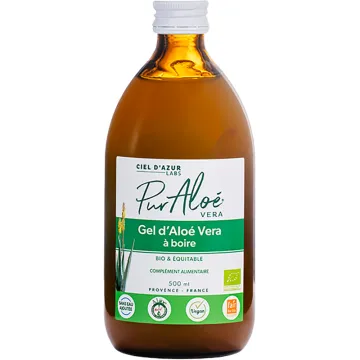
- Aloe vera gel for internal use: anti-inflammatory for the esophageal lining irritated by acid—reduces inflammation and promotes healing—pure juice in the morning on an empty stomach and before meals, available in our line of digestive supplements
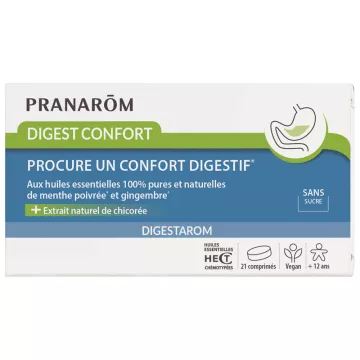
- Ginger (500–1,000 mg before meals): prokinetic — accelerates gastric emptying → less acid available to reflux — protects the gastric mucosa — available in standardized capsules
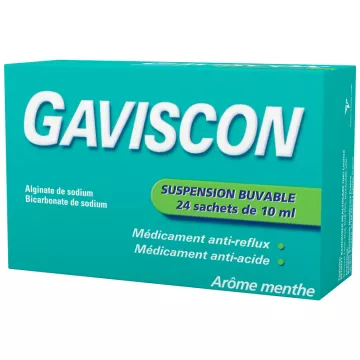
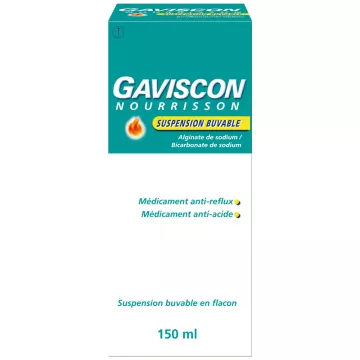
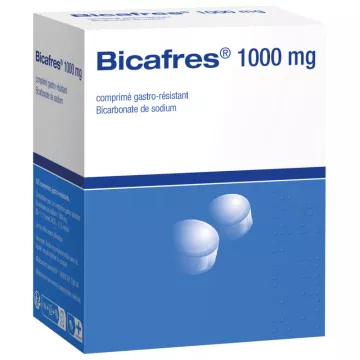
- Sodium bicarbonate (1/4 teaspoon in water): neutralizes acid in 5 minutes — for occasional use only — do not repeat daily (alkalosis + rebound hypersecretion effect)
- Chamomile (3 cups of tea per day between meals): antispasmodic for the lower esophagus + anti-inflammatory—provides long-lasting relief from mild to moderate functional heartburn
Diet, Lifestyle, and Medical Treatments
- Foods to avoid: coffee (directly stimulates acid secretion), alcohol (destroy gastric mucus), chocolate, citrus fruits and acidic juices, tomato paste, strong spices, mint in any form, carbonated beverages (CO₂ = bloating + relaxation of the lower esophageal sphincter)
- Eat 5–6 small meals per day: smaller portions = less pressure on the lower esophageal sphincter (LES) — chew slowly 20–30 times — do not lie down for at least 3 hours after a meal
- Sleeping position: Raise the head of the bed by 15–20 cm using blocks under the bed legs — sleep on your left side — these are the two most effective measures against nighttime heartburn
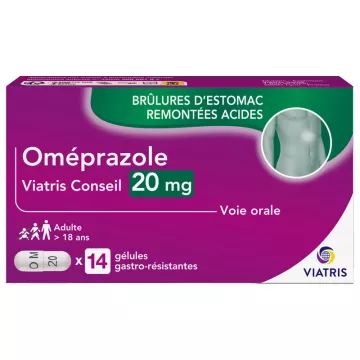
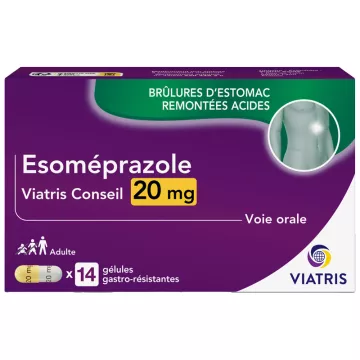
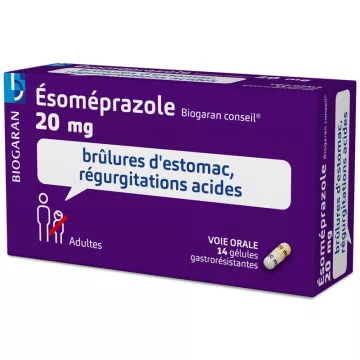
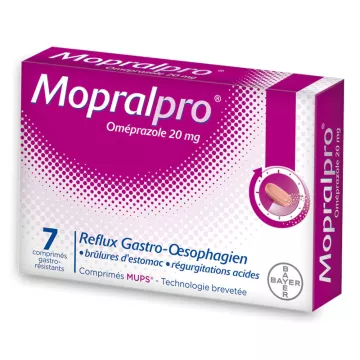
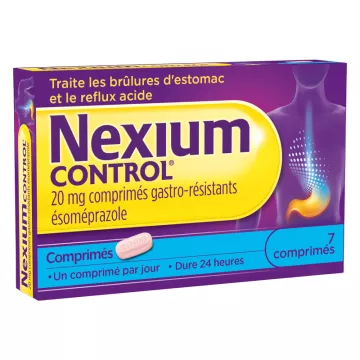
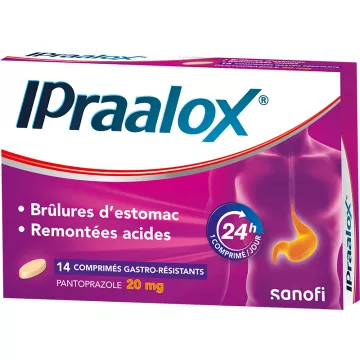
- PPIs (omeprazole, pantoprazole): Take 30 minutes before the first meal — self-medicate for a maximum of 4–8 weeks — taper off gradually over 2–4 weeks to avoid a rebound effect — risk of magnesium and B12 deficiencies if used for more than 6 months
- Weight loss if overweight, quitting smoking, reducing alcohol intake: the three most effective non-pharmacological measures for chronic acid reflux — see our stomach pain page for a complete overview
Complications, prevention, and when to seek medical advice
- Tooth erosion: stomach acid demineralizes tooth enamel—rinse your mouth with water after each episode of regurgitation—never brush your teeth immediately afterward (this weakens the softened enamel)—see a dentist if erosion is visible
- Gastric-related bad breath: Acid fermenting in the esophagus produces sulfur compounds—not improved by brushing alone—treat the underlying cause (GERD) to resolve the symptom
- Barrett’s esophagus (esophageal metaplasia): a complication of untreated chronic acidity → precancerous esophageal intestinal metaplasia → surveillance endoscopy every 1–3 years
- Nissen fundoplication (anti-reflux surgery): laparoscopic reinforcement of the lower esophageal sphincter (LES)—indicated for severe GERD resistant to PPIs or a large hiatal hernia—10-year efficacy comparable to PPIs
- Consult a physician if: symptoms lasting > 4 weeks that are resistant to antacids — progressive dysphagia — weight loss — onset after age 55 — persistent unexplained nocturnal cough — endoscopy to screen for Barrett’s esophagus