Why is foot care important?
Foot care contributes to daily hygiene, comfort while walking, and the prevention of several common problems: dryness, calluses, hyperkeratosis, fungal infections, ingrown toenails, and blisters. Your feet support your body weight all day long and are often exposed to a hot and humid environment inside your shoes: regular care helps prevent complications and facilitates the early detection of unusual changes (spots, pain, persistent lesions).
What are the basic steps for taking care of your feet?
A simple, regular routine is sufficient in most cases:
- Daily washing with mild soap or a syndet; thorough drying, **including between the toes** (moisture promotes fungal infections).
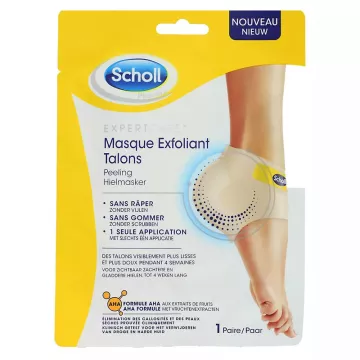
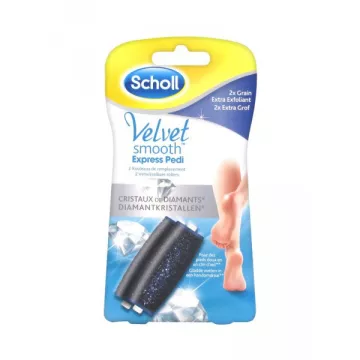
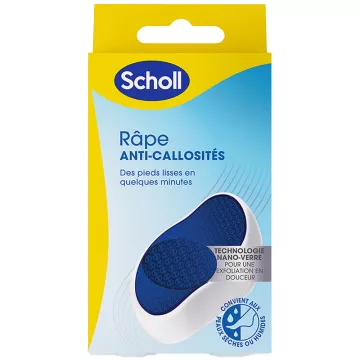
- Gentle weekly exfoliation (exfoliating glove, pumice stone, fine-grained scrub) on the heels, without rubbing too hard. **Contraindications**: Pumice stones and sharp tools should not be used by people with diabetes, or in cases of peripheral artery disease, neuropathy, or open wounds.
- Moisturize in the morning or evening with a suitable foot cream.Urea is the gold standard active ingredient: 5 to 10% for moisturizing, 15 to 25% for a keratolytic effect on very thickened areas.
- Trim nails straight across (do not round the corners, do not cut them too short) to reduce the risk of ingrown toenails.
- Ventilation: breathable shoes, cotton or technical-fiber socks, and rotating pairs of shoes.
How can you prevent foot odor?
Foot odor results from the breakdown of sweat by bacteria naturally present on the skin and inside shoes. A few simple steps:
- Wash and dry your feet thoroughly every day, especially between the toes.
- Change socks daily; choose natural fibers (cotton) or breathable technical fabrics.
- Rotate your pairs of shoes and let them air out between uses.
- Use deodorants or absorbent powders specifically designed for feet.
- Take lukewarm foot baths with a little baking soda (alkaline pH ~9; use sparingly on sensitive skin).
- In cases of excessive sweating accompanied by discomfort (plantarhyperhidrosis ), consult a doctor to explore appropriate treatment options (concentrated antiperspirants, iontophoresis, etc.).
What treatments are available for dry feet and cracked heels?
Dry feet and cracked heels require a multi-step approach:
- A lukewarm foot bath for 10 to 15 minutes to soften the calloused skin.
- Follow withgentle exfoliation (fine-grained scrub, soft foot file), without rubbing too hard.
- A rich, restorative cream containing 10–25% urea (depending on the thickness of the calluses), shea butter, glycerin, or hyaluronic acid. Apply in the evening, followed by thin cotton socks to promote absorption.
- In case of deep or bleeding cracks, see also “Damaged Feet” and consult a podiatrist.
- For people with diabetes, any crack or wound on the foot warrants a **prompt medical consultation** (risk of infectious complications, plantar ulcer).
How can you relieve a fungal infection of the nails or feet?
Fungal infections of the foot (interdigital intertrigo, athlete’s foot, onychomycosis) are common and contagious:
- Skin fungal infections (athlete’s foot, between-toe areas): topical antifungals (cream, powder, spray) available at pharmacies. Apply regularly as directed, following the recommended duration of treatment (often 2 to 4 weeks).
- Onychomycosis: A clinical diagnosis should be confirmed by a fungal culture. An antifungal nail polish available at pharmacies may be sufficient for localized, superficial infections; extensive or matrix infections require a prescription systemic antifungal (such as terbinafine or itraconazole), following a preliminary evaluation (including liver function tests).
- Additional measures: Dry thoroughly between the toes, change socks daily, disinfect shoes, avoid walking barefoot in locker rooms and swimming pools, and do not share towels or nail clippers.
- If in doubt, or if symptoms persist or worsen, consult a doctor, dermatologist, or podiatrist.
What are the benefits of foot baths?
Foot baths are a simple, accessible, and well-tolerated treatment, provided you use lukewarm (not scalding) water and limit the duration to 10–15 minutes:
- A feeling of warmth and relaxation, relieving end-of-day fatigue.
- Preparation for a treatment (exfoliation, moisturizing).
- Customization: Epsom salt (magnesium sulfate), essential oils well diluted in a carrier (true lavender for relaxation; never add drops directly to the bath water—always emulsify in a carrier such as a neutral shower gel or dispersant).
- Precautions: Avoid if you have open wounds, ulcers, or extensive weeping fungal infections; also avoid if you have diabetes with neuropathy (risk of unnoticed burns). Test the temperature with your hand before getting in.
Apple cider vinegar is traditionally recommended; dilute it heavily and avoid using it on broken skin. Baking soda has an alkaline pH (~9), which can irritate thin skin with repeated use.
What types of shoes should you choose?
Footwear plays a key role in foot comfort:
- Good foot stability, proper arch support, and heel cushioning.
- Breathable materials (leather, natural or synthetic fibers).
- Proper fit: neither too tight (compression of the toes, ingrown toenails, blisters) nor too loose (chafing).
- Moderate heels for everyday wear, alternating with flat shoes.
- Replace athletic shoes regularly (soles wear out, cushioning diminishes).
- In cases of chronic discomfort or a known condition (hallux valgus, plantar fasciitis), consult a podiatrist to discuss orthotic insoles.
How can you prevent blisters while walking or exercising?
Blisters are areas where the outer layer of the skin peels away due to friction and heat:
- Wear appropriate socks (technical fibers, double layers for long distances).
- Well-fitting shoes with no pressure points.
- Preventative application of an anti-chafing cream or stick to sensitive areas before exercise.
- Hydrocolloid bandages or “second-skin” bandages on at-risk areas.
- Shoelaces tied tightly, with no creases in the socks.
- Ifa blister forms: do not pierce it (unless it is very tight and causing discomfort, under strict hygienic conditions); disinfect it; protect it with a hydrocolloid bandage; do not tear off the skin covering the blister.
When should you see a professional about your feet?
A consultation is recommended if:
- Persistent or recurring pain in the foot, heel, or ankle (plantar fasciitis, heel spur, tendinopathy, etc.).
- Signs of infection: widespread redness, swelling, warmth, pus, or associated fever.
- Recurrent fungal infections or those resistant to topical treatment.
- Severe calluses or painful corns.
- Painful or recurrent ingrown toenails: consultation with a state-certified podiatrist.
- Deformities (hallux valgus, claw toes, symptomatic flat or high arches).
- Wounds or cracks that do not heal, particularly in cases of diabetes, peripheral artery disease, immunosuppression, or anticoagulant therapy—seek prompt or even urgent medical attention.
Diabetic foot requires regular monitoring (HAS grade 0 to 3, annual examination at a minimum), with daily self-monitoring and no use of sharp self-care instruments.
What products should be recommended for foot care?
Several categories of products have a place in a routine:
- Moisturizing and reparative creams: urea (5–25% depending on use), shea butter, glycerin, panthenol B5, allantoin, hyaluronic acid.
- Specialized creams for cracked heels: urea 15–25%, petroleum jelly, nourishing occlusive agents.
- Foot deodorants in spray, powder, or cream form.
- Gentle exfoliants and foot files (use sparingly; avoid if you have diabetes).
- Topical antifungals and antifungal nail polish for fungal infections, following the recommended duration of use.
- Enriched foot salts and foot baths.
- Hydrocolloid dressings and protective blister treatments.
A well-managed routine, supplemented by professional advice if warning signs appear, helps maintain long-term foot comfort and mobility. See also foot care—a comprehensive guide for more information.