A blister (friction phlycten) forms when repeated shear forces between the skin and a hard surface cause the layers of the epidermis to separate—serum accumulates in this space to protect the underlying tissues. Contributing factors include: ill-fitting shoes (too stiff, too tight, or too loose), a damp foot (sweat increases the coefficient of friction), and intense or unusual physical activity. The most commonly affected areas are the heel (friction from the back of the shoe), the toes (lateral compression), the sole of the foot, and the fingers. An untreated ruptured blister can become infected—Staphylococcus aureus is the most common cause of secondary infections.
The general rule is not to puncture an intact, painless blister—the skin is the best barrier against infection. If the blister is large or very painful, it can be punctured under sterile conditions:
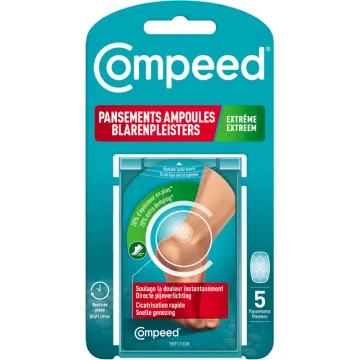
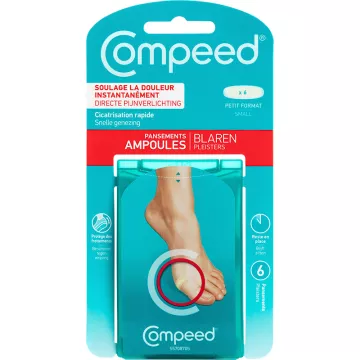
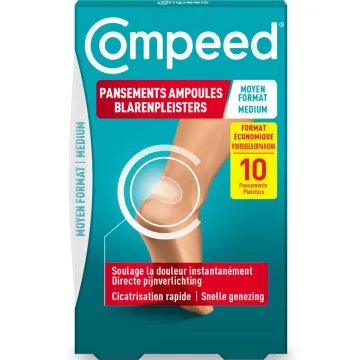
Never remove the overlying skin, even if it is loose. Compeed hydrocolloid dressings maintain a moist environment, absorb exudate, and reduce friction pain—they remain in place for 3 to 7 days. Regular foot care (removal of calluses and thickened skin) reduces the occurrence of recurrent blisters.
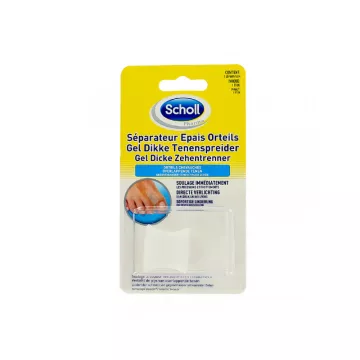
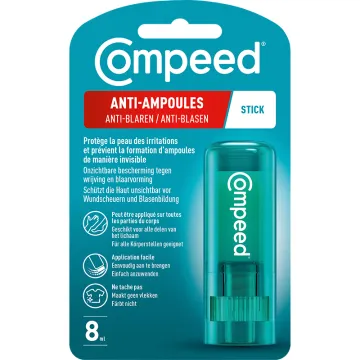
Prevention relies on reducing friction before it causes tissue damage. The Compeed Anti-Blister Stick (8 ml silicone gel) is applied directly to areas prone to friction before putting on shoes—it creates an invisible protective film that reduces the coefficient of friction. Scholl Toe Separators (thick gel) reduce lateral compression and prevent blisters between the toes. Technical socks (moisture-wicking fibers, flat seams) limit moisture and friction for athletes. Treating calluses with a suitable exfoliant reduces friction points—smooth skin glides more easily inside the shoe than thickened skin.
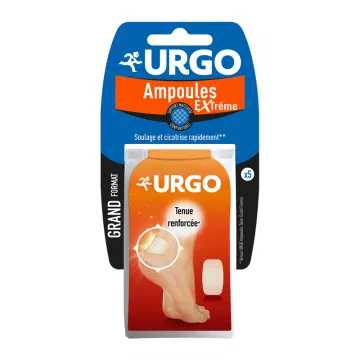
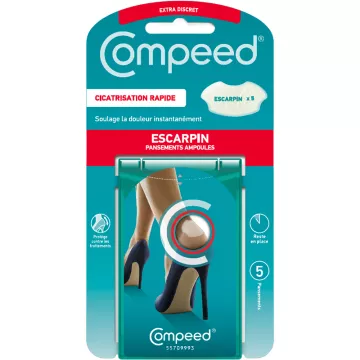
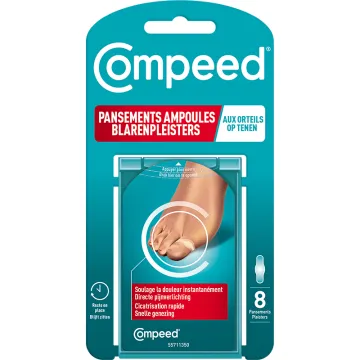
The choice of bandage depends on the location and size of the blister. Compeed Heel Blisters (anatomically shaped like a high-heeled shoe) and Urgo Heel Blisters adhere to the curve of the heel without peeling off at the first step. Compeed Finger & Toe and Urgo Finger & Toe Blisters are designed for areas of pressure on the toes. Compeed Sole Blisters cover blisters under the metatarsals. Urgo Discreet Blister Patches are the most inconspicuous option for wearing with open-toed shoes. For intense sports activities, Urgo Extreme Blister Patches offer superior water resistance and friction resistance. Sports-related impacts and injuries to the fingers (rowers, cyclists) also benefit from the Extreme formula due to its extended hold.
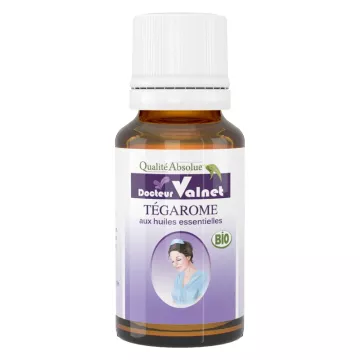
A ruptured blister exposes the dermis—the treatment protocol is: thorough cleaning with soap and water (at least 2 minutes), disinfection with a non-alcoholic antiseptic (chlorhexidine, Biseptine), preserving the overlying skin if possible, and applying a hydrocolloid dressing (Compeed or Urgo) to maintain a moist environment. Dr. Valnet Tegarome’s “Régénère la Peau” (essential oils of spike lavender, niaouli, and geranium in a neutral base) is a healing treatment suitable for clean, ruptured blisters—apply a thin layer under the bandage to accelerate re-epithelialization. Signs of infection (extensive redness, warmth, pus, fever) require a medical consultation.