What are the main causes of foot problems?
Foot problems are the result of factors—often in combination—related to daily life. Among the most common causes are: wearing ill-fitting shoes (too tight, repeated friction), prolonged exposure to moisture (sweat, synthetic socks, shared locker rooms), lack of regular foot care, and prolonged standing. Certain health conditions can also weaken the skin on the feet, particularly diabetes and circulatory disorders (venous insufficiency, arterial disease), which require specific medical monitoring of the feet.
How can you prevent foot damage?
Prevention remains the most effective way to keep your feet comfortable:
- Choose appropriate shoes: they should provide good support for the foot without compressing the toes, with light cushioning and good ventilation.
- Regular moisturizing: Apply a specialized foot cream every evening, especially to the heels and soles, to prevent dryness and the development of cracks.
- Regular care: A regular pedicure, whether at home or by a professional, helps maintain skin suppleness.
- Protection in public settings: wear socks or sandals in locker rooms, swimming pools, and saunas to reduce the risk of fungal infections.
What care is needed for severely damaged feet?
For severely damaged feet, several complementary steps can provide real relief:
- Foot soaks: Use lukewarm (never hot) water with a suitable salt or mild soap. Limit the duration to 10 minutes to avoid further drying out the skin.
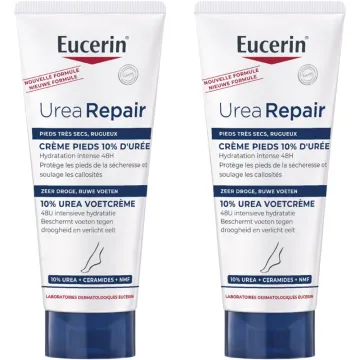
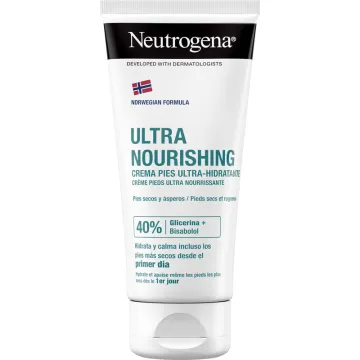
- Nourishing and soothing creams: Formulas combining urea at an appropriate concentration (up to 25% for keratolysis, milder ones for daily moisturizing), glycerin, allantoin, and plant-based butters are particularly effective.
- Gentle exfoliation: Use a pumice stone on slightly damp skin with light strokes, once or twice a week. Avoid using on broken skin.
- Consultation: In case of deep cracks, pain, or signs of infection, consult a podiatrist or doctor. This is always recommended for people with diabetes, as even a minor lesion can progress rapidly in this population.
What daily routine should you follow to care for damaged feet?
A simple daily routine helps restore long-lasting skin comfort:
- Cleaning: Wash your feet every day with lukewarm water and a mild or ultra-moisturizing soap.
- Dry thoroughly: Pay special attention to the areas between the toes, where residual moisture can lead to maceration and fungal infections of the feet.
- Moisturize: Apply a foot-specific cream after drying, avoiding the spaces between the toes.
- Check regularly: Redness, cracks, blisters, and unusual spots should be monitored, especially if you have diabetes or circulatory problems.
- Choose breathable socks: cotton or bamboo, changed daily, to minimize maceration and discomfort.
How to choose foot care products for damaged feet?
To choose the right foot care product for damaged feet, pay attention to the list of ingredients:
- Urea: moisturizing at low concentrations (5–10%), exfoliating and keratolytic at higher concentrations (15–25%) for calloused heels.
- Plant-based oils such as argan oil or coconut oil: they strengthen the hydrolipidic film and provide skin comfort.
- Soothing plant extracts such as aloe vera, chamomile, or calendula: valued for their soothing effect on uncomfortable skin.
- Allantoin, panthenol: to support the comfort of delicate skin.
Choose formulas with a short list of ingredients, minimal fragrance, and packaged in tubes or pump bottles to minimize contamination.
Damaged feet: What signs should prompt you to seek medical advice?
Several signs should prompt you to see a podiatrist or doctor:
- Persistent pain, especially when walking.
- Deep cracks that may bleed or ooze.
- Marked redness, swelling, or localized warmth, which may indicate an infection.
- Spots, changes in skin color, or lesions that are getting worse.
- Persistent itching or flaking between the toes, which may indicate a fungal foot infection.
- Deep or recurringcracks on the heels.
In cases of diabetes or circulatory disorders, any unusual sign (even a minor one) should prompt a prompt medical consultation: For people with diabetes, the risk of complications (ulcers, infections, or even amputation in neglected cases) requires special vigilance, ideally with regular podiatric follow-up, which is covered by insurance in certain situations. In the event of a severe allergic reaction (facial swelling, difficulty breathing suggestive of angioedema), call 15 or 112.
What natural remedies are there for damaged feet?
Several at-home remedies can complement a care routine, though they should not replace medical advice if problems persist:
- Lukewarm foot baths: Use lukewarm water with a suitable salt for a relaxing effect after a day on your feet.
- Homemade nourishing masks made with oats and vegetable oil, valued for their soothing effect on dry skin.
- Tea tree essential oil: known for its purifying properties, it is traditionally used diluted in a vegetable oil. Precautions: not recommended during pregnancy, while breastfeeding, or for children under 7 years of age; may cause skin sensitization. If you suspect a fungal infection, it’s best to consult a doctor rather than self-medicate.
- Apple cider vinegar: traditionally used in diluted foot baths (1 part vinegar to 4 parts lukewarm water), valued for its deodorizing properties. It is not a substitute for medical treatment in cases of infection.
How does the choice of socks affect your feet?
The choice of socks plays an often-underestimated role in foot comfort. Natural materials (cotton, fine wool, bamboo) absorb moisture better than 100% synthetic materials, which reduces maceration and the risk of fungal infections. Changing your socks every day—or even twice a day if you sweat heavily—makes a real difference. Socks that are too tight can restrict blood flow, especially in people prone to heavy legs; conversely, socks that are too loose can cause folds that lead to friction and blisters.
Is it possible to achieve lasting foot comfort?
In the vast majority of cases, damaged feet can regain a good level of comfort through a regular and appropriate care routine. Certain chronic conditions (diabetes, circulatory disorders, skin conditions such as eczema or plantar psoriasis) require long-term medical monitoring, which complements—but does not replace—the skincare routine. Lasting improvement depends on consistent care: daily moisturizing, preventing friction, choosing appropriate shoes and socks, and regular monitoring.
When is the best time to care for damaged feet?
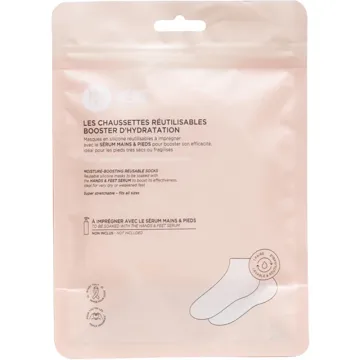
The best time to care for your feet is in the evening, just before bedtime. This allows the skin to benefit from an extended period of absorption, uninterrupted by walking or wearing shoes. Apply a nourishing cream or a rich balm, massage gently to aid absorption, then slip on thin cotton socks to enhance the treatment’s effectiveness overnight. For very calloused heels, exfoliating once a week beforehand—on damp feet—optimizes the effectiveness of your nighttime treatment.