Women’s health issues encompass a wide range of conditions affecting reproductive and hormonal health. Some are a regular part of many women’s daily lives, while others require close medical monitoring. Among the most common are:
Recognizing the warning signs—pelvic pain, menstrual irregularities, mood swings, or sleep disturbances—helps you seek medical care at the right time and obtain an accurate diagnosis.
Hormonal fluctuations mark the stages of a woman’s life: puberty, pregnancy, the postpartum period, and menopause. Each of these stages can be accompanied by very specific symptoms:
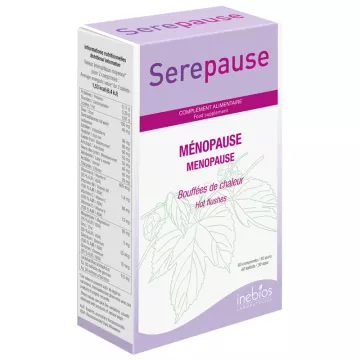
During menopause, the drop in estrogen exacerbates some of these symptoms. Appropriate support, a healthy lifestyle, and sometimes treatment can help you cope better.
Premenstrual syndrome responds well to non-medicinal approaches. Several factors work together synergistically:
These measures are not a substitute for medical advice if symptoms become debilitating, but they significantly improve comfort throughout each cycle.
Endometriosis requires medical treatment, which can be supported by certain complementary approaches. Several non-pharmacological strategies can complement treatment:
These strategies are always intended to complement prescribed treatment, never to replace it. Specialized follow-up care remains essential to adjust treatment and monitor the progression of the disease.
Diet plays a direct role in hormonal regulation and the menstrual cycle. Certain nutrients deserve special attention:
Conversely, ultra-processed and high-sugar foods contribute to imbalances. A varied diet supports a more regular cycle and reduces premenstrual symptoms.
Chronic stress disrupts the hormonal axis and can throw the menstrual cycle out of balance, exacerbate premenstrual syndrome, or contribute to anxiety and sleep disturbances. Learning to manage stress is an integral part of managing women’s health issues:
Some women also find relief in acupuncture, used in traditional Chinese medicine to help with menstrual cramps and hot flashes. These approaches are meant to complement medical care.
Regular checkups allow for the early detection of infections, cervical abnormalities, and gynecological cancers, while monitoring overall hormonal balance. It becomes particularly important in cases of polycystic ovary syndrome, where weight control and management of insulin resistance are key to the condition’s progression. Monitoring also allows for a case-by-case assessment of the benefits of hormone therapy during menopause, after weighing the benefits and risks.
Beyond medical consultations, a consistent healthy lifestyle forms the foundation of long-term women’s health:
These habits, combined with appropriate medical care, help prevent many health issues and allow for prompt intervention in the event of unusual symptoms.