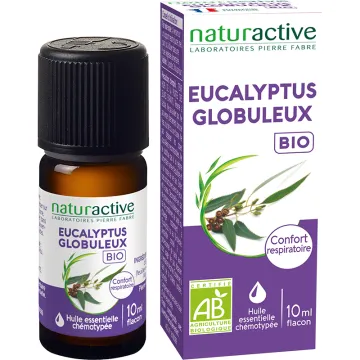
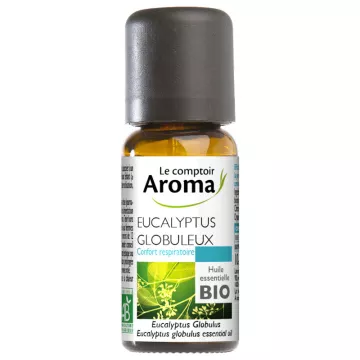
What is Eucalyptus globulus, and who is it suitable for?
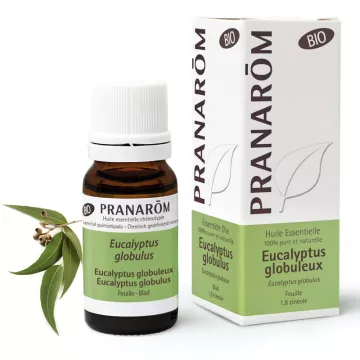
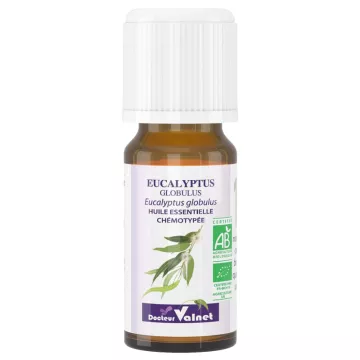
Eucalyptus globulus (Eucalyptus globulus) is the standard eucalyptus in traditional medicine—the one used for winter inhalations and camphor-scented oils. Of all the eucalyptus species used in aromatherapy, it is the richest in cineole and the most effective for the respiratory tract—but it is also the strongest and has the most restrictions regarding age and precautions. For healthy adults with bronchitis or sinusitis that’s just setting in, it’s a very effective oil. For children, people with asthma, or frail seniors, milder varieties ofeucalyptus (such as radiata or smithii) are preferable. Essential oils for respiratory comfort are available in the store.
Why is globulus stronger than other eucalyptus varieties?
All eucalyptus varieties contain cineole, but not in the same proportions or with the same chemical profile.
- Globulus: cineole up to 80–85%—the most concentrated—very effective against thick bronchial secretions and established infections—but irritating to the mucous membranes at high doses
- Radiata: 60–70% cineole + α-terpineol — more versatile, better tolerated, suitable for ages 6 and up
- Smithii: the mildest of the three—the only one sometimes recommended for use in a diffuser starting at age 3
- Versatile winter use for the whole family: the radiata or smithii varieties are better choices than globulus
- Adults with productive bronchitis or chronic sinusitis: globulus is the most suitable—maximum mucolytic and bronchial antiseptic action
How to use Eucalyptus globulus for respiratory comfort?
- Wet inhalation: 3–5 drops in a bowl of hot water—towel over the head—5 to 10 minutes—most effective method for congested sinuses and bronchial tubes—1 to 2 times a day
- Chest massage: 3% dilution in calophyllum or sweet almond oil—apply in the morning to the chest and back—supports bronchial clearance
- Diffusion: 8 to 10 drops — 15 to 20 minutes — purifies the air in the room during periods of infection — winter blend with ravintsara or niaouli
- Treatment course: 7 to 10 days maximum during the acute phase—take a break before resuming
Does Eucalyptus globulus help with muscle pain?
A lesser-known but very real use—the cineole in Eucalyptus globulus has a penetrating effect on the muscles. When applied as a 3–5% massage blend in arnica or St. John’s wort oil, Eucalyptus globulus provides a cool, warming sensation on sore muscles—ideal after intense physical exertion or for winter-related muscle aches. It’s traditionally combined with peppermint for a hot-and-cold effect in sports.
What strict precautions should be followed with Eucalyptus globulus?
- Children under 6 years of age: contraindicated —high concentrations of cineole can cause bronchospasm in young children—use Eucalyptus radiata or smithii instead
- Asthma: Medical advice required —high concentrations of cineole can trigger bronchoconstriction in sensitive asthmatics
- Epilepsy: Not recommended
- Pregnant and breastfeeding women: not recommended
- Never apply undiluted to the skin or near children’s nostrils—dilute to 2–5% for topical use—never apply to the face