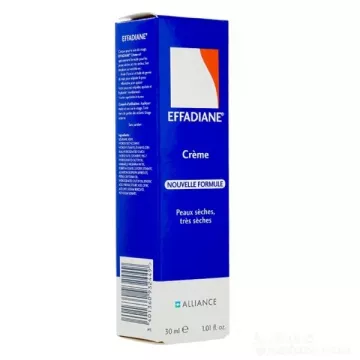
What are the main causes of dry skin?
Several factors can cause dry skin, often in combination:
- Environmental factors: exposure to wind, cold, or a very dry climate.
- Showers or baths that are too hot, which strip the skin of its natural lipids.
- Inappropriate or overly harshskincare products (sulfates, fragrances, alcohol).
- Internal factors: dehydration, aging, or skin conditions such aseczema and psoriasis.
To protect your skin, adopt a suitable skincare routine and avoid products containing irritants such as sulfates or parabens.
Which ingredients are best for hydrating dry skin?
Several moisturizing ingredients have proven effective for dry skin:
- Hyaluronic acid: locks in moisture in the deeper layers of the epidermis.
- Shea butter: rich in lipids, it deeply nourishes the skin.
- Sweet almond oil: soothes and moisturizes even the most uncomfortable skin.
- Glycerin: attracts and locks in moisture on the skin’s surface.
- Ceramides: restore the skin’s natural barrier.
Choose products that combine these active ingredients to maintain optimal hydration morning and night.
How to Choose a Cream for Dry Skin?
To select a cream suitable for dry skin, look for formulas that are:
- Rich in natural oils such as jojoba oil or coconut oil.
- Free of alcohol, fragrance, and artificial colors to minimize irritation.
- Dermatologically tested and suitable for sensitive skin.
- Enriched with vitamins A, C, and E, which strengthen the skin barrier.
Apply your cream daily, morning and night, to see long-lasting results in skin comfort.
What steps can you take to prevent dry skin?
To prevent dry skin, follow these simple yet effective steps:
- Avoid hot water: opt for short, lukewarm showers instead.
- Apply a moisturizer within 3 minutes of showering to lock in moisture.
- Use a humidifier in the winter to maintain optimal humidity levels indoors.
- Drink at least 1.5 liters of water a day to hydrate your skin from the inside.
- Protect your skin from the sun with a suitable sunscreen, even in winter.
These daily habits help maintain your skin’s softness and elasticity over the long term.
Are plant-based oils effective for dry skin?
Yes, plant-based oils are among the best allies for dry skin. Here are a few particularly beneficial options:
- Avocado oil: deeply nourishes thanks to its high content of essential fatty acids.
- Argan oil: soothing and regenerating, ideal for repairing damaged skin.
- Grape seed oil: light and packed with natural antioxidants.
- Borage oil: reduces irritation and improves skin elasticity.
Use these oils on their own, applied to specific areas, or mixed with your moisturizer to boost the benefits.
What diet should you follow to improve dry skin?
Diet directly affects skin health. To combat dryness, include the following in your diet:
- Foods rich in omega-3: salmon, walnuts, and flaxseeds.
- Fruits and vegetables packed with vitamin C: oranges, kiwis, and bell peppers.
- Natural sources of vitamin E: almonds, spinach, and sunflower oil.
- Enough water and herbal teas to support internal hydration.
A balanced and varied diet keeps your skin supple, well-nourished, and more resistant to external stressors.
Does dry skin need an exfoliant?
Yes, butexfoliation for dry skin should be done gently and in moderation. Opt for:
- An enzymatic exfoliator, which dissolves dead skin cells without abrasion.
- A reasonable frequency: once a week is more than enough.
- Products containing moisturizing ingredients to counteract the exfoliating effect.
Exfoliation removes accumulated dead skin cells and improves the absorption of moisturizers applied afterward.
What are some natural remedies for dry skin?
If you prefer natural solutions, here are a few proven options:
- Honey and avocado mask: deeply moisturizes and nourishes the skin.
- Aloe vera: soothing and moisturizing, particularly effective for skin irritations.
- Milk compress: soothes redness and instantly moisturizes the treated area.
- Warm olive oil bath: nourishes dry skin and quickly soothes tightness.
These home remedies are easy to prepare and leave your skin soft and supple after just a few applications.
How do you treat dry areas like elbows and knees?
Rougher areas (elbows, knees, heels) require targeted care:
- Apply a thick layer of rich cream or balm before bedtime.
- Massage with coconut oil or shea butter to help the active ingredients penetrate the skin.
- Gently exfoliate once a week to remove accumulated dead skin cells.
Regular, targeted moisturizing remains the key to long-lasting softness in these areas, which are more prone to dryness.
Are spa treatments recommended for dry skin?
Yes, spa treatments effectively complement your at-home routine. Among the most popular options are:
- Intensive moisturizing treatments combining professional masks and serums.
- Hyaluronic acid treatments for deep and long-lasting hydration.
- Facial massages performed with essential oils suited for sensitive skin.
A professional treatment boosts the benefits of your daily routine and delivers visible results quickly.