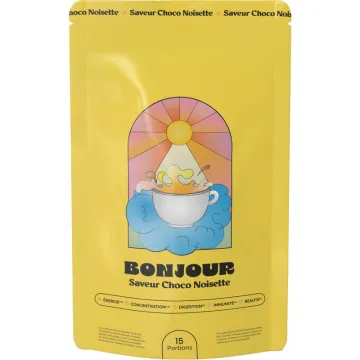
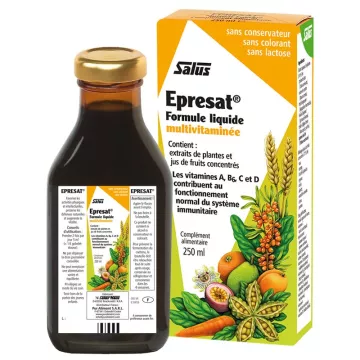
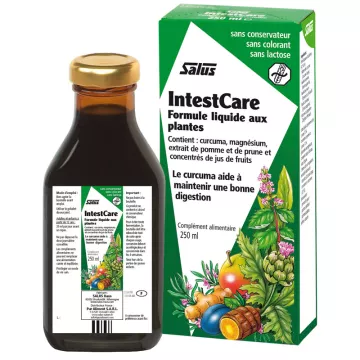
Which beverages are the most beneficial for daily health?
Beyond water—the number one healthy, essential, and calorie-free beverage—several drinks contribute significantly to health through their active ingredients:
- Green tea: rich in EGCG (epigallocatechin gallate), the most extensively studied antioxidant polyphenol in cardiovascular disease prevention. Consuming 3 to 5 cups a day is associated with a 15 to 20% reduction in cardiovascular risk in epidemiological studies. L-theanine modulates the bioavailability of theine, providing cognitive stimulation without the “crash” associated with caffeine alone.
- Kefir and kombucha: fermented beverages rich in live probiotic bacteria that support the balance of the gut microbiome, digestive health, and the mucosal immune response.
- Magnesium-rich mineral waters (Hépar 119 mg/L, Rozana 160 mg/L): a source of bioavailable magnesium with no calories or added sugars.
Is caffeine in beverages beneficial or harmful?
Caffeine is the most well-documented cognitive and physical stimulant. In moderate doses (200 to 400 mg/day, or 2 to 4 cups of coffee), it improves alertness, information processing speed, and physical performance. How it works: It acts as a competitive antagonist at adenosine receptors (a neurotransmitter associated with drowsiness). The risks of excessive consumption (>600 mg/day) are real: anxiety, tachycardia, and sleep disturbances. Energy drinks often combine caffeine, taurine, fast-acting sugars, and guarana in doses that can exceed the tolerance threshold—they should be consumed with caution by adolescents and people with cardiovascular conditions.
Which beverages should you choose to support digestive health?
The beverages with the most research supporting digestive health:
- Probiotic-rich beverages (kefir, kombucha, lacto-fermented vegetable juices): provide live bacterial strains that strengthen the intestinal barrier and reduce dysbiosis associated with antibiotics and chronic stress.
- Turmeric and ginger infusions: Turmeric inhibits NF-kB and COX-2 (pathways involved in intestinal inflammation), while ginger (gingerols) accelerates gastric emptying and reduces nausea. Combining it with black pepper improves the bioavailability of curcumin.
- Hot water with lemon (with organic lemon zest): provides vitamin C and flavonoids and can aid morning digestion. Pure lemon juice applied directly to the skin is phototoxic and contraindicated.
Which drinks should you choose for exercise and recovery?
The choice of sports drink should be tailored to the intensity and duration of the activity:
- Exercise < 60 minutes: Water alone is sufficient for most moderate-intensity activities.
- Exercise lasting 60 to 90 minutes in hot conditions: an isotonic beverage (osmolality 270–330 mOsmol/kg) containing electrolytes (sodium 400–1,100 mg/L, potassium 120–225 mg/L) and carbohydrates (4 to 8 g/100 mL) to maintain blood glucose levels and compensate for sweat losses.
- Exercise lasting > 90 minutes: beverages enriched with mixed carbohydrates (glucose + fructose) that allow for the absorption of up to 90 g of carbohydrates per hour.
- Post-exercise: Magnesium is the first electrolyte to replenish, as significant amounts are lost through sweat during intense exercise. It helps reduce fatigue and supports normal muscle function.
Do sugary drinks pose a health risk?
Sugary drinks (sodas, commercial fruit juices, sugary energy drinks) are one of the main sources of free sugars in the Western diet. The WHO recommends limiting free sugars to less than 10% of total energy intake. Documented risks of excessive consumption:
- Weight gain and obesity: liquid calories do not trigger satiety mechanisms as effectively as solid calories.
- Insulin resistance and type 2 diabetes: Regular consumption of sugary sodas is associated with a 26% increase in the risk of type 2 diabetes in meta-analyses.
- Tooth decay: Fermentable sugars in prolonged contact with tooth enamel promote demineralization.
- Metabolic syndrome and hypertriglyceridemia: Excess fructose (high-fructose corn syrup) is metabolized directly by the liver into triglycerides.
How can you optimize your daily hydration?
An adult’s fluid requirements are 2 to 2.5 liters per day (beverages + water from food), increasing to 3 liters or more during intense physical activity or in hot weather. Practical strategies for optimal hydration:
- Start the day with a large glass of water: this replenishes fluid lost overnight and stimulates intestinal peristalsis.
- Drink before you feel thirsty: the sensation of thirst already signals mild dehydration (0.5 to 1% of body weight).
- Monitor the color of your urine: light straw to pale yellow indicates good hydration; dark yellow signals a fluid deficit.
- Vary your sources: mineral water, unsweetened herbal teas, vegetable broths—to optimize your intake of minerals and electrolytes.