What are the benefits of daily bathing?
Daily cleansing is a cornerstone ofpersonal hygiene. It helps remove sweat, sebum, and product residue, and reduces the microbial load that accumulates throughout the day. When done with gentle products, it promotes skin comfort, superficial skin renewal, and an overall wellness routine. It’s also an important ritual that contributes to a feeling of freshness, relaxation, and social life.
What products should you use for your daily hygiene routine?
For effective daily cleansing, choose products suited to your skin type:
- Mild soaps or superfatted syndets with a neutral or slightly acidic pH, which are gentler on the hydrolipidic film than highly foaming soaps.
- Shower gels free of harsh sulfate surfactants (high-concentration SLS, SLES), especially for dry or reactive skin.
- Specific facial cleansers (foams, gels, milks, micellar waters) depending on your skin type (dry, combination, oily, sensitive).
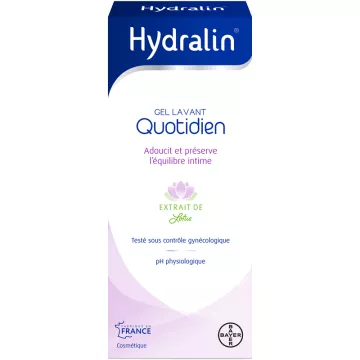
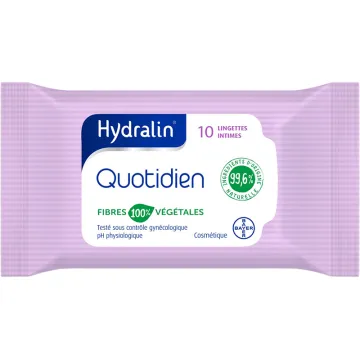
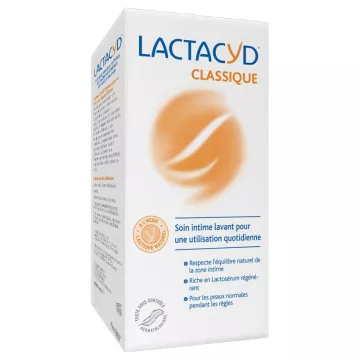
- Intimate care products suited to the pH of the area (generally slightly acidic for external use), to be chosen with care.
Antibacterial soap or regular soap for daily use?
Antibacterial soap contains active ingredients designed to reduce the microbial load on the skin. Its benefits are well-documented in healthcare settings (hospitals, institutional food service) or in situations with a particular risk of infection, but it does not provide a consistent benefit for routine household use. For daily use, a mild soap or syndet is generally sufficient and better preserves the hydrolipidic film. Thorough washing with water and mild soap, lasting 20 to 30 seconds (WHO recommendations forhand hygiene), is effective for routine hygiene.
How many times a day should you wash?
A daily shower or bath is sufficient in most situations. The frequency can be adjusted based on several factors: intense physical activity, a hot and humid climate, high-exposure occupations (health care, food service, manual labor), or an infection. Conversely, washing too frequently with unsuitable products can disrupt the hydrolipidic film. Paying attention to how your skin feels (tightness, dryness) is a good indicator for making adjustments.
Does daily cleansing affect skin health?
Yes, excessive daily cleansing or cleansing with unsuitable products can weaken the skin and disrupt its hydrolipid barrier, leading to tightness, dryness, irritation, or even eczema flare-ups in sensitive skin. Best practices: use lukewarm rather than hot water, gentle products, pat the skin dry, and apply a moisturizer immediately afterward to maintain skin comfort.
What water temperature should you use for daily cleansing?
Lukewarm water (around 32 to 37 °C) is generally recommended. Very hot water breaks down the hydrolipidic film and exacerbates feelings of dryness, particularly in fragile skin. Cold water is still tolerable and invigorating, but less effective at removing certain oily impurities. In the summer or after exercise, a cool shower can be pleasant—as long as it’s kept to a reasonable length to avoid getting too cold.
How can you make your daily hygiene routine more eco-friendly?
There are several simple steps you can take to make your daily hygiene routine more environmentally friendly:
- Choose solid soaps or eco-labeled syndets (Cosmos, Ecocert, European Ecolabel).
- Turn off the faucet while lathering up, and take a shower instead of a bath.
- Limit the amount of product used to what is necessary.
- Choose refillable or returnable packaging whenever possible.
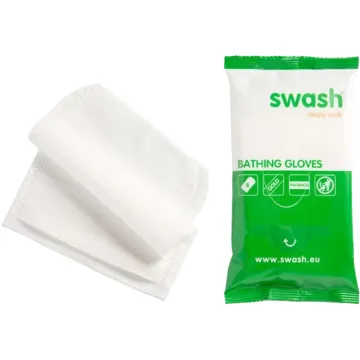
- Opt for washable gloves or wipes instead of disposable ones.
What mistakes should you avoid during your daily hygiene routine?
Several common mistakes can damage the skin:
- Using soap that’s too harsh, which disrupts the skin’s slightly acidic pH (≈ 4.5–5.5).
- Washing with scalding hot water or for very long periods of time.
- Rubbing vigorously instead of patting dry.
- Neglecting skin folds (underarms, groin, between the toes), where moisture buildup can lead to skin discomfort and fungal infections.
- Forgetting to moisturize after showering, especially in winter or if you have sensitive skin.
- Reusing damp towels for long periods: opt for a clean, thoroughly dried towel between uses.
Daily Hygiene: What Routine Is Best for Sensitive Skin?
For sensitive skin, daily cleansing requires a few precautions:
- Choose gentle cleansers without heavy fragrances, formulated under dermatological supervision.
- Limit shower time and keep the water temperature lukewarm.
- Pat dry with a soft towel—do not rub.
- Apply a suitable emollient immediately afterward to strengthen the hydrolipidic film.
- Perform a patch test on the inner elbow 24 to 48 hours before using any new product.
- In case of an inflammatory flare-up (widespread redness, severe itching, oozing lesions), consult a dermatologist. Topical corticosteroids, prescribed by a doctor, should be used strictly according to the doctor’s instructions.
What complementary products should be used after daily cleansing?
After washing or bathing,moisturizing remains a key step:
- On the face, apply a cream suited to your skin type, followed by sunscreen in the morning (SPF 30 or 50).
- On the body, choose a body lotion, cream, or oil depending on your current needs.
- On areas subject to heavy wear (hands, feet, elbows, knees), a nourishing balm is often helpful, especially in winter.
- For atopic or very dry skin, appropriate emollient products form the basis of daily skincare.