A cold refers to the set of acute ENT symptoms triggered by a viral infection of the upper respiratory tract. It progresses through three phases: prodromal (Days 1–2, dry nose, mild throat irritation, chills); acute inflammatory (Days 3–5, nasal congestion, runny nose, cough, mild fever < 38.5°C), and resolution (Days 6–10, gradual decrease in symptoms). Without complications, recovery occurs spontaneously within 7 to 10 days. Regular temperature monitoring (using a non-contact infrared thermometer) allows for tracking the course of the illness and early detection of a secondary bacterial infection—a fever persisting above 38.5°C after Day 3 requires medical reevaluation. In the event of a cold in frail individuals, the risk of prolongedpost-infectious asthenia warrants special attention during the recovery phase.
A sore throat caused by a cold results from inflammation of the pharyngeal mucous membranes. Gargling with warm salt water (1 g/100 ml) reduces mucosal swelling through osmosis and eliminates viruses from the oropharyngeal mucous membranes. Propolis, whether in spray form or as lozenges (honey + eucalyptus), has a local antiseptic and analgesic effect. For a runny nose, nasal irrigation with isotonic seawater (2–3 times a day) remains the best-documented method for reducing the duration of nasal congestion and preventing secondary sinus infections.
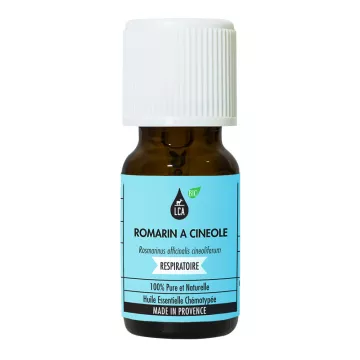
Two complementary essential oils for treating colds. Rosemary with cineole (1,8-cineole ≥ 40%) is mucolytic—it thins bronchial secretions and stimulates the respiratory mucosa. When used in steam inhalation (2–3 drops in a bowl of hot water, 5–10 minutes, twice daily) or via diffusion, it is the standard aromatherapy treatment for colds with congestion. A cold-related cough, particularly in young children, may require age-appropriate approaches—a child’s cough requires specific formulations without eucalyptus for children under 3 years of age. Niaouli (Melaleuca quinquenervia ct cineole) stimulates the production of secretory IgA, strengthens mucosal defenses, and exerts direct antiviral activity—when applied topically as a 5% dilution to the chest, 2 to 3 times a day.
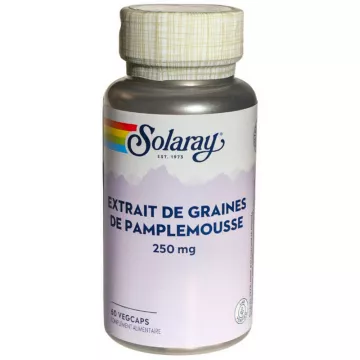
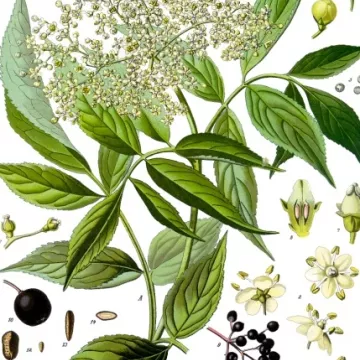
Elderflower (Sambucus nigra flos, distinct from the berries) is used as a herbal tea (3 cups per day) for its sudorific properties, which facilitate a beneficial reactive fever and promote the elimination of viral toxins. Grapefruit seed extract (GSE, naringin + bioflavonoids) is a natural broad-spectrum antiseptic effective against opportunistic bacteria that can cause secondary infections in weakened mucous membranes—a short course of 5 to 10 days. Blackcurrant (buds or berries, anthocyanins + gamma-linolenic acid) combines immune support with a mild anti-inflammatory effect on the mucous membranes—use as a complementary treatment at the onset of a cold.
Fever is a beneficial physiological immune response—a mild fever (37.8–38.5°C) does not require antipyretic treatment in healthy adults and children, but requires increased fluid intake (an additional 0.5 L per degree above 37°C). Medical consultation is necessary if: fever > 39°C in an adult, > 38.5°C in an infant < 3 mois, fièvre persistant > s for 3 days, recurrence after 48 hours of fever-free time (a sign of bacterial superinfection), or a fever accompanied by neck stiffness or difficulty breathing. The most common complications of a cold areotitis media and sinusitis—which should be suspected if ear pain or sinus pain develops starting on days 4–5.
Recovery from a cold follows the same principles as post-infectious recovery in general—the respiratory mucous membranes remain compromised for 2 to 3 weeks after clinical recovery, increasing susceptibility to a second episode. Three measures reduce this risk: a gradual resumption of physical activity (avoid intense exertion for 10 days), targeted nutritional support (500 mg of vitamin C per day, zinc 15 mg/day, probiotics to restore the nasal microbiota), and temporarily avoiding environments with a high risk of re-exposure (crowded public transportation, poorly ventilated rooms). Elderflower tea and warming blends (ginger, cinnamon) provide gentle support during the recovery phase. A new sore throat that appears within 3 weeks of a cold warrants a doctor’s visit to rule out bacterial strep throat.