Post-infectious asthenia encompasses several distinct clinical presentations depending on the pathogen. Post-influenza fatigue (2 to 6 weeks after the acute episode) is the most common. Post-EBV (mononucleosis) fatigue can last several months. Long COVID (fatigue lasting more than 12 weeks after SARS-CoV-2 infection) has been recognized by the WHO since 2021—it affects 10 to 15% of patients, causing fatigue, brain fog, and post-exertional malaise. Post-antibiotic asthenia is linked to induced gut dysbiosis—with fatigue, digestive disorders, and functional immune deficiency. Each context calls for different active ingredients.
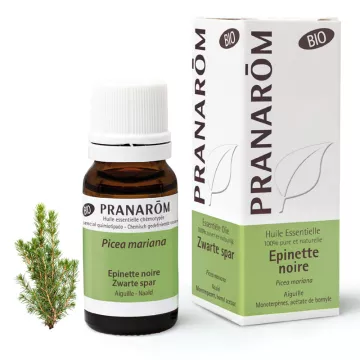
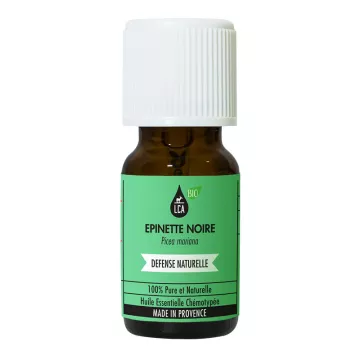
Black spruce essential oil (Picea mariana, bornyl acetate ≥ 35%) stimulates the synthesis of adrenal corticosteroids through its cortisol-like action, compensating for post-infectious functional adrenal exhaustion. When applied topically to the thoracic and lumbar regions (3 to 5 diluted drops, 2 to 3 times a day), its tonic effect has been documented in cases of mild post-flu and post-COVID asthenia.Arginine (L-arginine, 1–3 g/day) is a precursor to nitric oxide (NO), a mediator of capillary vasodilation—it improves microcirculation and tissue perfusion during the post-infectious recovery phase.
After a severe infection, the immune system may remain partially compromised for several weeks (“immune exhaustion”). Vitamin D3 (2,000–4,000 IU/day) reactivates helper T cells and stimulates the synthesis of antimicrobial peptides. Zinc (15–30 mg/day) accelerates epithelial repair of damaged respiratory mucosa and restores thymic function—particularly important in post-influenza and post-COVID asthenia.
Post-antibiotic intestinal dysbiosis disrupts the production of B vitamins and short-chain fatty acids (which provide energy to colonocytes) and disrupts the gut-brain axis—leading to fatigue, brain fog, and low mood. Probiotics (Lactobacillus rhamnosus GG + Saccharomyces boulardii + Bifidobacterium lactis, 10 billion CFU/day for 4 to 6 weeks) restore the diversity of the microbiota. Multibiane (Pileje) combines multivitamins and probiotics in a formula specifically designed for post-antibiotic recovery.
Astragalus (astragaloside IV) stimulates IL-2 production, activates NK cells and cytotoxic T lymphocytes, and has direct antiviral activity. A 3- to 6-month course of treatment is particularly recommended for long COVID and persistent post-EBV asthenia. Selenium (100–200 µg/day) is a cofactor for glutathione peroxidase—which protects immune cells from residual oxidative stress—and for thioredoxin reductase, which is involved in the reactivation of exhausted T cells.
Long COVID and post-EBV asthenia share a common pathophysiology—persistent low-grade inflammation, autonomic dysfunction, and immune exhaustion. The recovery strategy must necessarily include energy management (pacing—not exceeding one’s anaerobic threshold to avoid post-exercise malaise), anti-inflammatory supplementation (omega-3 EPA/DHA + curcumin + quercetin), mitochondrial restoration (CoQ10 ubiquinol + L-carnitine + magnesium), and gentle immunomodulation (astragalus + selenium + vitamin D3). Any suspected case of long COVID must be evaluated by a specialist—dedicated units have been available at French university hospitals since 2021 to provide personalized care.