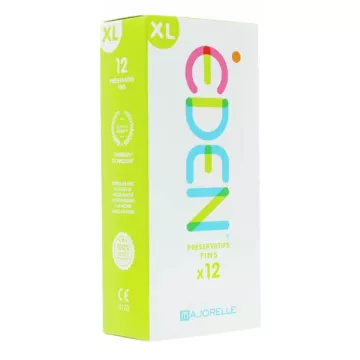
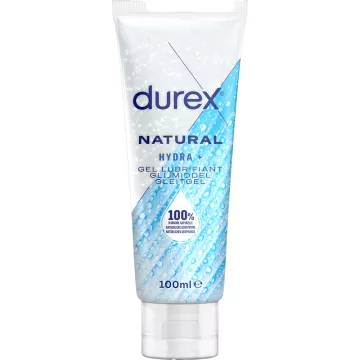
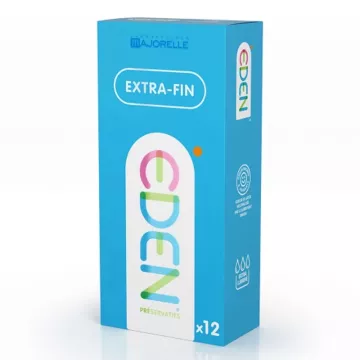
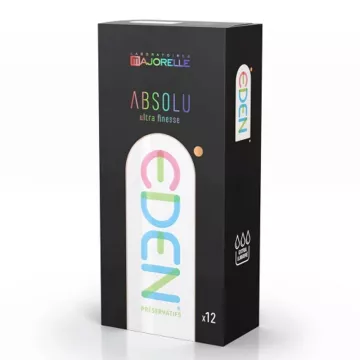
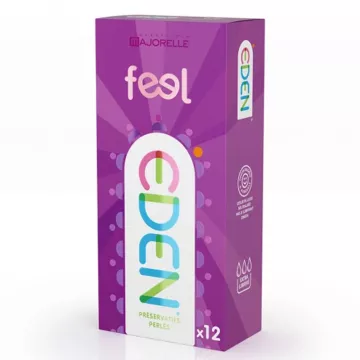
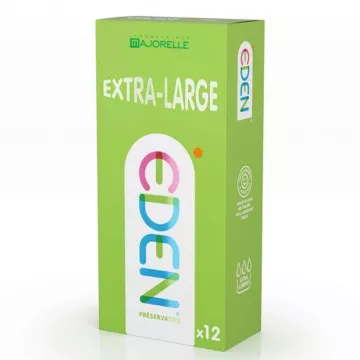
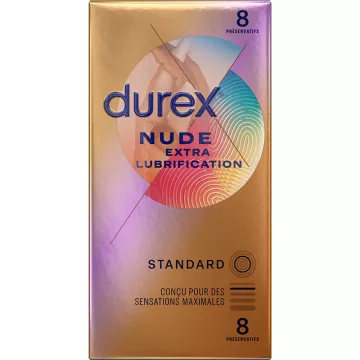
The condom is the only contraceptive method that offers dual protection against pregnancy and STIs. Selection criteria:
Even when using a condom, post-intercourse hygiene care for the genital mucous membranes is important.Tea tree essential oil (Melaleuca alternifolia) is one of the best-documented oils for its antibacterial and antifungal properties against genital pathogens. Its terpinene-4-ol disrupts the cell membranes of Gardnerella vaginalis, Candida albicans, and Staphylococcus. Randomized clinical trials confirm its effectiveness at 0.5–1% against bacterial vaginosis. Usage: always diluted (0.5–1% in a hydrosol)—never apply undiluted to the genital mucous membranes.
Less well-known but very useful, niaouli essential oil (Melaleuca quinquenervia, ct 1.8-cineole) has a profile that complements that of tea tree oil. Its 1,8-cineole stimulates phagocytosis by submucosal macrophages and induces the production of antimicrobial peptides. Its mucosal tolerance is higher than that of tea tree oil when applied topically in diluted form—historically used in French gynecology at concentrations of 0.5–2% in compounded preparations.
Rich in flavonoids (naringenin, hesperetin) and phenolic acids,grapefruit seed extract (GSE) exhibits broad-spectrum antibacterial activity against common genital pathogens (uropathogenic E. coli, Candida, Gardnerella). Frequently used in natural intimate care products at concentrations of 1–3%, it is more compatible with the vaginal Lactobacillus microbiota than conventional antiseptics at typical doses.
The integrity of the genital epithelium is the first line of defense against STIs. Two nutritional ingredients documented to support its maintenance:
Some people experience mild mucosal irritation related to condom additives (spermicide, lubricant, preservatives) or a low-level contact reaction to latex. Gentle and well-tolerated,cornflower hydrosol (Centaurea cyanus) has local anti-inflammatory and anti-edematous effects thanks to its anthocyanins. Its pH (4.5 to 5.5) is compatible with the physiological vaginal pH and does not disrupt the microbiome. Usage: Gentle external cleansing after intercourse, diluted if necessary.