Which condiments have documented health benefits?
Beyond their role in enhancing flavor, certain condiments contain phytochemicals with documented health benefits:
- Turmeric: curcuminoids with anti-inflammatory (inhibition of NF-kB and COX-2) and antioxidant properties. Combining it with black pepper (piperine, which increases bioavailability by 2,000%) is essential for measurable effects. The dietary supplement form (standardized extract) is more effective than culinary turmeric powder for therapeutic use.
- Ginger: gingerols and shogaols have a documented antiemetic effect and accelerate gastric emptying. Useful for treating morning sickness, motion sickness, and stomachaches.
- Mustard: rich in glucosinolates (sulforaphane), sulfur-containing compounds with documented anti-inflammatory properties.
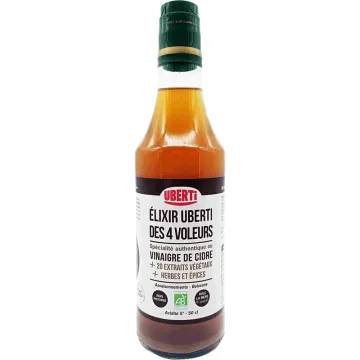
- Unpasteurized apple cider vinegar: contains the “mother of vinegar” (Acetobacter), which has prebiotic properties and a modestly documented effect on blood sugar levels.
Do fermented condiments improve gut health?
Fermented condiments (kimchi, sauerkraut, miso, lactic-fermented pickles) are rich in live probiotic bacteria that support the gut microbiota. Their benefits for digestive comfort are well documented:
- Strengthening the gut barrier and reducing intestinal permeability.
- Modulation of the mucosal immune response through stimulation of dendritic cells and secretory IgA.
- Reduction of irritable bowel syndrome symptoms, according to several clinical trials.
Combining it with probiotics as a dietary supplement may enhance this effect, particularly after antibiotic treatment or in cases of chronic microbiota imbalance.
Should we be concerned about the sodium content of condiments?
Yes—the sodium content of many processed condiments is high. One tablespoon of soy sauce contains about 900 mg of sodium, which is 40% of the recommended daily intake (WHO RDI: < 5 g of salt/day). Excess sodium contributes to high blood pressure, a major cardiovascular risk factor. potassium partially counteracts the blood-pressure-raising effects of sodium by promoting its excretion in urine: fermented condiments (kimchi, sauerkraut) naturally provide potassium that offsets their salt content. Low-sodium versions or homemade condiments allow for better control of these intakes.
Which spices in condiments have antioxidant properties?
Spices have the highest concentrations of antioxidants of any food. Their documented effects:
- Cinnamon: improves insulin sensitivity and may lower postprandial blood glucose levels (0.5 to 2 g/day according to clinical trials).
- Garlic: Its allicin compounds have documented antibacterial, antifungal, and cardiovascular properties (slight reduction in blood pressure).
- Chili pepper (capsaicin): a topical analgesic, thermogenic, and potentially anti-obesity agent through activation of TRPV1 receptors.
- Turmeric: The best bioavailability-to-efficacy ratio is found in standardized dietary supplements combined with piperine.
Can spices support digestive health?
Several traditional condiments contain components that support digestive health:
- Spices rich in fermentable fiber (sauerkraut, kimchi): Fermentation partially pre-digests the fiber, making it more accessible to colon bacteria while preserving its bulk-forming effect.
- Ginger: accelerates gastrointestinal transit by stimulating peristaltic contractions. Useful for functional constipation and mild gastroparesis.
- Apple cider vinegar: The organic acids stimulate the production of gastric hydrochloric acid, improving protein digestion and mineral absorption.
Which condiments should you choose for an anti-inflammatory diet?
An anti-inflammatory diet can include several condiments that are nutrient-dense:
- Turmeric + black pepper: the best-documented anti-inflammatory duo, perfect for adding to golden milk, curries, and marinades.
- Miso (fermented soybean paste): rich in isoflavones, probiotics, and zinc, with documented anti-inflammatory properties.
- Tahini (sesame paste): rich in sesaminol (an antioxidant lignan), calcium, and monounsaturated fatty acids.
- Pesto made with extra-virgin olive oil: a source of polyphenols (oleocanthal) with anti-inflammatory properties comparable to ibuprofen at low doses, according to biochemical studies.