Cloves or clove essential oil: What’s the difference in practice?
Cloves are the dried flower buds of the clove tree (Syzygium aromaticum). In drugstores, they come in two very different forms depending on their intended use.
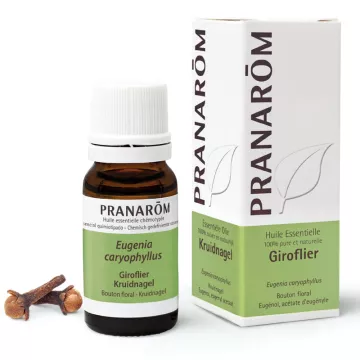
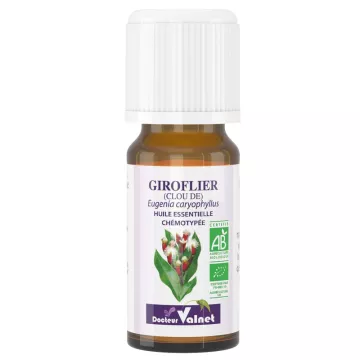
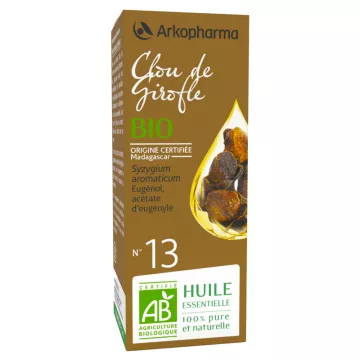
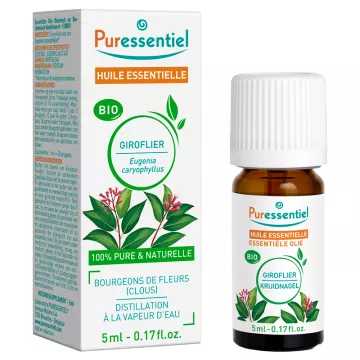
Whole or powdered cloves for herbal tea and oral use are the most accessible and safest form—they contain eugenol but in a diluted form, without the risks associated with concentrated essential oil. Clove essential oil, on the other hand, contains 70–90% pure eugenol—a dermocaustic, potent substance strictly reserved for adults and to be used with caution. For everything related to essential oil, see our clove page.
Why are cloves the natural gold standard for oral hygiene?
This is their oldest—and most well-documented—use. Eugenol from cloves has been the standard active ingredient for oral antiseptics in dentistry for centuries: it is still found in professional dental cements and gum care products.
- Whole clove for topical application: Gently chew 1 clove or hold it against the sore gum—provides temporary relief while waiting for a dental appointment—does not replace professional dental care
- Infusion as a mouthwash: 3–4 cloves in 250 mL of boiling water, steep for 15 minutes, then let cool—gargle for 30 seconds morning and evening—to cleanse the oral cavity and support gum health
- Supportsfresh breath: clove infusion after meals—eugenol neutralizes the sulfur compounds responsible for bad odors
How to use cloves for digestive comfort?
Less well-known than their oral use but well-documented in traditional herbal medicine.
- Digestive herbal tea: 2–3 cloves in 250 mL of water at 90°C, steep covered for 10 minutes — warm and slightly numbing flavor — drink after a heavy meal to relieve bloating and heaviness
- Warming digestive blend: cloves + cinnamon + ginger —the “cold-resistant stomach” trio for slow digestion in winter
- Clove mother tincture: available at pharmacies—use under supervision for persistent functional digestive disorders—consult a pharmacist
What are some other uses for cloves in over-the-counter products?
Beyond oral and digestive uses, cloves have a place in a few complementary applications.
- Winter support through gentle diffusion: a few cloves in a bowl of hot water (not essential oil directly) — the eugenol vapors gently purify the air — combine with cinnamon and sweet orange for a comforting “mulled wine” blend
- Herbal tea to support winterimmunity: cloves + ravintsara in a herbal infusion—a traditional blend for the first weeks of winter
What precautions should be taken with cloves?
- As a herbal tea or for oral use: well tolerated by adults—avoid excessive use if you have an ulcer or gastroesophageal reflux (eugenol stimulates gastric secretions)
- Allergy to eugenol: possible—test before extensive oral use (redness, burning = discontinue)
- Pregnant women: Occasional, mild herbal tea is tolerated; concentrated extracts only under medical supervision
- Children: very mild herbal tea only after consulting a pediatrician—never use essential oils or apply cloves directly to the gums of young children
- Anticoagulants: Eugenol may enhance their effect—inform your doctor
- Persistent toothaches: Cloves provide temporary relief—see a dentist immediately