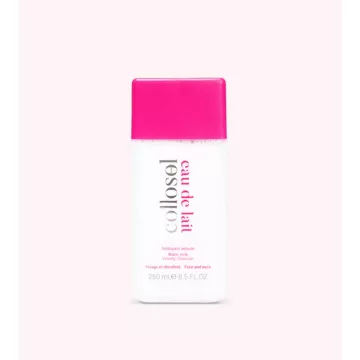
The use of cleansing solutions can occasionally cause side effects, especially if the product isn’t suitable for your skin type or if you use it excessively.
Common side effects include dry skin, redness, tightness, localized irritation, and, more rarely, allergic reactions.
To minimize these risks, choose a product suited to your skin type, follow the manufacturer’s instructions, and perform a patch test on the inside of your elbow 48 hours before first use.
If you experience a persistent or severe reaction, stop using the product and consult a dermatologist; if you have sensitive skin, also check out our sensitive skin section.
Some cleansers are formulated for versatile use on both the face and body, but caution is still advised.
Read the manufacturer’s instructions carefully: formulas designed for the face may not be effective enough on areas of the body that are more exposed to sweat or friction.
Conversely, cleansers formulated for the body may contain too high a concentration of surfactants for the thinner, more delicate skin on the face.
Always check the usage instructions and tailor your choice to the specific needs of each skin area.
Cleansing solutions play a fundamental role in preparing the skin to receive subsequent skincare products.
By removing impurities and residue, they enhance the absorption and effectiveness of the products applied afterward: toners, targeted serums, moisturizers, or specific treatments.
Opt for complementary products from the same line or those formulated to work together to optimize the synergy between active ingredients.
For a complete routine, browse our facial cleansers section and choose products based on your skin type.
Many cleansers formulated with organic or natural ingredients offer effectiveness comparable to their conventional counterparts.
These products often rely on plant extracts, hydrosols, and cleansing agents derived from natural raw materials (coco-glucoside, decyl-glucoside).
They are particularly appealing to people looking to limit their exposure to synthetic ingredients without compromising on skincare results.
Check for certifications (Ecocert, COSMOS, Cosmébio) that attest to compliance with rigorous standards regarding composition and skin tolerance.
Proper storage of a cleanser is key to its effectiveness and long-term stability.
Store the product in a cool, dry place, away from direct sunlight and sudden temperature changes.
Close the container tightly after each use to prevent microbial contamination and the gradual degradation of the active ingredients.
Follow the “use by” date (PAO) indicated on the packaging (usually 6 to 12 months) and any specific instructions provided by the manufacturer.
A cleansing solution is a cosmetic product formulated to remove impurities, sebum, makeup, and dead skin cells that have accumulated on the skin’s surface.
Regular use helps keep skin visibly clean, prevents clogged pores, and reduces the appearance of blemishes.
The main benefits fall into three complementary categories:
Choosing the right cleanser depends mainly on your skin type and its needs:
Always test the product on a small area before using it more extensively, and monitor your skin’s reaction for 48 hours.
The ideal frequency for using a cleanser depends on your skin type and environment.
For most skin types, using it twice daily (morning and evening) effectively removes daytime impurities and nighttime residue.
Those with sensitive or dry skin may find it sufficient to cleanse only in the evening, with a simple rinse with lukewarm water in the morning.
For oily skin exposed to a polluted urban environment, twice-daily cleansing is still recommended; adjust based on your skin’s signals (tightness, shine, discomfort).
Some cleansers include makeup-removing properties, which are useful for light, everyday makeup.
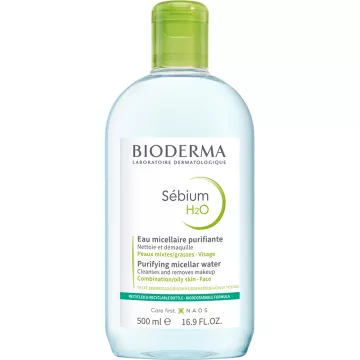
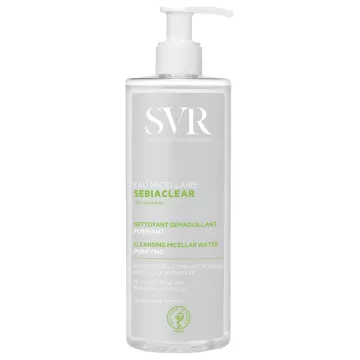
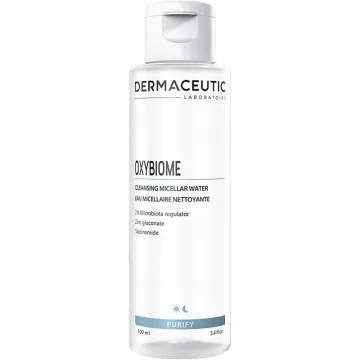
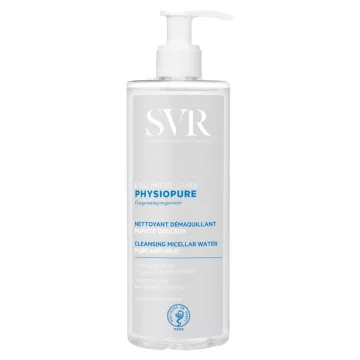
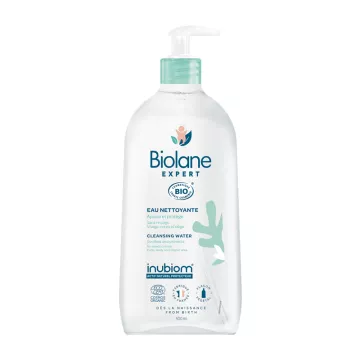
For waterproof or long-lasting makeup, micellar water and two-phase makeup removers are more effective; browse our micellar water and makeup remover sections.
Avoid rubbing the delicate skin around your eyes too hard to prevent irritation.
Make sure the formula you choose is explicitly labeled foruse on the entire face, or intended for specific areas only.
Several well-known active ingredients are commonly found in high-quality cleansers:
Salicylic acid is not recommended for pregnant or breastfeeding women; if you havemoderate to severe acne, consult a dermatologist to adjust your skincare routine to accommodate any medical treatment.