What is cellular protection, and why is it essential?
Cellular protection refers to the set of mechanisms that protect cells from damage caused by free radicals and oxidative stress. Free radicals are unstable molecules produced naturally by cellular metabolism, but they are also generated in excess by pollution, tobacco, UV radiation, chronic stress, an unbalanced diet, and inflammation. When their production exceeds the body’s antioxidant capacity, a state of oxidative stress sets in—which is linked to accelerated aging, cardiovascular disease, cancer, and neurodegenerative diseases. Discover our range of natural antioxidants, our vitamin C formulas, and our vitamin E supplements.
- Free radicals and reactive oxygen species (ROS): superoxide (O₂•⁻) — hydrogen peroxide (H₂O₂) — hydroxyl radical (OH•, the most destructive) — nitric peroxide — these molecules attack membrane lipids (lipid peroxidation), proteins (carbonylation, glycation), and DNA (breaks, mutations) → accelerated cellular aging
- Endogenous antioxidant systems: superoxide dismutase (SOD, cofactors: zinc, copper, and manganese) — catalase (breaks down H₂O₂ into water + oxygen) — glutathione peroxidase (GPx, selenium cofactor) — thioredoxin reductase (selenium) — reduced glutathione (GSH) — CoQ10 (in the mitochondria) — these enzymes are directly dependent on micronutrient intake
- Factors that increase oxidative stress: tobacco (thousands of pro-oxidant compounds per puff) — alcohol — air pollution (PM2.5, ozone) — excessive UV exposure — chronic inflammation — intense exercise without recovery — chronic diseases (diabetes, obesity, cardiovascular disease) — psychological stress (cortisol → mitochondrial ROS)
- Biological markers of oxidative stress: 8-OHdG (DNA damage) — MDA (malondialdehyde — lipid peroxidation) — urinary isoprostanes — carbonylated proteins — total glutathione — tests available at laboratories specializing in functional medicine
- Antioxidant/free radical balance: the goal is not to eliminate all free radicals (some are beneficial for immunity and cellular signaling) but to maintain a favorable balance—excessive antioxidant supplementation can paradoxically inhibit beneficial processes (adaptive response to exercise)
Antioxidant Vitamins and Cellular Protection
- Vitamin C (acerola): a major water-soluble antioxidant—protects intracellular and plasma aqueous compartments—directly neutralizes ROS and regenerates oxidized vitamin E—stimulates glutathione synthesis — 500–1,000 mg/day for prevention — acerola provides vitamin C along with its natural bioflavonoids (hesperidin, rutin) for a synergistic effect
- Vitamin E (tocopherols): the standard fat-soluble antioxidant — protects cell membranes and LDL lipoproteins against lipid peroxidation — 8 natural forms (α, β, γ, δ-tocopherol + tocotrienols) — γ-tocopherol is the most effective against nitrogen-containing ROS — 15–30 mg/day in natural form (d-α-tocopherol + mixed tocopherols) — explore our vitamin E formulas
- Vitamin D3: Beyond Its Role in Immune Function — activates antioxidant defense genes via VDR receptors — reduces markers of oxidative stress — 1,000–2,000 IU/day from October through March
- Beta-carotene and carotenoids: precursors of vitamin A — singlet oxygen (¹O₂, produced by UV rays) scavengers — lycopene (cooked tomatoes) — lutein + zeaxanthin (macular protection) — astaxanthin (the most potent carotenoid: 6,000× more potent as an antioxidant than vitamin C in vitro) — dietary sources are preferred over supplementation with isolated beta-carotene
- Synergy of antioxidant vitamins: C + E + beta-carotene + selenium = complementary antioxidant network — vitamin C regenerates oxidized vitamin E — selenium activates GPx, which regenerates glutathione — zinc supports SOD — each antioxidant protects a different cellular compartment
Specialized antioxidants and mitochondrial protection
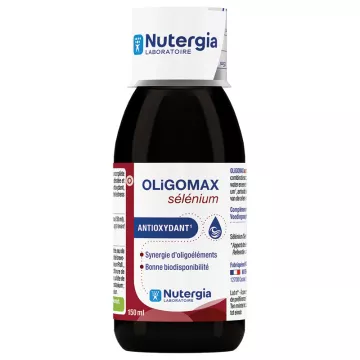
- Selenium: cofactor for glutathione peroxidases (GPx1–4) — GPx4 specifically protects cell membranes against ferroptosis (cell death caused by iron-induced lipid peroxidation) — thioredoxin reductase (TrxR) — selenoprotein P (selenium transport + vascular protection) — selenomethionine 100–200 µg/day
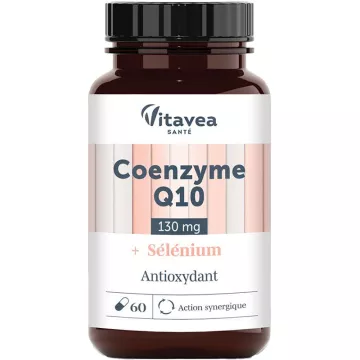
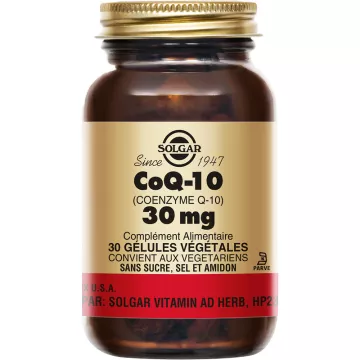
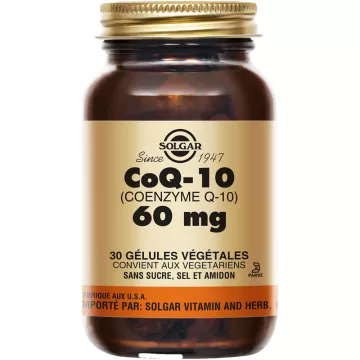
- CoQ10 (ubiquinone/ubiquinol): the gold standard mitochondrial antioxidant — a component of the mitochondrial respiratory chain (ATP production) + a scavenger of mitochondrial ROS — ubiquinol (the reduced form) is better absorbed (3–4× higher bioavailability than ubiquinone) — 100–300 mg/day — endogenous production decreases with age (peaks at age 25, –50% by age 65) and with statin use (which blocks CoQ10 synthesis)
- Glutathione (GSH): intracellular “master antioxidant” — tripeptide (glycine + cysteine + glutamate) — hepatic detoxification of xenobiotics + regeneration of other antioxidants (vitamins C and E) — supplementation with liposomal L-glutathione or N-acetylcysteine (NAC, the most readily absorbed precursor) — production increased by: NAC + lipoic acid + vitamin C
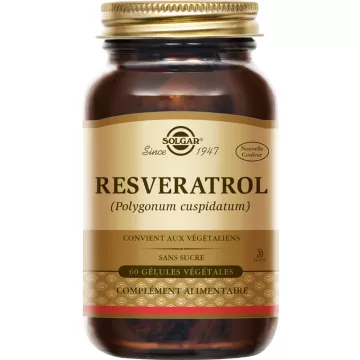
- Resveratrol: a polyphenol found in red grapes — activates sirtuins (SIRT1 — longevity proteins) + inhibits NF-κB (inflammation) + activates Nrf2 (endogenous antioxidant genes) — low bioavailability (< 1% when taken orally) → prioritize trans-resveratrol and formulations containing piperine or micronized resveratrol — 100–500 mg/day
- Alpha-lipoic acid: universal antioxidant (water-soluble + fat-soluble) — crosses the blood-brain barrier — regenerates glutathione, vitamin C, and vitamin E — cofactor for mitochondrial enzyme complexes — 300–600 mg/day — particularly useful in diabetic neuropathy (neural antioxidant)
Antioxidant-rich diet, lifestyle, and synergy
- High-antioxidant-density diet: foods richest in antioxidants according to the ORAC score — spices (cloves, cinnamon, turmeric, oregano) — red berries (blueberries, blackberries, pomegranates, acai) — dark green vegetables (kale, broccoli, spinach) — dark chocolate > 85% (flavanols) — green tea (EGCG — epigallocatechin gallate) — extra-virgin olive oil (hydroxytyrosol)
- Omega-3 EPA and DHA: reduce chronic inflammation (the main source of excess ROS) + protect cell membranes from peroxidation — 1–2 g EPA+DHA/day — combine with vitamin E to prevent oxidation of polyunsaturated fatty acids in supplements
- Zinc: cofactor for Cu/Zn-SOD (superoxide dismutase) and metallothionein (an antioxidant protein that chelates heavy metals) — protects the thiol groups of proteins — 10–15 mg/day — visit our dedicated page
- Activation of Nrf2 (Nuclear factor erythroid 2-related factor 2): the body’s “antioxidant thermostat” — activates more than 200 genes involved in antioxidant defense and detoxification — activated by: sulforaphane (broccoli, cabbage), resveratrol, curcumin, EGCG, lipoic acid, intermittent fasting, physical exercise — a sustainable cellular protection strategy vs. supplementation with isolated antioxidants
- Limit sources of oxidative stress: quit smoking (the first step in cellular protection) — sun protection (UV rays = major generators of skin ROS) — reducing alcohol intake — regular moderate physical activity (optimizes endogenous antioxidant defenses) — stress management (cortisol → mitochondrial ROS) — check out our immunity formulas