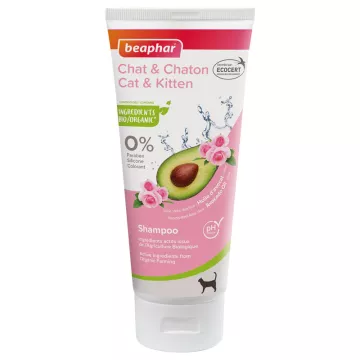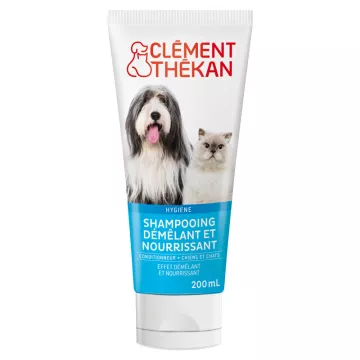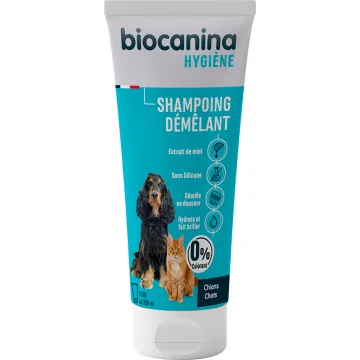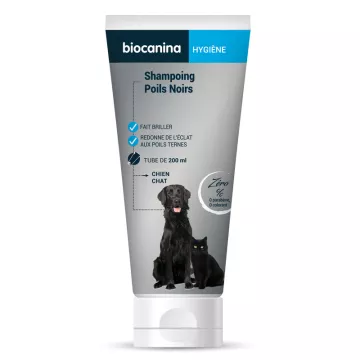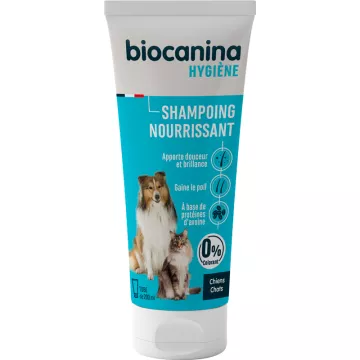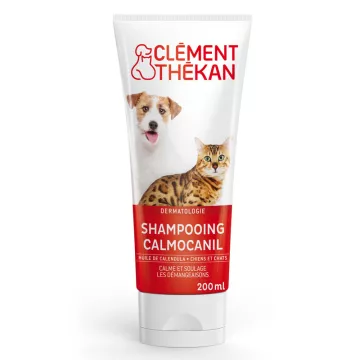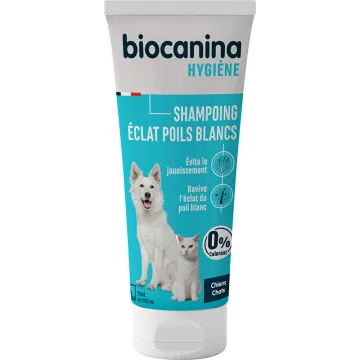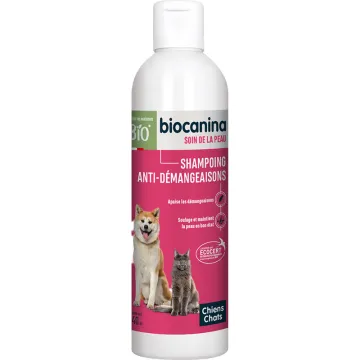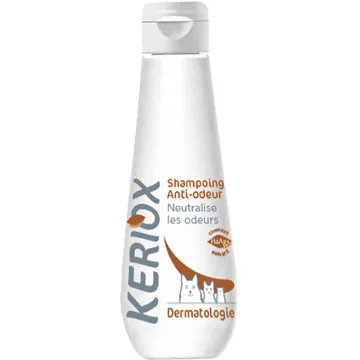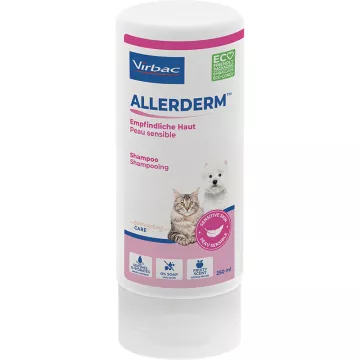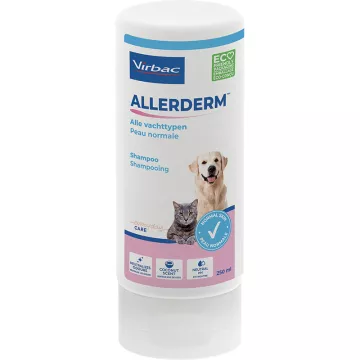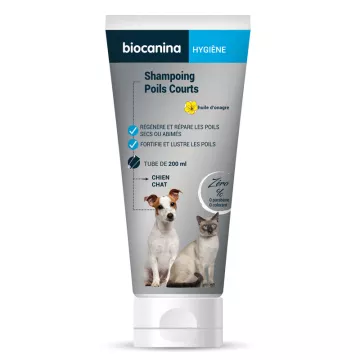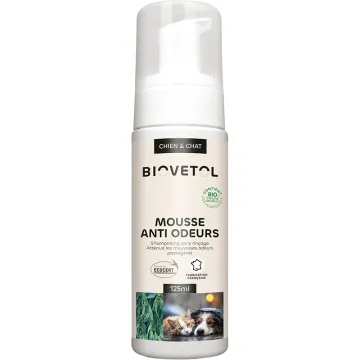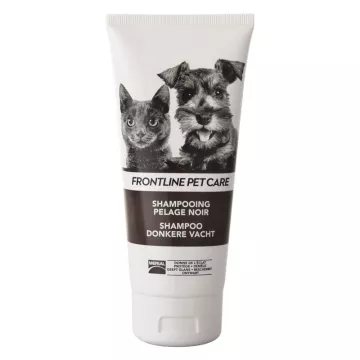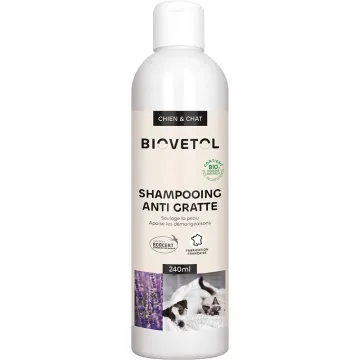
Cat shampoo is not interchangeable with dog shampoo. A cat’s skin pH (6.2 to 7.2) is more neutral than that of a dog (5.5 to 7) and, above all, that of a human (4.5 to 5.5) — an unsuitable formula disrupts the hydrolipidic film and can lead to dryness, itching, and secondary infections. Additionally, cats lick themselves after any contact; therefore, the formulas must be non-toxic if ingested. Certain active ingredients (tea tree oil, phenols, high-dose methyl salicylate) are tolerated by dogs but toxic to cats. Shampoos certified for feline use guarantee compatibility with the cat’s hepatic metabolism and safety during post-bath grooming. Skinallergies are a common reason for therapeutic bathing in cats—mechanical rinsing removes surface allergens.
The range of cat shampoos covers a wide variety of needs:
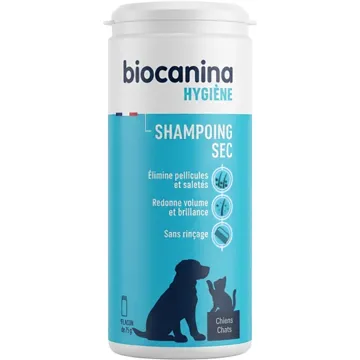
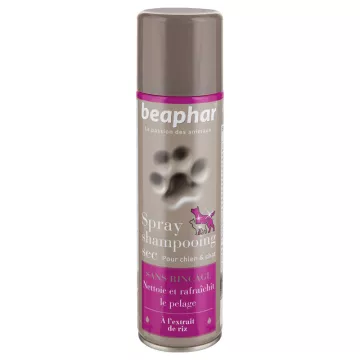
Dry shampoo (powder or no-rinse spray) is suitable for cats that dislike baths, older or weakened cats, and for emergency grooming. The powder (starch, talc, silica) is applied to the dry coat, massaged in, and brushed out. These formulas do not replace a full bath but help maintain acceptable hygiene between baths. Dry skin in cats requires moisturizing ingredients after a bath—formulas containing aloe vera, jojoba oil, or glycerin restore the hydrolipidic film without weighing down the coat.
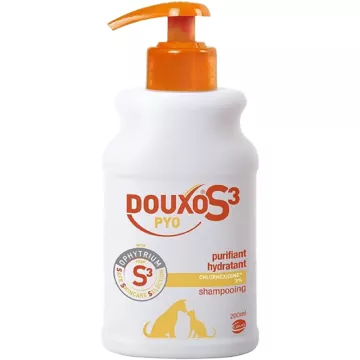
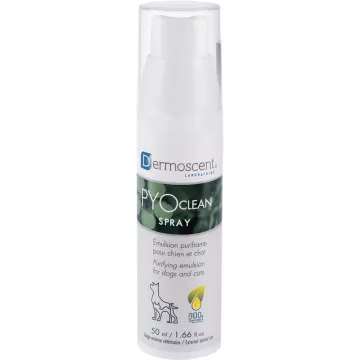
Infectious and seborrheic skin conditions require medicated shampoos prescribed by a veterinarian. Formulas containing chlorhexidine (0.5% to 3%) combined with climbazole (an antifungal) are the standard of care for bacterial pyoderma (Staphylococcus) and secondary Malassezia infections. The purifying emulsion spray (chitosan + 0.05% chlorhexidine) is applied directly to skin wounds and areas that are difficult to bathe. Contact time is crucial: leave it on the skin for 5 to 10 minutes before rinsing for optimal effectiveness.
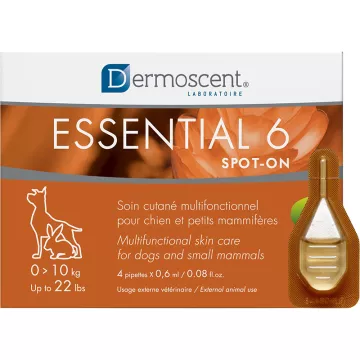
Spot-on coat care treatments (purifying essential oil solutions applied to the back of the neck using a pipette) diffuse into the skin’s lipid barrier over 4 to 6 weeks. Their formulation is tailored to feline metabolism—free of permethrin and pyrethroids. They maintain coat quality and reduce underlying itching between treatments. Low concentrations ofsalicylic acid in some formulas have a mild keratolytic effect on flaky skin without causing irritation.
Any therapeutic bath (medicated shampoo) must be prescribed or approved by a veterinarian. Signs that require a consultation before any topical treatment: diffuse or patchy alopecia, persistent crusty or weeping lesions, a strong skin odor (secondary infection), severe itching that does not respond to mild shampoos, or suspected mange (demodicosis, sarcoptic mange). A pet’s skin health begins with an accurate diagnosis—an inappropriate shampoo can worsen a skin condition by masking symptoms or irritating an already compromised skin barrier.