What is a calf cramp, and which muscles are involved?
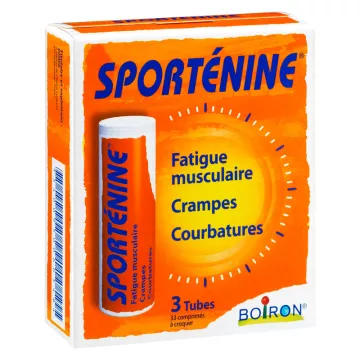
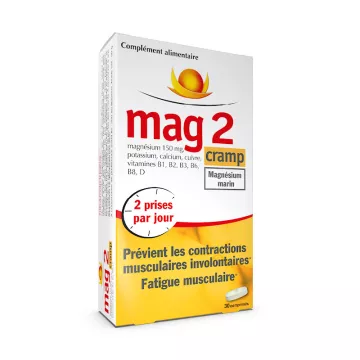
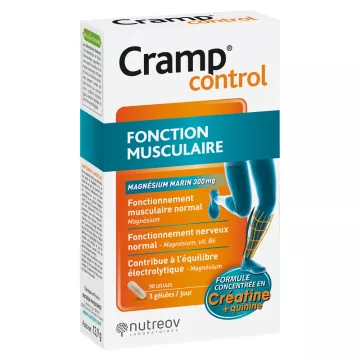
A calf cramp is a sudden, involuntary, and painful contraction of the gastrocnemius (calf) or soleus muscles—the two muscles that make up the “calf.” This is the most common site for cramps, particularly at night. This should be distinguished from persistent calf pain, which may indicate deep vein thrombosis. Our muscle comfort line offers preventive active ingredients.
- Gastrocnemius (calf muscle): superficial, biarticular muscle (knee + ankle)—involved in propulsion during walking and running—cramps are common in athletes at the end of exercise
- Soleus: a deep, monoarticular muscle (ankle)—active during prolonged standing—cramps are common among workers who stand for long periods and the elderly
- Nocturnal calf cramps: common after age 60—painful awakenings in the latter part of the night—muscle passively shortened under the sheets—magnesium and pre-bedtime stretching are the first steps
- Specific triggers: dehydration, magnesium/potassium deficiency, after intense exercise, a cold draft on the calf, venous insufficiency
- Recurrent calf cramps in athletes: a sign of chronic electrolyte imbalance or overtraining—see our page on muscle cramps
How can you tell the difference between a calf cramp and deep vein thrombosis?
This distinction is crucial—DVT is a medical emergency, whereas a cramp is benign.
- Calf cramp: visible contraction + sharp pain + spontaneous resolution within seconds to minutes — disappears completely after the episode — no persistent swelling
- DVT (deep vein thrombosis): persistent calf pain + unilateral swelling + localized warmth + redness — pain upon dorsiflexion of the foot (Homans’ sign) — does not go away after a few minutes — medical emergency, call 15
- Chronic exertional compartment syndrome: calf pain that always occurs at the same level of exertion (distance or duration) and resolves upon rest — distinguished from a cramp by its regularity and precise location
- Seek medical attention if: persistent atypical cramp, swelling of the calf, associated fever, history of DVT, or recent surgery
How to relieve a calf cramp immediately and prevent it?
- Immediate relief: forcefully dorsiflex the foot (pull the toes toward the shin)—this contracts the opposing tibialis anterior muscles → relaxing the gastrocnemius—hold for 30–60 seconds until the muscle fully relaxes
- Massage: firm, sustained pressure on the front of the calf — circular kneading motion moving upward toward the knee — promotes venous return and muscle relaxation
- Heat: Heat pad on the calf for 10–15 minutes after the cramp — vasodilation + muscle relaxation
- Nighttime prevention: Stretch the calves before bed (heel on the floor, knee straight, lean against the wall for 30 seconds) — use a soft blanket that allows for free dorsiflexion of the feet
- Sports prevention: Gradual warm-up of the calves, rising onto the tiptoes — reduce intensity if cramps occur regularly after more than 60 minutes of exercise
What natural supplements can help prevent calf cramps?
Recurrent calf cramps are a sign of a nutritional or circulatory imbalance—targeted supplementation significantly reduces them.
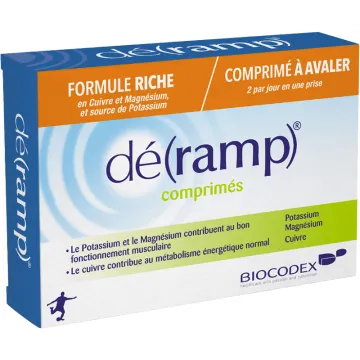
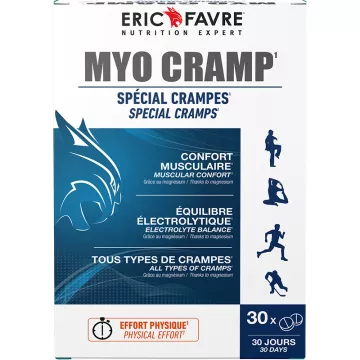
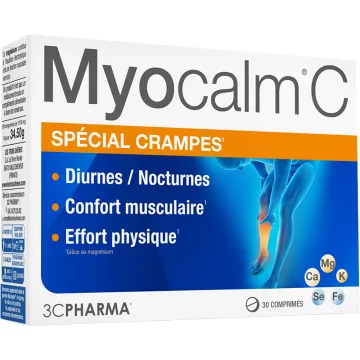
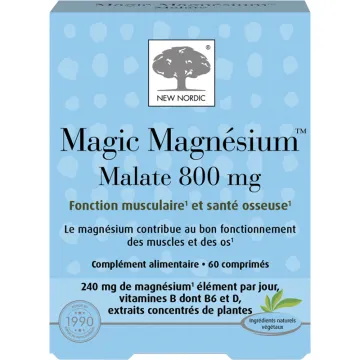
- Magnesium: the first nutrient to supplement—regulates neuromuscular excitability—300–400 mg/day of bisglycinate—minimum 3-month course to restore cellular balance
- Potassium: essential for membrane repolarization after each contraction—significant losses through sweat and urine—bananas, avocados, sweet potatoes, Badoit or Vichy water (rich in minerals)
- Calcium: triggers muscle contraction via troponin C — calcium/magnesium balance: excess calcium without magnesium = hyperexcitability
- Associated venous insufficiency: venotonic agents (horse chestnut, red vine) + venous compression — see our range of venous compression garments — insufficient venous return exacerbates nighttime cramps
- Hydration: at least 1.5–2 L/day — nights with cramps often follow a day of poor hydration or high temperatures