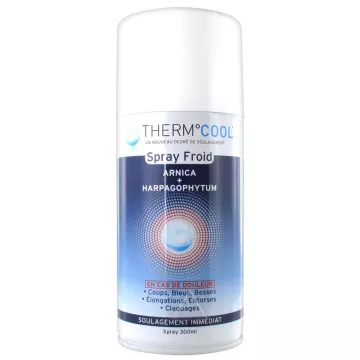
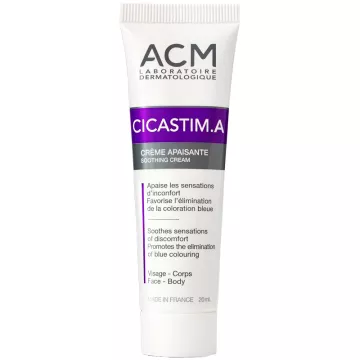
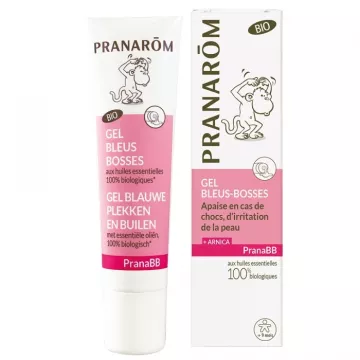
A bump (or raised subcutaneous hematoma) forms after a direct impact to an area with little soft tissue padding—such as the forehead, skull, shin, knee, or elbow. The impact damages the subcutaneous capillaries, causing them to bleed into the surrounding tissue and resulting in localized swelling that lifts the skin directly off the bone. An instant cold spray (Therm Cool Spray 300ml) is the first line of defense: applied immediately after the impact (from 30 cm away from the skin, in short bursts lasting 3–5 seconds), it provides localized cryotherapy that triggers reflex vasoconstriction, limits blood extravasation, and reduces swelling. Muscle pain associated with deep bruises on muscle groups (blows to the quadriceps or calves) responds well to arnica gels with local anti-inflammatory action.
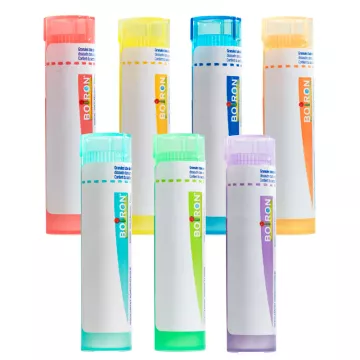
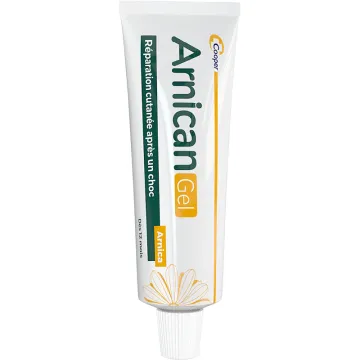
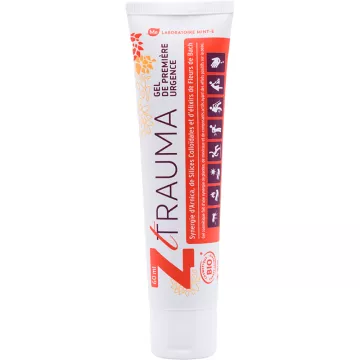
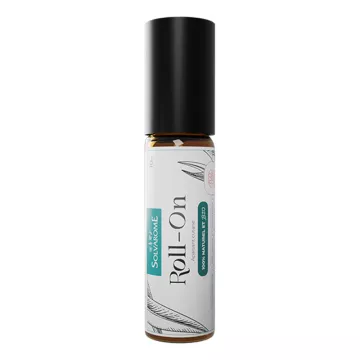
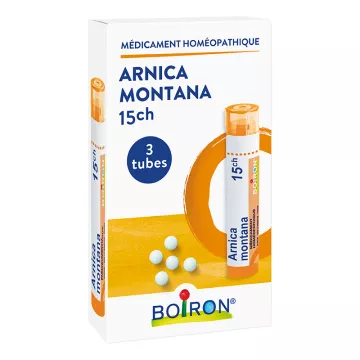
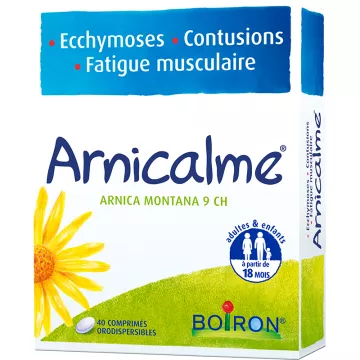
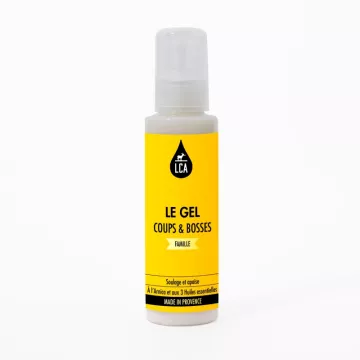
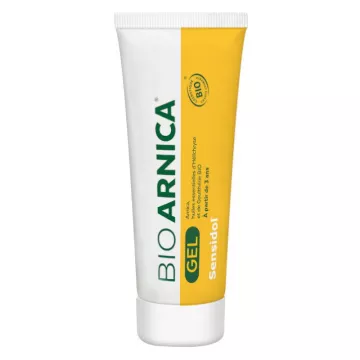
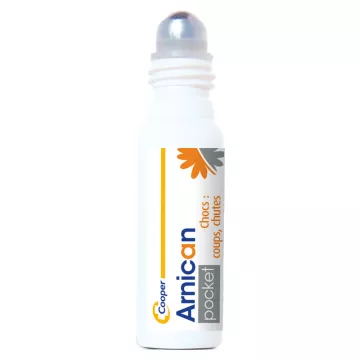
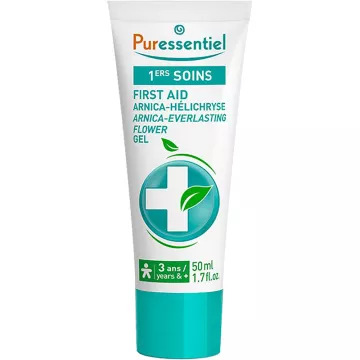
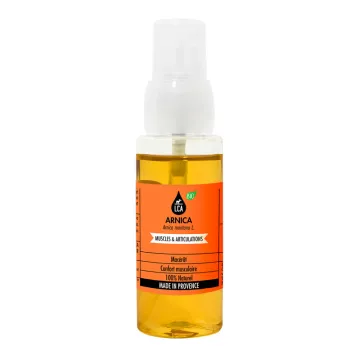
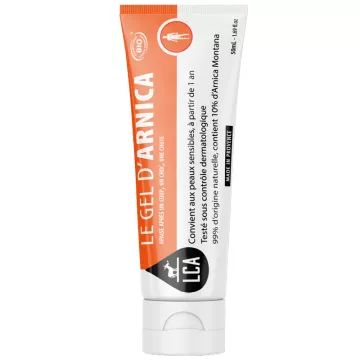
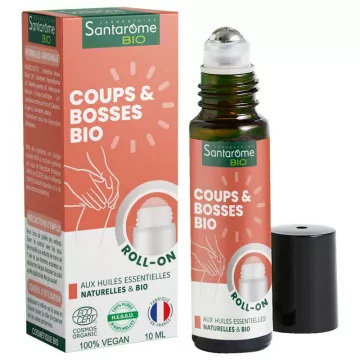
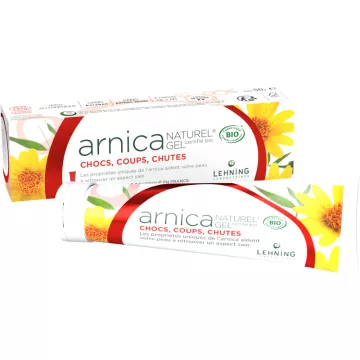
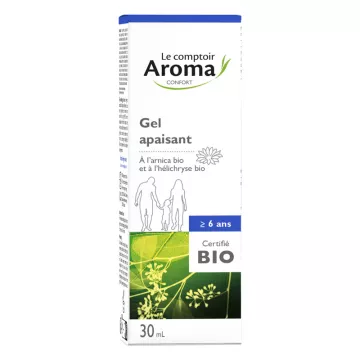
Arnica is the go-to natural treatment for bumps and bruises. When applied topically, arnica gels (Cooper Arnican, Arnica Gel Lehning, Z-Trauma Gel) exert a vasomotor and local anti-inflammatory effect that reduces swelling and accelerates the reabsorption of extravasated blood. Z-Trauma Gel (arnica + wintergreen essential oil + wintergreen + camphor, organic formula) is a phyto-aromatherapeutic blend effective for painful bruises—wintergreen (methyl salicylate) enhances the anti-inflammatory effect by inhibiting prostaglandins. The Arnican Pocket Roll-On Cooper is a convenient option for sports-related injuries—apply it immediately after the impact. In homeopathy, Arnica montana 9CH (5 granules every hour for the first 4 hours, then 3 times a day) is recommended to reduce pain and speed up healing. Boiron Arnicalme (40 tablets) is a comprehensive formula for persistent, painful post-traumatic muscle spasms.
Any bump on the skull following a head injury should be monitored. The bump itself is not a sign of severity—it indicates that the impact was cushioned by the superficial tissues. Warning signs that require an immediate call to 15 are:
In infants under 2 years of age, any bump on the head following a fall requires a pediatric evaluation. Sprains and joint injuries must be distinguished from simple bumps—persistent joint pain requires an X-ray to rule out a fracture.
Most bumps resolve within 5 to 10 days with appropriate treatment. A bump that persists beyond 2 weeks should be cause for concern—it may indicate a collected hematoma (an encapsulated blood collection requiring medical aspiration), an undiagnosed underlying fracture, a traumatic hygroma, or, more rarely, a benign bone tumor brought to light by the trauma. Chronic ligament pain following joint trauma may be accompanied by persistent swelling that mimics a lump—an ultrasound or MRI can help determine the cause. Any large, warm, red, and painful hematoma persisting beyond 48 hours requires a medical evaluation to rule out an underlying infection or venous thrombosis.
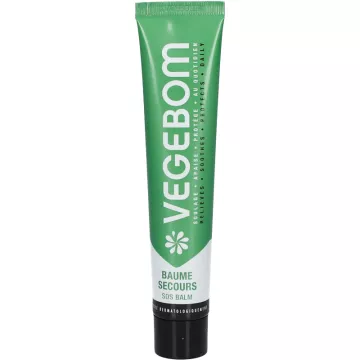
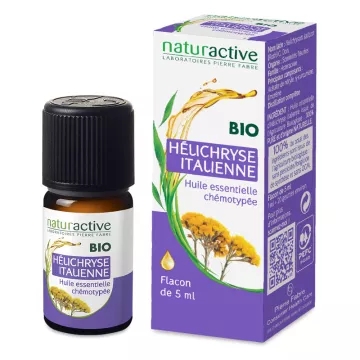
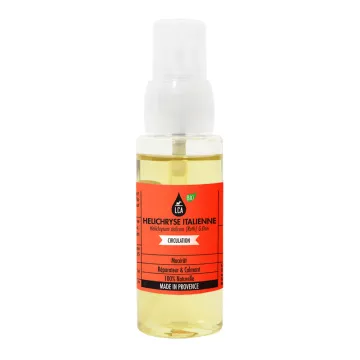
Arnica is the go-to herb, but other herbs and essential oils have complementary effects on bumps and bruises. Wintergreen (Gaultheria procumbens, methyl salicylate) is the most powerful anti-inflammatory essential oil for muscles—found in Z-Trauma Gel, it acts deeply on muscle bruises. True lavender (linalool, linalyl acetate) is anti-inflammatory and soothing—used undiluted or diluted on clean, minor bruises. Geranium (Pelargonium graveolens, citronellol) is hemostatic and vasoconstrictive—it quickly reduces subcutaneous bleeding from fresh bruises. Vegebom Balm (camphor + essential oils) works by causing local redness and providing contact analgesia. In homeopathy, Ledum palustre (for “sharp-pointed puncture” type injuries) and Bellis perennis (for deep bruises, muscular hematomas) complement Arnica for bruises with significant hematomas. For an ankle sprain with a periarticular bruise, the combination of arnica, wintergreen, and cold spray is the most effective natural emergency trio.