What is a muscle contraction, and what are the different types?
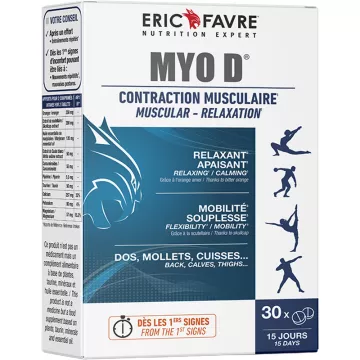
Muscle contraction is the fundamental mechanism behind all movement—it results from the sliding of actin and myosin filaments in response to a nerve signal and ATP. Understanding the different types of muscle contraction helps optimize training and better tailor rehabilitation exercises. Our muscle comfort line features active ingredients that support neuromuscular function.
- Concentric isotonic contraction: the muscle shortens while generating force—example: climbing a step, bicep curl—maximum force production per unit of weight
- Eccentric isotonic contraction: the muscle lengthens under load—e.g., descending stairs, the braking phase of the arm—develops maximum force and forms the basis of strength training in rehabilitation (eccentric protocols for tendinopathies)
- Isometric contraction: the muscle produces force without changing length—example: core exercises, holding a position—stabilization of the spine, useful in early rehabilitation without joint movement
- Isokinetic contraction: constant speed of movement regardless of load—possible only with specialized equipment—the gold standard for measuring muscle strength in sports rehabilitation
- ATP: the direct fuel for contraction—supplied by aerobic metabolism (prolonged exertion), lactic anaerobic metabolism (short bursts of intense exertion), and alactic anaerobic metabolism (very short bursts of maximal exertion)—ATP depletion → muscle fatigue and cramps
Cramps vs. Muscle Spasms: How to Differentiate and Treat Them?
Cramps and muscle spasms are two types of involuntary muscle contractions—their mechanisms and durations differ, which guides treatment. For cramps, see also our page on muscle cramps.
- Cramp: sudden, intense, involuntary contraction—lasts a few seconds to minutes—resolves spontaneously—triggers: dehydration, electrolyte deficiency (magnesium, potassium, calcium), muscle fatigue, cold
- Muscle knot: a persistent, less intense contraction—lasting several days to weeks—a palpable area of tension in the muscle (“knot”)—causes: overexertion, poor posture, stress, injury—treatment: heat + massage + gradual stretching + magnesium
- Muscle tics (fasciculations): involuntary contractions of small muscle bundles—generally benign (fatigue, caffeine, stress)—seek medical advice if persistent and associated with weakness
- Emergency relief for a cramp: stretch the muscle in the opposite direction (calf cramp → dorsiflexion of the foot) + apply pressure to the belly of the muscle + hydrate immediately
- Persistent muscle spasm lasting > 3 weeks with no improvement: seek medical advice—possible trigger point requiring an injection or targeted manual therapy
What natural ingredients support muscle function and help prevent cramps?
Micronutrient deficiencies are the leading cause of involuntary muscle contractions—targeted supplementation significantly reduces their frequency. Find these formulas in our muscle comfort line.
- Magnesium: a key regulator of neuromuscular excitability — a natural antagonist of calcium in muscle contraction — 300–400 mg/day of bisglycinate or malate — deficiency is very common (estimate: 70% of French people fall below recommended intakes)
- Potassium: an electrolyte essential for muscle action potential — lost through sweat — rich food sources: bananas, avocados, sweet potatoes — supplementation should be avoided without medical advice
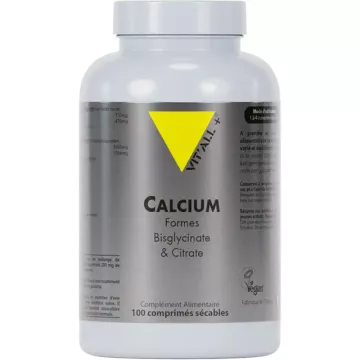
- Calcium: triggers contraction via troponin C — calcium/magnesium balance is crucial — excess calcium without magnesium = muscle hyperexcitability
- B vitamins (B1, B6, B12): support nerve conduction to the muscles—useful if contractions are accompanied by tingling
- Hydration: at least 1.5–2 L/day — water transports electrolytes to muscle fibers — essential before, during, and after physical exertion
When should muscle contractions prompt a medical consultation?
- Frequent and debilitating contractions that do not respond to supplementation or hydration — investigate for a medical cause (hypothyroidism, kidney failure, medication side effects)
- Numbness + muscle weakness associated with contractions: nerve compression (herniated disc, carpal tunnel syndrome) or neurological disorder—seek urgent medical attention
- Persistentdiffuse fasciculations (throughout the body): neurological evaluation—rare but should be ruled out
- Systematic nocturnal muscle twitching in the lower limbs (restless legs syndrome): a specific condition requiring treatment—magnesium and iron if deficient, plus medical treatment if necessary
- Certain medications can cause muscle contractions: statins (myopathy), diuretics (electrolyte loss), corticosteroids — consult a doctor if contractions begin after starting a new treatment