What is a dental bridge, and how does it work?
A dental bridge is a fixed prosthesis that replaces one or more missing teeth by anchoring itself to the adjacent natural teeth—known as abutment teeth. These abutment teeth are prepared (by grinding the enamel around their entire circumference) to receive crowns on either side, between which one or more artificial teeth (pontics) are suspended. The bridge is permanently cemented in place—it cannot be removed. Unlikea dental implant, which replaces each missing tooth individually with an artificial root, a bridge shares its support with the neighboring teeth. Dental care accessories andoral hygiene products are available in the store.
- Components of a bridge: crowns (caps on the prepared abutment teeth) — pontic(s) (artificial tooth(s) suspended in mid-air—do not rest on the bone or gum) — area beneath the pontic (prosthetic neck—critical hygiene zone)
- Types of bridges: conventional bridge (minimum of 3 units—1 pontic between 2 crowns)—cantilever bridge (pontic anchored on one side only—reserved for low forces) — Maryland adhesive bridge (metal or ceramic wings bonded to the lingual surfaces of the abutment teeth without reduction — less invasive — less stable) — implant-supported bridge (see the “Implant” page)
- Available materials: all-ceramic (zirconia or e.max—superior aesthetics, biocompatible, durable)—metal-ceramic (metal framework + cosmetic ceramic—highly durable, less aesthetically pleasing in the smile zone) — all-metal (gold or alloy—reserved for non-visible posterior areas—very durable)
- Bone resorption under the pontic: unlike an implant, a bridge does not stimulate the bone beneath the edentulous area — bone resorption continues under the pontic — gum tissue may recede over time → a gap may appear between the pontic and the gum
How is a dental bridge placed?
- Pre-treatment evaluation: X-rays of the abutment teeth (to check vitality and periodontal health)—an abutment tooth with decay, a devitalized pulp, or periodontal compromise increases the risk of failure—a periodontitis evaluation is mandatory (active periodontitis is a contraindication)
- Preparation of the abutment teeth: grinding 1.5 to 2 mm around the entire circumference of the adjacent teeth — irreversible procedure performed under local anesthesia — removal of healthy tooth structure — this is the main disadvantage of a bridge compared to an implant — impression or intraoral scan + temporary resin bridge for 2 to 3 weeks
- Permanent cementation: bridge try-in (checking fit, occlusion, and aesthetics) — permanent cement — occlusal adjustments — possible temporary sensitivity for 48–72 hours
- Timelines and emergency alternatives: In cases of recent tooth loss, some dentists offer an immediate temporary bridge — however, it is more common to wait for the alveolar socket to heal completely (3–4 months) before beginning preparation
How should a bridge be maintained, and how do you clean under the pontic?
- The challenge with the pontic: the most critical area —the space beneath the pontic is inaccessible to regular floss and a toothbrush—food debris and plaque accumulate there—risk of cavities on the abutment teeth at the cervical region, gingivitis, and chronic inflammation beneath the pontic—this uncleaned area is the leading cause of premature bridge failure
- Under-bridge floss (superfloss): floss with a rigid tip that allows it to pass under the pontic—use at least once a day—gently slide the floss between the pontic and the gum, moving it back and forth—an essential technique for anyone with a bridge
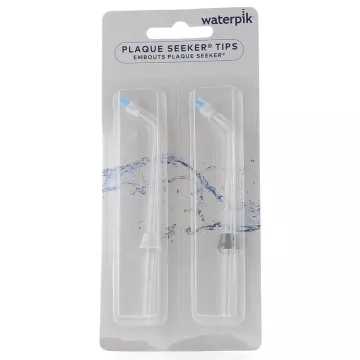
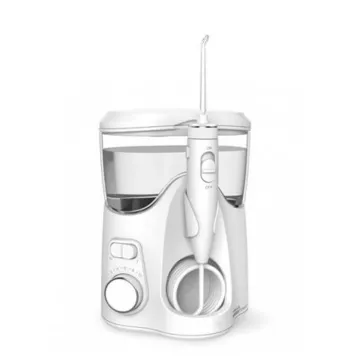
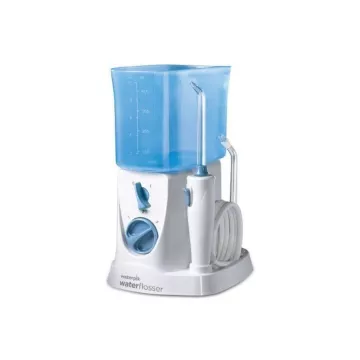
- Interdental brushes and water flossers: small interdental brushes (ISO 0–1) can reach under certain pontics — the dental irrigator is an effective supplement for cleaning under the bridge — it does not replace superfloss but significantly improves debris removal
- Brushing the abutment teeth: Brush carefully along the gumline of the crowns—the crown-to-tooth junction is vulnerable to cavities—use a soft-bristled toothbrush and the Bass technique—twice a day—oral hygiene products available at pharmacies
Bridge or Implant: How to Choose?
- Bridge — advantages: no surgery — immediate results (2 appointments) — less expensive in the short term — ideal if the adjacent teeth require crowns anyway (extensive cavities, heavily restored teeth)
- Bridge — disadvantages: irreversible preparation of healthy abutment teeth — ongoing bone resorption under the pontic — lifespan of 10–15 years, after which replacement is necessary — long-term risk of cavities and root canal treatment on the abutment teeth
- Implant — advantages: preserves adjacent teeth intact — stimulates bone (no resorption) — lifespan of 20+ years — solution closest to a natural tooth — see the implant page
- Decisive criteria: condition of adjacent teeth (healthy → implant preferred; heavily restored → bridge is a reasonable option) — bone volume (implants require sufficient bone volume) — budget — desired timeline — dentist’s opinion on the dental surgery and dental prosthetics pages