What is blood coagulation, and how does it work?
Blood clotting refers to the set of hemostatic mechanisms that stop bleeding following vascular injury. It occurs in three successive and coordinated phases—primary hemostasis, plasma coagulation, and fibrinolysis. This process is finely regulated to ensure it is active only at the site of injury and to prevent excessive thrombosis. Vascular support supplements are available in the store’s vitamins and minerals section.
- Phase 1 — Primary hemostasis: reflex vasoconstriction of the injured vessel — platelet adhesion to the damaged wall (von Willebrand factor — vWF) — platelet activation and aggregation → temporary platelet plug
- Phase 2 — Plasma coagulation (cascade): two activation pathways (extrinsic—tissue factor + factor VII, and intrinsic—factors XII, XI, IX, VIII) → common pathway (factor X → prothrombinase → thrombin) → conversion of fibrinogen to fibrin → fibrin network reinforcing the platelet plug — the liver synthesizes nearly all coagulation factors (II, VII, IX, X—vitamin K-dependent)
- Phase 3 — Fibrinolysis: gradual dissolution of the clot by plasmin once healing is complete
- Regulation: natural anticoagulants (antithrombin III, proteins C and S) — delicate balance between coagulation and anticoagulation — any shift toward excess → thrombosis; toward deficiency → hemorrhage
What are the coagulation disorders, and how are they diagnosed?
- Primary hemostasis (platelets and von Willebrand factor): thrombocytopenia (platelets < 150,000/µL) — thrombopathy — von Willebrand disease (most common disorder — 1% of the population — deficient von Willebrand factor) — symptoms (skin and mucosal bleeding: bruising, nosebleeds, bleeding gums, menorrhagia)
- Plasma coagulation: hemophilia A (factor VIII—X-linked, primarily affects males) and B (factor IX)—deep bleeding (hemarthrosis, muscle hematomas) — vitamin K deficiency (premature infants, malabsorption, prolonged antibiotic therapy) — liver failure (deficiency of all liver-synthesized factors) — DIC (disseminated intravascular coagulation — a hematologic emergency)
- Laboratory coagulation tests (performed by a physician or clinical chemist):
- PT (prothrombin time) / INR: extrinsic and common pathways — monitored in patients on VKA (target INR 2–3 as indicated)
- APTT (activated partial thromboplastin time): intrinsic and common pathways — prolonged in hemophilia and with heparin
- Complete blood count (CBC) with platelet count: platelet count
- Fibrinogen: decreased in DIC and severe liver failure
- Specific assays: von Willebrand factor (vWF), factors VIII, IX, and XI, as clinically indicated
- Drugs that affect coagulation: anticoagulants (VKA—warfarin, fluindione; DOACs—apixaban, rivaroxaban, dabigatran; LMWH)—antiplatelet agents (aspirin, clopidogrel)—never change anticoagulant therapy without medical advice—report any anticoagulant therapy to all healthcare providers
How can you naturally support normal blood clotting?
These approaches support vascular balance—they are not a substitute for anticoagulant medications or treatments for inherited coagulation disorders. Consult your doctor before taking any supplements if you are currently on anticoagulant or antiplatelet therapy.
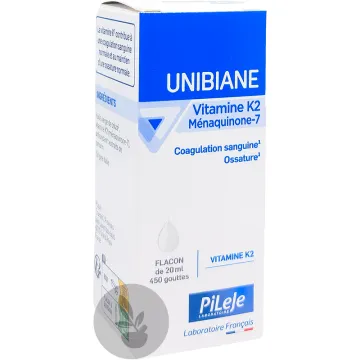
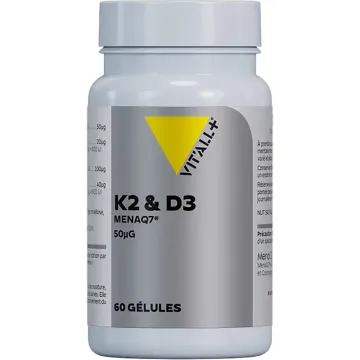
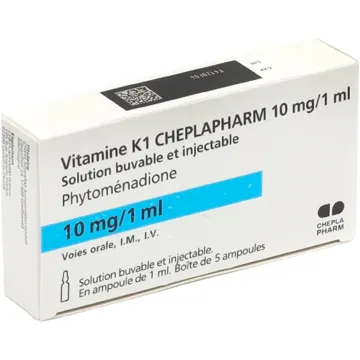
- Vitamin K: an essential cofactor for the activation of coagulation factors II, VII, IX, and X, as well as anticoagulant proteins C and S—dietary sources (green leafy vegetables—spinach, broccoli, lamb’s lettuce, kale—90 to 120 µg/day according to the EFSA)—extreme caution is required for patients on vitamin K antagonists (VKAs): never abruptly change vitamin K intake without medical advice (risk of INR imbalance)
- Liver-protective diet: Since the liver synthesizes most clotting factors, maintaining its function is essential—a balanced diet, limiting alcohol, and maintaining a healthy weight
- Regular physical activity: 150 min/week improves blood circulation and reduces the risk of venous stasis → prevention of thrombosis
- Hydration: 1.5 to 2 L/day — maintains blood fluidity and prevents excessive viscosity — especially while traveling and in hot weather
- In case of persistent bleeding, thrombosis, or suspected coagulation disorder → consult a doctor or hematologist for a comprehensive evaluation — see “Bleeding”