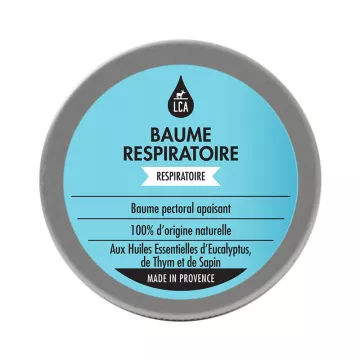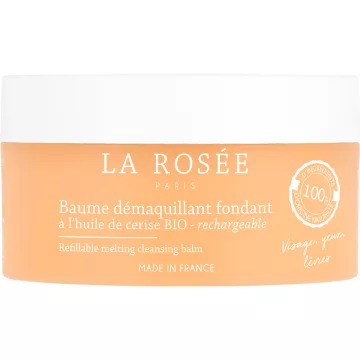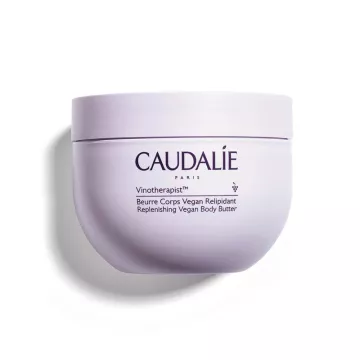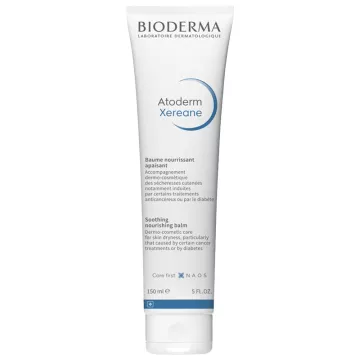
A balm is a semi-solid cosmetic formula designed to moisturize, nourish, and protect dry or irritated areas of the skin.
Its rich, concentrated texture provides more enveloping coverage than lotions or creams, making it particularly useful for areas that are very dry, sensitive, or exposed to the cold.
To use, take a small amount with clean fingers and apply directly to the affected area; the product melts on contact with body heat.
Apply to clean, dry skin once or several times a day, as needed and according to the manufacturer’s instructions.
Balm is enriched with nourishing and moisturizing agents that provide several cosmetic benefits:
A cosmetic balm is never a substitute for medical treatment: for eczema, psoriasis, or other skin conditions, dermatological consultation is required. Do not apply the balm to broken skin, open wounds, or burns without medical advice (first aid for burns: cool water for 15 to 20 minutes, followed by prompt medical attention if the affected area is extensive, located on the face, hands, or a joint, or if the patient is a child or elderly person).
Choose a balm based on your skin’s specific needs:
Essential oils (tea tree, lavender), which are sometimes added, are not recommended for pregnant or breastfeeding women, children under 3 years of age, or people allergic to the ingredients.
Most cosmetic balms can be used daily, particularly those designed for moisturizing and protection.
Reapply as needed (morning, evening, after washing hands, or after exposure to cold or wind).
For balms containing more concentrated active ingredients or essential oils, follow the manufacturer’s specific application recommendations.
If you have sensitive or reactive skin, always perform a skin test on the inside of your elbow 48 hours before first use.
The main difference between balms, creams, and lotions lies in their texture and the concentration of their ingredients.
Balms are thicker and less watery, containing a significant proportion of plant-based butters, oils, and waxes.
Creams and lotions have a higher water content and a lighter texture, making them better suited for quick daily moisturizing or summer use.
Balms offer longer-lasting protection against dehydration, which is especially useful in winter or for very dry skin.
Making your own balm is possible if you take a few essential precautions.
Basic ingredients: butters (shea, cocoa), plant-based oils (coconut, sweet almond, olive), beeswax or plant-based wax (candelilla) to thicken the mixture, and optionally a few drops of essential oil.
DIY Precautions: Essential oils should be diluted to a maximum of 1–2% for topical use; not recommended for pregnant or breastfeeding women or children under 3 years of age; shelf life of 6 to 12 months with strict hygiene (sterilized containers, clean hands).
For certified ingredients and tried-and-true recipes, check out our selection of organic cosmetic preparations and their accompanying guides.
There are balms formulated for most skin types, including oily skin.
For oily skin, be sure to choose non-comedogenic balms that won’t clog pores.
Oils such as hazelnut, jojoba, or black cumin are valued for their skin affinity and their ability to support balance without weighing the skin down.
Black cumin oil may cause allergic reactions in some people; those with sensitive skin should always test the product on a small area before regular use.
It all depends on the formulation and the balm’s intended use.
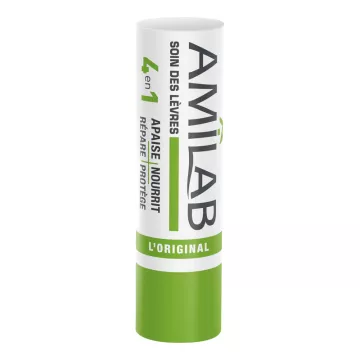
Some balms are specifically formulated for the face: lip balms, eye contour balms, and balms for dry areas of the face.
Be sure to check that the formula is explicitly labeled for facial use and suitable for the thinner, more sensitive skin in that area.
Avoid balms containing harsh essential oils or concentrated fragrances if you have reactive oracne-prone skin.
To preserve the quality of a balm, store it in a cool, dry place, away from direct light and heat sources.
Heat can cause the balm to melt and alter the stability of its ingredients (particularly through the oxidation of plant oils).
Always apply the product with clean hands or a dedicated spatula to minimize microbial contamination.
If the balm changes color, smell, or texture, stop using the product and replace it; follow the “use by” date indicated on the packaging.