0
Menu

Oily Skin and Scalp: Tips from the Pharmacist

Filter
Number of products : 12
Sort
Sort
Close
Sebclair Steroid-free cream for seborrheic dermatitis 30ml Sebclair Steroid-free cream for seborrheic dermatitis 30ml
€10.99
Shipped within 24h
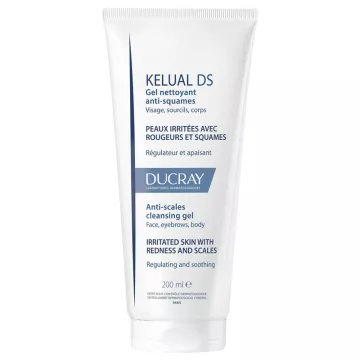
Ducray Kelual DS Anti-Skin Cleansing Gel 200 ml Ducray Kelual DS Anti-Skin Cleansing Gel 200 ml
€13.90
Shipped within 24h
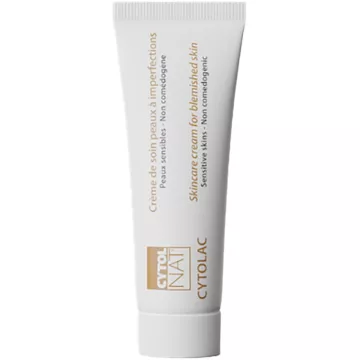
Cytolac Skin Care Cream for Blemish-Prone Skin Cytolac Skin Care Cream for Blemish-Prone Skin
€8.90
Shipped within 24h
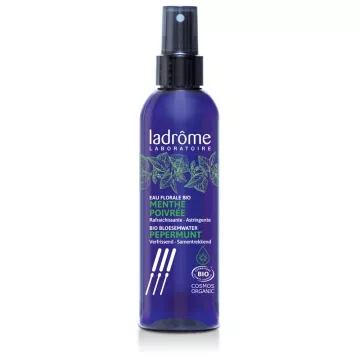
Ladrôme Organic Peppermint Floral Water 200 ml Ladrôme Organic Peppermint Floral Water 200 ml
€8.45
Shipped within 24h
Kerium DS Seborrheic Dermatitis Shampoo La Roche Posay 200 ml Kerium DS Seborrheic Dermatitis Shampoo La Roche Posay 200 ml
€17.90
Shipped within 24h
Nuxe Zinc Power Sérum Anti-Imperfections 30 ml -€2.01 Nuxe Zinc Power Sérum Anti-Imperfections 30 ml
€26.89 €28.90
Shipped within 24h
Douxo S3 Calm Soothing Leave-In Foam for Dogs and Cats, 150 ml Douxo S3 Calm Soothing Leave-In Foam for Dogs and Cats, 150 ml
€16.99
Shipped in 5 to 7 days
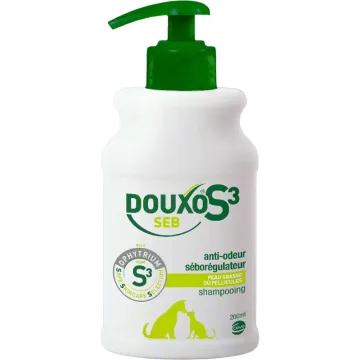
Douxo S3 Seb Anti-Odor Sebum-Regulating Shampoo Douxo S3 Seb Anti-Odor Sebum-Regulating Shampoo
200 ml
€19.99
Add to cart
Shipped in 5 to 7 days
Douxo S3 Seborrhea Foam 150 ml Douxo S3 Seborrhea Foam 150 ml
€15.90
Shipped in 5 to 7 days

What is an anti-seborrheic treatment?

An anti-seborrheic treatment refers to skincare routines and products designed to regulate excessive sebum production (seborrhea) by the sebaceous glands. Characteristics:

  • Main indications: oily skin or scalp, seborrheic dermatitis, oily dandruff, seborrheic conditions associated with acne
  • Mechanisms of action: sebum regulation, gentle exfoliation, antifungal action against Malassezia yeasts, anti-inflammatory action
  • Various formats: treatment shampoos, lotions, creams, cleansing gels, serums, masks
  • Areas treated: scalp, face (T-zone), chest, back, ears, eyebrows, nasolabial folds
  • Gradual effectiveness: visible improvement over a few weeks
  • Used as a treatment course or for maintenance, depending on severity
  • Cosmetic or medical approach depending on the active ingredients and severity

Forexcess sebum in general, additional resources are available to help you.

How do these treatments work?

Several complementary mechanisms come into play:

  • Sebum regulation: moderating the activity of the sebaceous glands
  • Removal of excess sebum from the skin’s surface through gentle cleansing and exfoliation
  • Unclogging pores with chemical exfoliants (salicylic acid, AHAs)
  • Antifungal action against Malassezia yeasts, which are involved in seborrheic dermatitis
  • Soothinganti-inflammatory action
  • Restoration of the skin barrier through moisturizing and soothing active ingredients
  • Antibacterial action against potential secondary infections
  • Supports the balance of the skinmicrobiome
  • Regulation of the pH of the skin and scalp

The combination of complementary active ingredients is often more effective than a single active ingredient. The choice depends on the primary cause of the imbalance (pure seborrhea, seborrheic dermatitis, associated acne, dandruff).

What active ingredients should you look for in a product?

Several well-documented ingredients are included in the formulation:

  • Zinc pyrithione: antifungal, antibacterial, and sebum-regulating (particularly in treatment shampoos)
  • Ketoconazole: an imidazole antifungal (available by prescription or over the counter depending on the country), effective against seborrheic dermatitis and oily dandruff
  • Ciclopirox olamine: broad-spectrum antifungal
  • Climbazole: an antifungal related to ketoconazole, used in cosmetics
  • Selenium sulfide: antifungal and anti-seborrheic
  • Salicylic acid (BHA): keratolytic exfoliant, unclogs pores
  • Azelaic acid: anti-inflammatory, anti-seborrheic, considered one of the safest options, including during pregnancy, according to medical advice
  • Glycolic and lactic acids (AHAs): gentle exfoliants (photosensitizing)
  • Niacinamide (vitamin B3): regulates sebum production, soothes redness
  • Zinc gluconate: sebum regulator
  • Zinc PCA: regulates sebum production
  • Plant-based or coal tar: keratolytic action (specific formulations)
  • Green or white clay: absorbs sebum when used as a mask
  • Topical probiotics: balance the skin microbiome
  • Dilutedtea tree essential oil: antifungal and antibacterial action (48-hour patch test; use with caution in children and pregnant women)

Gradual introduction and a 48-hour tolerance test are recommended before any regular use.

How to choose the right treatment?

Several criteria guide the selection:

  • Type of seborrhea: pure (oily skin or scalp), associated with seborrheic dermatitis, acne, or oily dandruff
  • Area to be treated: scalp (treatment shampoos), face (gels, creams, serums), body (shower gels, lotions)
  • Severity: mild (cosmetic), moderate to severe (medical)
  • Skin type: simply oily, combination, sensitive and oily, acne-prone
  • Individual tolerance to concentrated active ingredients
  • Hormonal context: adolescence, pregnancy, menopause, polycystic ovary syndrome
  • Presence of erythema or scaling: antifungals are preferred (seborrheic dermatitis)
  • Compatibility with other products in the skincare routine
  • Pleasant texture to encourage adherence
  • Consult a pharmacist if in doubt

Medical consultation recommended in cases of:

  • Extensive or resistantseborrheic dermatitis
  • Marked, weeping, or crustedinflammatory lesions
  • Severe itching or pain
  • Associated hair loss
  • Progressive facial lesions
  • Failure of cosmetic treatments after 4 to 6 weeks
  • Suspected associated condition (psoriasis, eczema)

What are the best practices for use?

Consistent use optimizes results:

  • Follow the productinstructions (frequency, duration, application time)
  • Performa 48-hourpatch test in the crook of the elbow
  • Apply to clean, dampskin or scalp
  • Observethe recommendedapplication time (generally 2 to 5 minutes for treatment shampoos)
  • Gently massage the scalp or face
  • Rinse thoroughly with lukewarm water
  • Avoid the eye area and mucous membranes
  • Gentle complementaryroutine: ultra-moisturizing cleansers, lukewarm water, gentle makeup removal
  • Avoid irritating products: harsh detergents, strong alcohols, concentrated fragrances, stripping soaps
  • Appropriatemoisturization even for oily skin (non-comedogenic formulas, lotions, or gels)
  • Daily sun protection (SPF 30 to 50+) suitable for oily skin (matifying, lightweight formulas)
  • Consistency: improvement over 4 to 8 weeks
  • Adjust your routineseasonally (seborrheic dermatitis flare-ups are more frequent in winter)

A paradoxical rebound effect may occur with overly harsh skincare products: the skin compensates by producing excess sebum as a reaction. Choose gentle over harsh products.

Suitable for all skin types?

Several formulations are available depending on skin type:

  • Simple oily skin: gentle cleansing gels, regulating serums with niacinamide, fluid sunscreen
  • Combination skin: balancing products targeted at the T-zone, lightweight formulas
  • Oily, blemish-prone skin: combinations with salicylic acid, niacinamide, and azelaic acid
  • Sensitive and oily skin: gentle, alcohol- and fragrance-free formulas with soothing active ingredients
  • Seborrheic dermatitis of the face: antifungal gels or creams, soothing treatments with chamomile or bisabolol
  • Oily scalp with or without dandruff: treatment shampoos alternated with mild maintenance shampoos
  • Oily dandruff: antifungal treatment shampoos
  • Dry dandruff: different approach (moisturizing and emollient)
  • Acne-prone and seborrheic skin: a combination of specific active ingredients; dermatological follow-up recommended
  • Dark skin types: use concentrated active ingredients with caution (risk of post-inflammatory hyperpigmentation)
  • Pregnant or breastfeeding women: Avoid certain active ingredients (concentrated salicylic acid, retinoids); pharmaceutical consultation recommended

Pharmaceutical advice helps identify the most suitable formulation.

How often should it be applied?

The frequency depends on the product type and the severity of the condition:

  • Mild daily cleansers: 1 to 2 times a day, morning and evening
  • Antifungal treatment shampoos: 2 to 3 times per week during the initial treatment phase, then once a week for maintenance
  • Mild maintenance shampoos on other days
  • Niacinamide-basedregulating serums: 1 to 2 times a day
  • Azelaic acidtreatment creams: 1 to 2 times a day
  • Absorbent clay masks: 1 to 2 times a week maximum
  • Salicylic acid exfoliants: 2 to 3 times a week, depending on tolerance
  • Mattifying lotions: can be applied throughout the day for comfort
  • Intensive treatments at the start of the regimen, gradually spaced out thereafter
  • Seasonal adjustments: increase frequency during flare-ups (winter, stress, sweating)

It’s essentialto listen to your skin: if you notice signs of irritation or paradoxical dryness, space out applications. Consistency over several weeks to several months is the key to success.

What side effects should you watch for?

Several reactions may occur:

  • Dryness of the skin or scalp
  • Tightness and discomfort
  • Temporaryredness
  • Superficial flaking
  • Tingling or burning sensations at the application site
  • Initialitching
  • Allergic reactions to preservatives, fragrances, or active ingredients
  • Temporary discoloration with certain tar-based products
  • Increased sun sensitivity with salicylic acid or AHAs
  • Paradoxicalrebound effect if the product is too harsh
  • Paradoxical worsening if active treatment is abruptly discontinued

Recommended course of action:

  • Space out applications if irritation occurs
  • Apply a soothing treatment containingaloe vera, chamomile, or panthenol
  • Increase moisturization if the skin is dry
  • Discontinue use in case of a severe reaction and consult a pharmacist or dermatologist
  • Angioedema: medical emergency (call 15 or 112)

Most side effects are mild and temporary. Gradual reintroduction of the product after symptoms improve is generally well tolerated.

Can multiple treatments be combined?

Combinations are possible, provided certain guidelines are followed:

Recommended combinations:

  • Treatment shampoo + suitable facial cleanser as part of an overall skincare routine
  • Niacinamide + hyaluronic acid: soothing and moisturizing
  • Azelaic acid + niacinamide: well-tolerated when used together
  • Anti-seborrheic cream + lightweight, non-comedogenic moisturizer
  • SPF 30 to 50+ sunscreen with a mattifying formula as the final step in your morning routine
  • Absorbent clay mask 1 to 2 times a week as a supplement
  • Alternate active ingredients in your routine (morning/evening, even/odd days)

Avoid:

  • Simultaneous use of irritating active ingredients (retinol + AHA + concentrated BHA)
  • Multiple photosensitizing active ingredients without rigorous sun protection
  • Exfoliating products combined with drying treatments
  • Simultaneous introduction of several new active ingredients
  • Using multiple fragranced products on sensitive skin

For combinations with dermatological treatments (retinoids, topical antibiotics, oral isotretinoin), always consult your dermatologist.

What impact does diet have?

Diet can influence the visible quality of the skin:

  • Colorful fruits and vegetables: 5 servings per day for vitamins and antioxidants
  • Fatty fish twice a week (salmon, sardines, mackerel): anti-inflammatory omega-3 EPA and DHA
  • Green vegetables and berries: antioxidants and polyphenols
  • Zinc (oysters, meat, legumes): helps maintain healthy skin
  • Selenium and vitamin C: cellular protection
  • Hydration: 1.5 to 2 L of water per day
  • Dietary probiotics (plain yogurt, kefir, lacto-fermented vegetables): balance the microbiome
  • Limit foods with a high glycemic index: simple sugars, pastries, soda (promote excess sebum production)
  • Limit dairy products in cases of seborrhea associated with acne (as advised)
  • Limit ultra-processed foods and saturated fats
  • Limit alcohol
  • Limit tobacco use (Tabac Info Service: 3989)
  • Manage chronicstress (a documented aggravating factor)
  • 7–9 hoursof quality sleep per night

Diet is important but does not replace topical treatments. For additional support, our natural antioxidants section offers products available with a pharmacist’s recommendation. A comprehensive approach combining appropriate topical treatments, a balanced diet, a healthy lifestyle, and, if necessary, dermatological follow-up yields the most lasting results. Your pharmacist remains a valuable resource for tailoring this strategy to the changing needs of your skin and scalp.