What is a pain reliever, and how are they classified?
A pain reliever reduces or eliminates pain without causing a loss of consciousness—as opposed to general anesthetics. The WHO’s stepwise classification remains the standard for tailoring treatment to the intensity of pain. Our line of pain relievers includes solutions tailored to every type of pain.
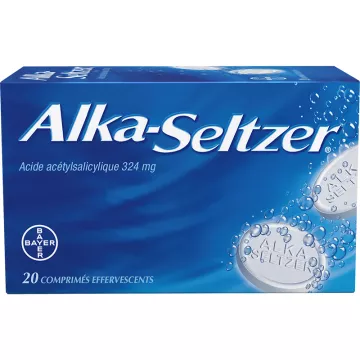
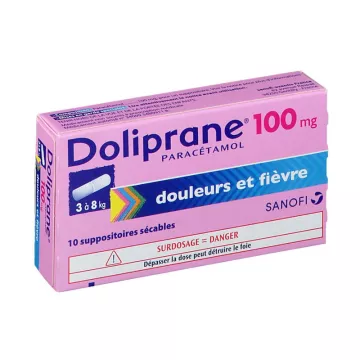
- Step 1 — Non-opioids: acetaminophen (analgesic + antipyretic, with no anti-inflammatory effect) and NSAIDs (ibuprofen, naproxen—anti-inflammatory + analgesic)—mild to moderate pain (VAS 1–4)
- Step 2 — Weak opioids: codeine, tramadol — moderate to severe pain (VAS 4–7) — tramadol not recommended for the elderly (confusion, falls, drug interactions)
- Step 3 — Strong opioids: morphine, oxycodone, fentanyl — severe pain (VAS > 7) — requires a doctor’s prescription — risk of dependence and respiratory depression
- Adjuvant analgesics: antiepileptic drugs (gabapentin, pregabalin) and antidepressants (duloxetine, amitriptyline) for neuropathic pain—act on pain transmission pathways, not on inflammation
- Fundamental rule: Use the lowest effective dose for the shortest possible duration—reassess regularly
Acetaminophen vs. NSAIDs: Which to Choose and When?
The two most commonly prescribed first-line analgesics have distinct mechanisms of action—the right choice depends on the type of pain and the patient’s profile.
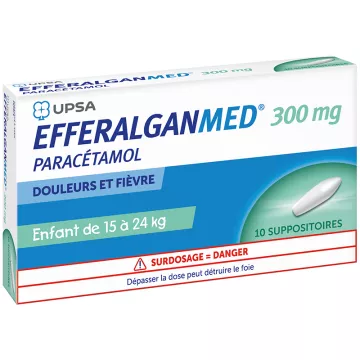
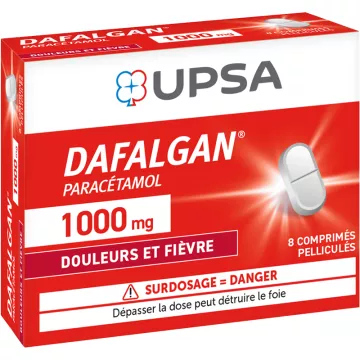
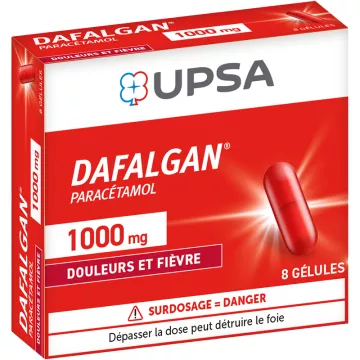
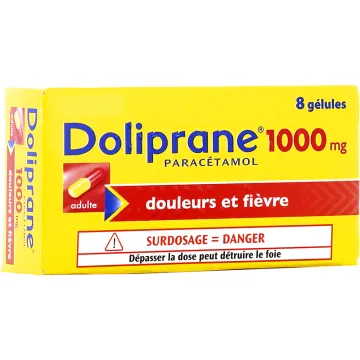
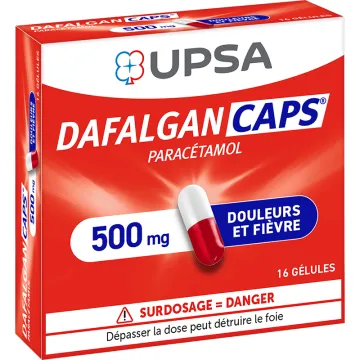
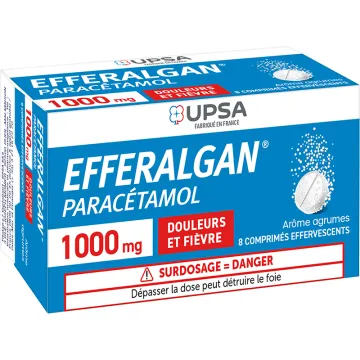
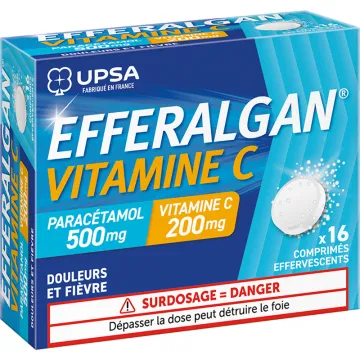
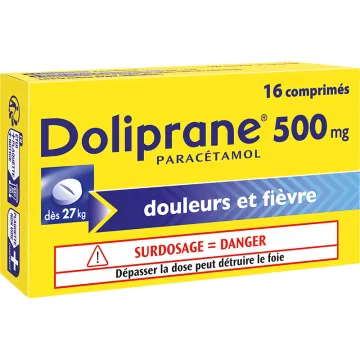
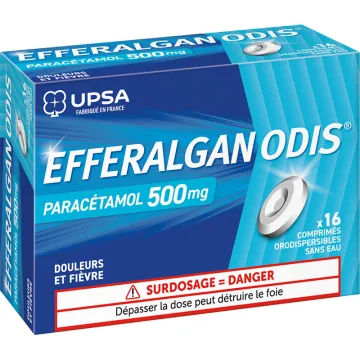
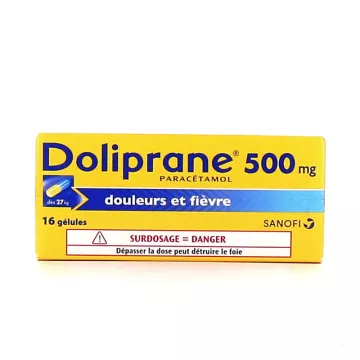
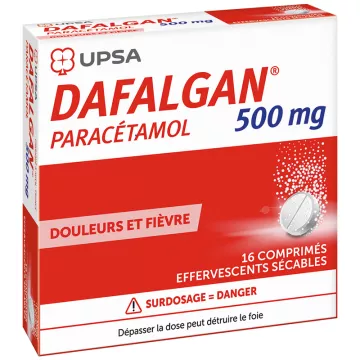
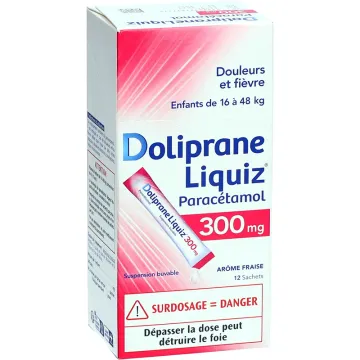
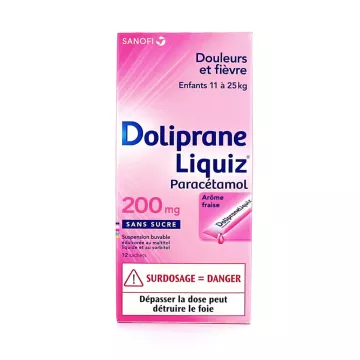
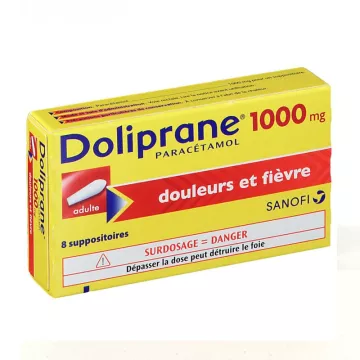
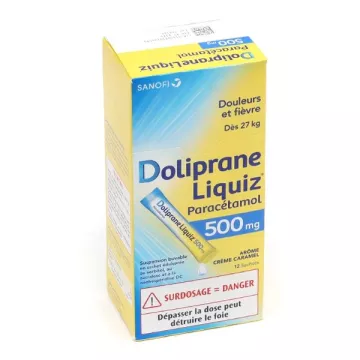
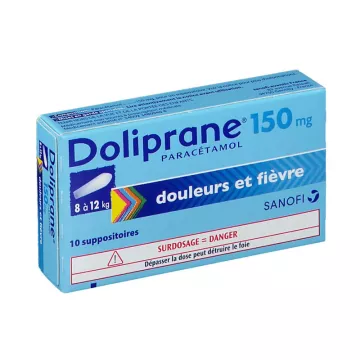
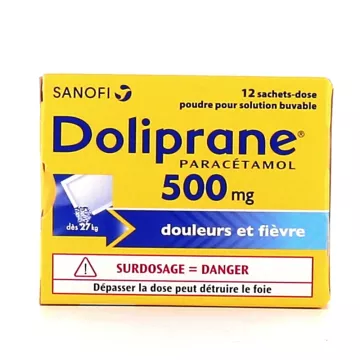
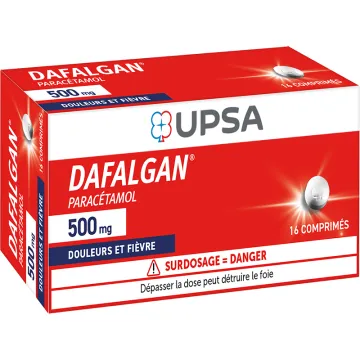
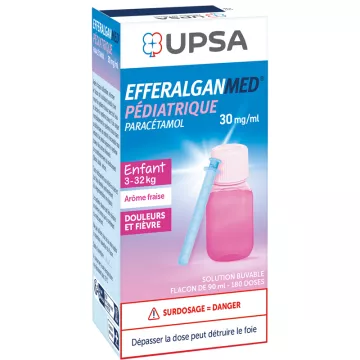
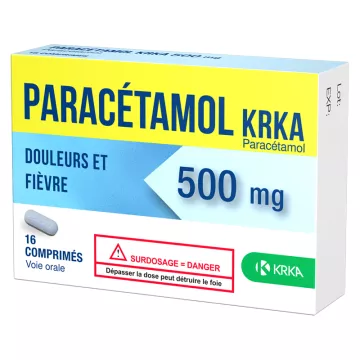
- Acetaminophen: 500 mg–1 g every 4–6 hours, max 4 g/day (2 g/day in cases of liver failure or alcoholism)—first-line treatment for mechanical pain and osteoarthritis—excellent gastrointestinal profile—hepatotoxic if overdosed or combined with alcohol
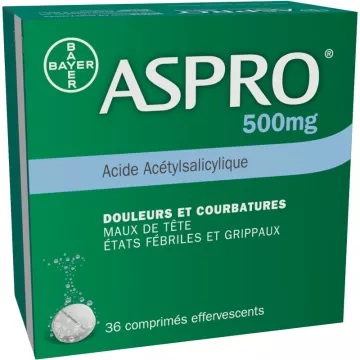
- NSAIDs (ibuprofen, naproxen, diclofenac): anti-inflammatory + analgesic — indicated if there is a confirmed inflammatory component (sprain, tendinitis, osteoarthritis flare-up) — gastrointestinal risks (take with food), renal risks (stay well-hydrated), cardiovascular risks
- Combining acetaminophen and NSAIDs: documented synergistic effect — may allow for reduced individual doses — validated for post-traumatic and postoperative pain — see our postoperative page
- NSAIDs are strictly contraindicated starting in the 6th month of pregnancy (risk of premature closure of the ductus arteriosus)—paracetamol at the lowest effective dose remains the standard of care
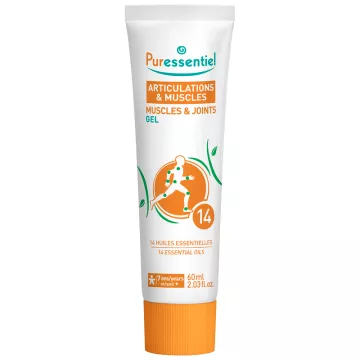
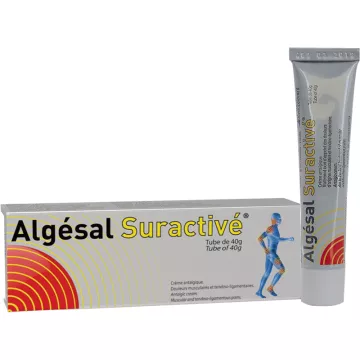
- Topical NSAIDs (patches, gels): systemic concentration 10–20 times lower than oral forms — see our line of anti-inflammatory patches
Natural analgesics: what evidence is there, and what combinations work?
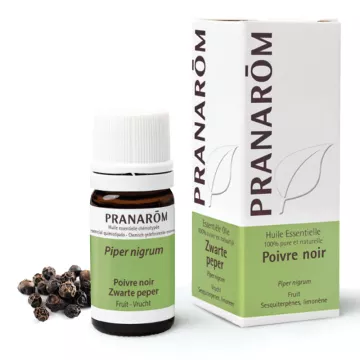
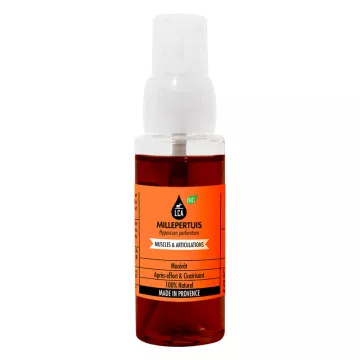
Several natural active ingredients have positive clinical data for inflammatory pain—either as a supplement to medication or as an alternative for mild cases. Find these formulas in our natural pain relievers line.
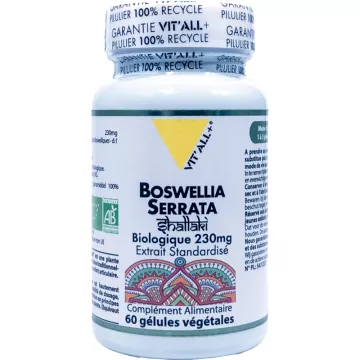
- Turmeric (curcumin): inhibits COX-2 and NF-kB — efficacy comparable to certain NSAIDs for osteoarthritic pain — bioavailable formulation required (with piperine or liposomal) — do not combine with anticoagulants without medical advice
- Ginger (gingerol): inhibits prostaglandins and leukotrienes—anti-nausea + analgesic—synergistic with turmeric
- Topical capsaicin: depletes substance P (a pain neurotransmitter) — cream or patch — gradual analgesic effect (3–4 weeks) on neuropathic and joint pain
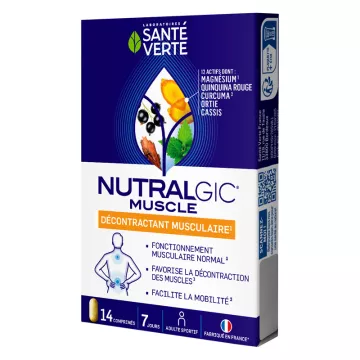
- Magnesium: antagonist of NMDA receptors involved in central sensitization — 300–400 mg/day — effective for chronic pain and muscle spasms
- Omega-3 (EPA/DHA): reduce pro-inflammatory mediators — documented benefits for mild to moderate joint and neuropathic pain
Dependence, Overdose, and Essential Precautions
- Opioid dependence: physical dependence possible after just 2–3 weeks of continuous treatment — never stop abruptly (withdrawal syndrome) — gradual tapering under mandatory medical supervision
- Paracetamol overdose: liver necrosis can occur with a single dose of 8–10 g in a healthy adult (half that amount in patients with liver impairment or alcoholism) — call 15 immediately without waiting for symptoms (they appear 24–72 hours later, by which time it is too late)
- Opioid overdose: respiratory depression, miosis, extreme drowsiness—life-threatening emergency—call 15—naloxone (antidote) available by prescription
- Alcohol + acetaminophen or NSAIDs: always avoid—increased risk of liver and gastrointestinal complications
- Pain resistant to first-line analgesics after 48–72 hours, or sudden, severe pain from the outset: seek medical attention immediately