An insect bite causes a local reaction that is often mild—redness, swelling, itching—which heals within 24 to 72 hours with proper care. Disinfection, soothing treatments, and topical antihistamines are sufficient for most cases. Certain situations require prompt medical attention, and some travel destinations call for enhanced medical precautions.
What is an insect bite?
An insect bite results from the injection of saliva, venom, or an irritant into the skin. The local reaction (swelling, redness, itching) is caused by the release of histamine. It varies depending on the insect, individual sensitivity, and the number of bites. Mosquitoes, wasps, bees, and ants are the most common culprits. Check out our selection of products in the insect bite care line.
What steps should you take and what products should you use if you get bitten?
Immediate and simple treatment helps limit the progression of symptoms.
- Clean the area with soap and water, then disinfect it with a product from our line of disinfectants and antiseptics
- Apply a cold compress for 10 to 15 minutes to reduce swelling and relieve pain
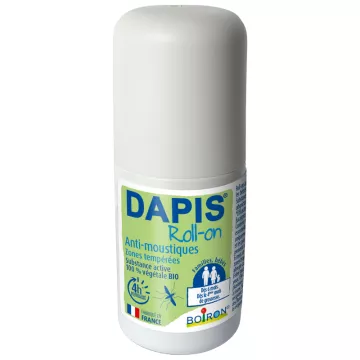
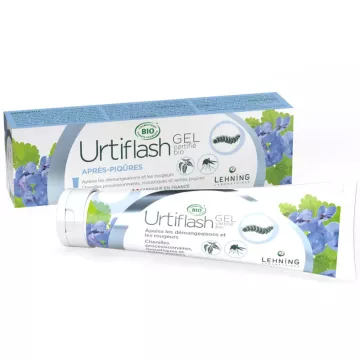
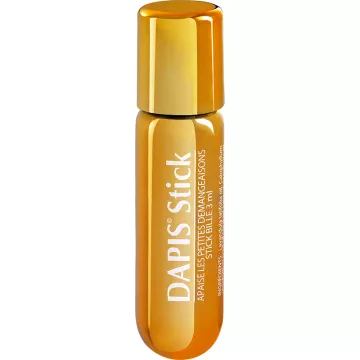
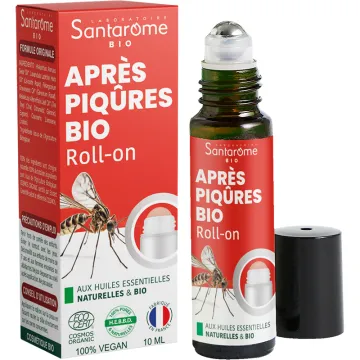
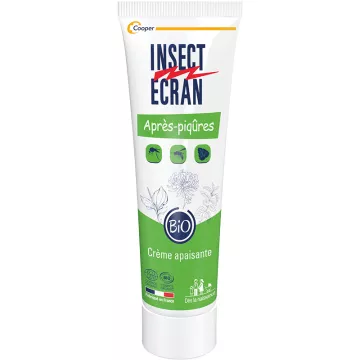
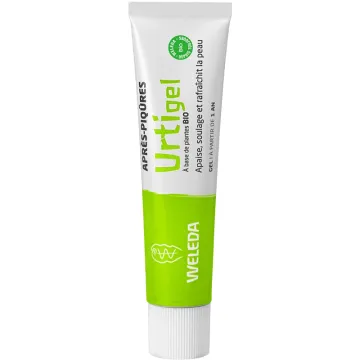
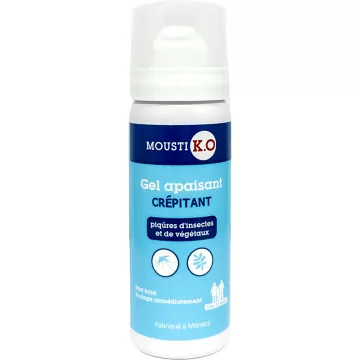
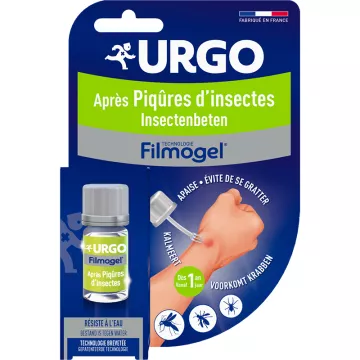
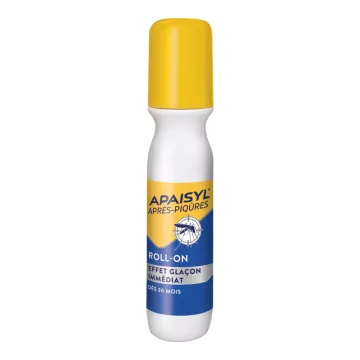
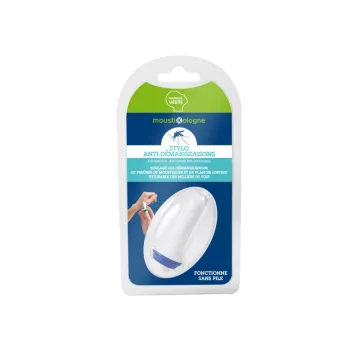
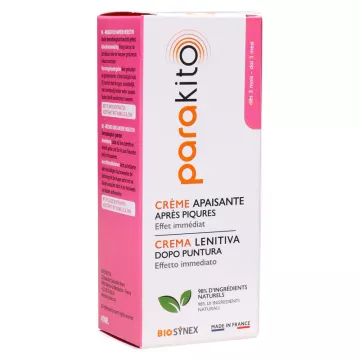
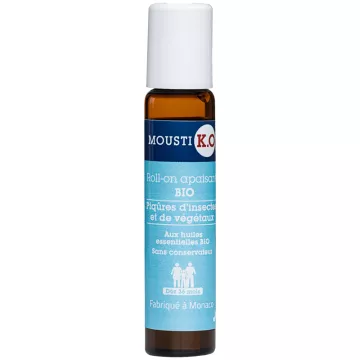
- Apply a soothing anti-bite gel to relieve itching and reduce local heat
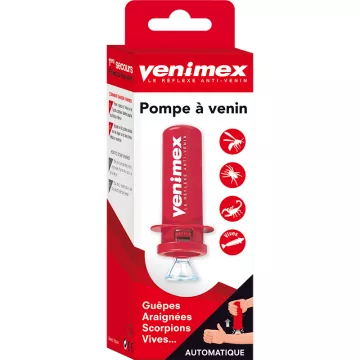
- For a bee sting: Remove the stinger by scraping it off without pinching
- Do not scratch: risk of bacterial infection and spread of lesions
Antihistamines for stings: Which ones should you choose?
Antihistamines block histamine, which is responsible for itching and local redness.
- Topical antihistamines (creams, gels): targeted action on the sting, available over the counter—apply to clean skin 2 to 3 times a day
- Oral antihistamines: for widespread reactions or multiple bites—cetirizine, loratadine, available over the counter
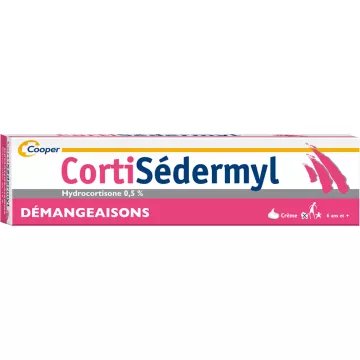
- Topical corticosteroids (low-strength hydrocortisone): for severe localized reactions—use in children only as directed by a doctor
- Selection of products from our anti-allergy line
Natural remedies for insect bites?
Natural alternatives effectively soothe mild reactions.
- Aloe vera gel: soothing, moisturizing, reduces local heat—apply undiluted to the bite
- Baking soda paste (thick consistency): neutralizes the acids in the venom (especially effective for bee stings)
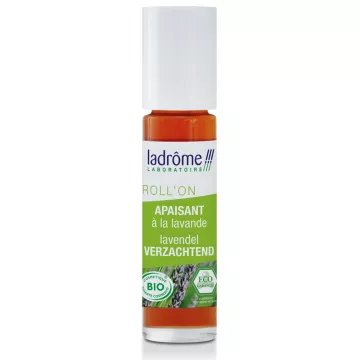
- True lavender essential oil: a few diluted drops—soothing action and mild repellent properties
- These remedies are complementary; they are not a substitute for antihistamines in the event of a severe reaction
Insect bites in children: care and precautions?
Treatment for children follows the same principles, with adjustments for pediatric cases.
- Immediate cold compress—avoid applying ice packs directly to the skin
- Soothing gel suitable for children; avoid applying near the eyes
- Oral antihistamines as directed by a doctor based on age and weight
- Watch for signs of anaphylaxis: widespread hives, difficulty breathing, or feeling unwell—call 15 or 112 immediately
- Discourage scratching: keep fingernails short, apply the gel regularly
What diseases can insect bites transmit?
In certain destinations, insect bites can transmit serious diseases requiring enhanced medical prevention.
- Malaria (Anopheles): tropical regions of Africa, Asia, and South America—prescription antimalarial medication depending on the destination
- Dengue, Zika, chikungunya (Aedes): intertropical regions—enhanced skin protection is essential
- Lyme disease (ticks): Europe, North America — systematic check for ticks after spending time in the woods
- Consult a travel medicine physician before any trip to an endemic area to develop a personalized prevention plan