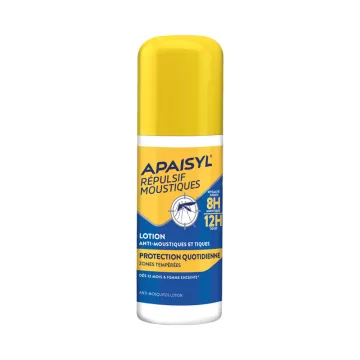
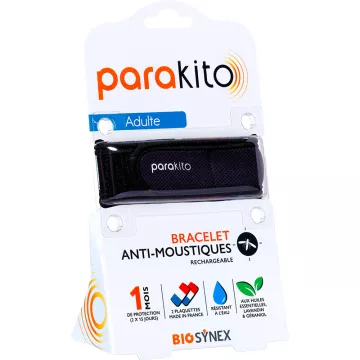
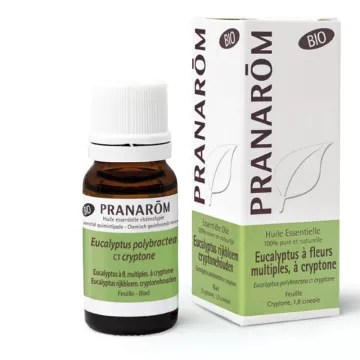
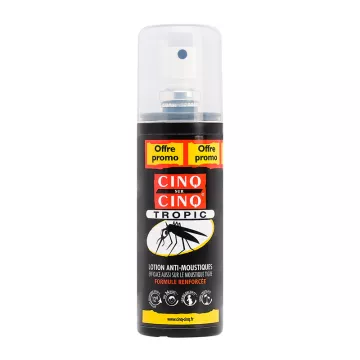
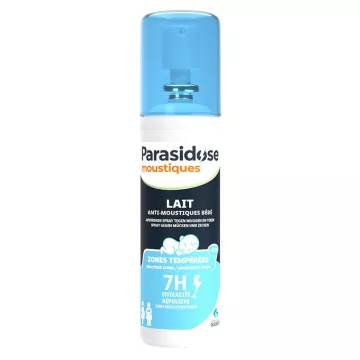
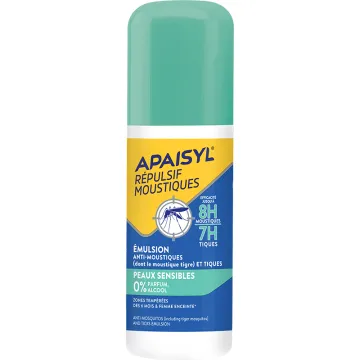
A malaria prevention and treatment strategy refers to all measures—both pharmacological and non-pharmacological—used to prevent or treat malaria, a potentially fatal parasitic disease caused by Plasmodium parasites transmitted through the bites of female Anopheles mosquitoes. Malaria causes more than 600,000 deaths worldwide each year, primarily in sub-Saharan Africa, and poses a real risk to any traveler visiting an endemic area without appropriate protection. Any malaria prophylaxis must be prescribed by a doctor or an international vaccination center before departure —self-medication is strongly discouraged. Over-the-counter mosquito repellents are available in the store’s mosquito repellent section.
The populations most at risk for severe forms of the disease are children under 5 years of age, pregnant women (risk of preterm birth and severe anemia), immunocompromised individuals, and non-immune travelers coming from non-endemic areas. Any fever occurring in the days or weeks following return from a malaria-endemic area constitutes a medical emergency until proven otherwise—seek emergency care immediately (call 15 if you have a high fever with signs of severe illness).
Prevention relies on a layered, complementary approach, as no single measure is sufficient on its own:
Any preparation for a trip to a malaria-endemic area should begin with a medical consultation at least 4 to 6 weeks before departure —at an international vaccination center, with your primary care physician, or at a specialized pharmacy. The healthcare professional will tailor the prophylaxis to the area being visited (low, moderate, or high risk of chloroquine-resistant Plasmodium falciparum ), the length of the stay, age, medical history, and any pregnancies. Up-to-date recommendations are available on the Ministry of Health’s website (BEH Health Recommendations for Travelers) and on the ANSM website.
If you develop a fever after returning from travel—even a mild one, even several weeks after returning—seek emergency medical care and always mention your destination. Malaria can develop up to 2 months after return for P. falciparum and up to several years for P. vivax or P. ovale. Diagnosis is based on a thick smear and a blood smear—tests that must be performed immediately. Call 15 if you have a high fever with chills, severe headaches, or altered consciousness upon returning from a high-risk area.