What is Waterdrop Microlyte Cubes?
Rediscover functional hydration with Waterdrop Microlyte Cubes, an innovative solution designed for athletes, active people and anyone who wants to boost their vitality without sugar. Each effervescent cube transforms your water into a fruity drink, rich in electrolytes and vitamins, ideal before, during or after exercise. Its sugar-, preservative- and caffeine-free formula respects your physiological needs while offering a refreshing taste experience.
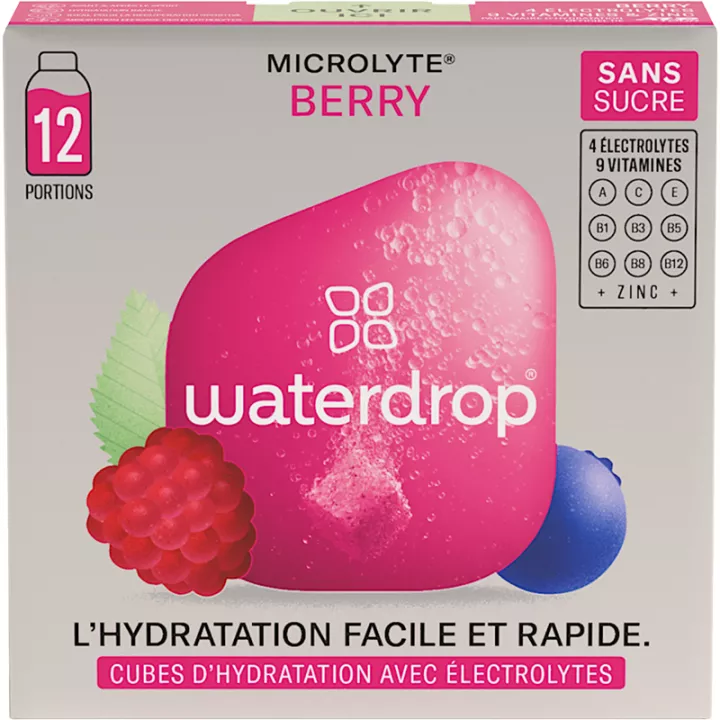
The Berry version of Waterdrop Microlyte contains 4 essential electrolytes: Sodium, Calcium, Magnesium and Chloride. These minerals help maintain hydro-electrolyte balance, support muscle function and aid nerve transmission. During exercise, or in hot weather, they keep your body hydrated and performing at its best.
Enriched with 9 vitamins (including C, B6, B12, Niacin, Folic Acid...) and Zinc, Waterdrop Microlyte helps support your natural defenses, reduce fatigue and boost your cognitive and physical performance. These micronutrients work in synergy to support your body through all phases of the day, without glycemic peaks or stimulants.
Designed to enrich your water with electrolytes and essential vitamins, Waterdrop Microlyte Cubes offer a healthy alternative to commercially available sugary and energy drinks. With no added sugar, caffeine or artificial coloring, they boost daily hydration while meeting your nutritional targets. The Berry version also contains Zinc, for enhanced immune support.
Ultra-compact, Waterdrop Microlyte cubes are easy to use anywhere: at work, at the gym or on the move. Simply melt them in 400 to 600 ml of water to instantly enjoy a functional drink. Their lightweight, recyclable format also helps reduce environmental impact, by limiting the use of disposable plastic bottles.
Give your water a new sensory experience, with natural Blackcurrant, Grapefruit or Berry flavors. These fruity combinations don't just add flavour: they turn every sip into a healthy gesture, without sugar or calories. Ideal for maintaining the pleasure of drinking throughout the day, while benefiting from essential micronutrients.
Weleda Arnica Bain Récupération Sportive 200 ml is also available at the best price in our online pharmacy.
How do I use Waterdrop Microlyte Cubes Vegan?
Pour between 400 and 600 ml of fresh water into a bottle or glass. Drop in a Waterdrop Microlyte cube and allow it to dissolve completely. Once the solution is homogeneous, stir gently if necessary, then enjoy immediately to benefit fully from the vitamins and electrolytes. Instant pleasure with no added sugar!
Give your opinion on the advice for use and dosage of Waterdrop Microlyte Cubes with our partner Avis Vérifiés after your purchase.
Precautions for use
- Sugar-free, gluten-free, preservative-free, caffeine-free
- Suitable for vegan and diabetic diets
- Do not exceed recommended consumption: 1 cube per 400-600 ml
- Consume as part of a healthy lifestyle
- Store dry, away from heat and light
- Keep out of reach of children
- Not to be used as a substitute for a balanced meal
- Not recommended in cases of hypersensitivity to any of the ingredients.
What is the composition of these functional drinks?
Blackcurrant
Ingredients :
Acidifier : Citric Acid, Acidity Correctors: Sodium Carbonates, Potassium Carbonates, Acai Extract, Blackcurrant Leaf Extract, Blackcurrant Powder, Natural Flavor, Elderberry Powder, Acidity Corrector: Magnesium Carbonates, Sweetener: Steviol Glycosides from Stevia, Acidity Corrector: Calcium Carbonate, Vitamin C, Color : Anthocyanins, Vitamin B6, Vitamin B12
Average nutritional values after preparation
| Component |
Per 100 ml |
NRV* |
Per 500 ml (1 cube) |
VNR* |
| Energy |
4 kJ / 1 kcal |
- |
19 kJ / 4 kcal |
- |
| Fat content |
0 g |
- |
0 g |
- |
| of which saturated fatty acids |
0 g |
- |
0 g |
- |
| Carbohydrates |
0 g |
- |
0 g |
- |
| of which sugars |
0 g |
- |
0 g |
- |
| Dietary fiber |
0 g |
- |
0 g |
- |
| Protein |
0 g |
- |
0 g |
- |
| Salt |
0,05 g |
- |
0,23 g |
- |
| Vitamins |
| Vitamin C |
4 mg |
5 %* |
20 mg |
25 %* |
| Vitamin B6 |
0.13 mg |
9 %* |
0.63 mg |
45 %* |
| Vitamin B12 |
0.20 µg |
8 %* |
1.0 µg |
40 %* |
*Percentage of nutritional reference values (NRV)
Grapefruit
Ingredients :
Acidifier : Citric Acid, Natural Grapefruit Flavor, Acidity Correctors: Sodium Carbonates, Potassium Carbonates, Acidifier: Malic Acid, Sweetener : Sucralose, Beetroot Color Concentrate, Vitamin C, Acidity Corrector: Calcium Carbonate, Niacin, Pantothenic Acid, Vitamin B6, Thiamine, Color : Carotenoids, Folic Acid, Vitamin B12
Average nutritional values after preparation
| Component |
Per 100 ml |
NRV* |
Per 500 ml (1 cube) |
VNR* |
| Energy |
5 kJ / 1 kcal |
- |
23 kJ / 5 kcal |
- |
| Fat content |
0 g |
- |
0 g |
- |
| of which saturated fatty acids |
0 g |
- |
0 g |
- |
| Carbohydrates |
0 g |
- |
0 g |
- |
| of which sugars |
0 g |
- |
0 g |
- |
| Protein |
0 g |
- |
0 g |
- |
| Salt |
0,03 g |
- |
0,14 g |
- |
| Vitamins |
| Vitamin C |
4 mg |
5 %* |
20 mg |
25 %* |
| Thiamine |
0.06 mg |
5 %* |
0.28 mg |
25 %* |
| Niacin |
0.8 mg |
5 %* |
4 mg |
25 %* |
| Vitamin B6 |
0.07 mg |
5 %* |
0.35 mg |
25 %* |
| Folic Acid |
10 µg |
5 %* |
50 µg |
25 %* |
| Vitamin B12 |
0.13 µg |
5 %* |
0.63 µg |
25 %* |
| Pantothenic acid |
0.3 mg |
5 %* |
1.5 mg |
25 %* |
*Percentage of nutritional reference values (NRV)
Berry
Ingredients :
Acidifier : Citric Acid, Potassium Chloride, Acidity Corrector: Calcium Phosphates, Magnesium Carbonate, Sodium Carbonate, Natural Flavor, Vitamin C, Calcium Carbonate, Sweetener: Stevia Steviol Glycosides, Zinc Gluconate, Niacin, Vitamin E, Pantothenic Acid, Color : Anthocyanins, Vitamin B6, Thiamine, Vitamin A, Biotin, Vitamin B12
Average nutritional values after preparation
| Component |
Per 100 ml |
NRV* |
Per 500 ml (1 cube) |
VNR* |
| Energy |
3 kJ / 1 kcal |
- |
15 kJ / 4 kcal |
- |
| Fat content |
0 g |
- |
0 g |
- |
| of which saturated fatty acids |
0 g |
- |
0 g |
- |
| Carbohydrates |
0 g |
- |
0 g |
- |
| of which sugars |
0 g |
- |
0 g |
- |
| Dietary fiber |
0 g |
- |
0 g |
- |
| Protein |
0 g |
- |
0 g |
- |
| Salt |
0,03 g |
- |
0,16 g |
- |
| Vitamins |
| Vitamin C |
16 mg |
20 %* |
80 mg |
100 %* |
| Vitamin A |
32 µg |
4 %* |
160 µg |
20 %* |
| Vitamin E |
0.72 mg |
6 %* |
3.6 mg |
30 %* |
| Thiamine |
0.11 mg |
10 %* |
0.55 mg |
50 %* |
| Niacin |
1.6 mg |
10 %* |
8 mg |
50 %* |
| Vitamin B6 |
0.14 mg |
10 %* |
0.7 mg |
50 %* |
| Vitamin B12 |
0.25 µg |
10 %* |
1.3 µg |
50 %* |
| Biotin |
5 µg |
10 %* |
25 µg |
50 %* |
| Pantothenic acid |
0.6 mg |
10 %* |
3 mg |
50 %* |
| Minerals |
| Magnesium |
11.3 mg |
3 %* |
56.3 mg |
15 %* |
| Calcium |
24 mg |
3 %* |
120 mg |
15 %* |
| Chloride |
24 mg |
3 %* |
120 mg |
15 %* |
| Zinc |
0.3 mg |
3 %* |
1.5 mg |
15 %* |
*Percentage of nutritional reference values (NRV)
Presentation
Waterdrop Microlyte Cubes - box of 12 - Blueberry
Waterdrop Microlyte Cubes - box of 12 - Berry
Waterdrop Microlyte Cubes - box of 12 - Grapefruit
Our expert advice on natural health
The importance of electrolytes in sports cannot be underestimated. These essential minerals play a crucial role in water balance, muscle and nerve function, and body temperature regulation. Here are the main reasons why it's important to consume electrolytes when doing sport.
Firstly, sweating is a natural process that helps regulate body temperature during exercise. However, sweating also results in the loss of electrolytes, mainly in the form of sodium and chloride. An imbalance in electrolytes can lead to muscle cramps, general weakness and reduced sporting performance. Athletes therefore need to compensate for these losses by consuming electrolyte-rich drinks or foods to maintain their fluid balance and promote optimal recovery. Secondly, electrolytes are essential for nerve function. Nerve cells use electrolyte ions to transmit electrical signals throughout the body, enabling efficient communication between the brain and muscles. Adequate electrolyte intake during exercise ensures that reflexes and coordination remain optimal, which is crucial for sports performance.
In addition, electrolytes such as calcium, potassium and magnesium are essential for muscle contraction. Insufficient electrolyte intake can lead to weak and inefficient muscle contractions, which in turn impairs performance and increases the risk of injury. Consuming electrolytes during exercise therefore helps maintain optimal muscle strength and prevent musculoskeletal problems. Finally, electrolytes are important for the body'sacid-base balance. Intense exercise can lead to the production of lactic acid, resulting in a drop in blood pH and acidosis. Electrolytes, particularly sodium bicarbonate, help neutralize excess acid and maintain pH balance, promoting faster recovery and better endurance.
In short, consuming electrolytes during sport is essential for maintaining optimal performance, rapid recovery and overall health. Athletes should therefore take care to incorporate sources of electrolytes into their diet to reap the full benefits of exercise.
What's the difference between electrolytes and BCAAs?
Electrolytes and BCAAs (Branched-Chain Amino Acids) are two types of essential nutrients that play an important role in sports performance and recovery. However, they perform distinct functions in the body and have fundamental differences.
Electrolytes are essential minerals with an electrical charge, such as sodium, potassium, calcium, magnesium and chloride. They are needed to maintain the body'swater balance, regulate nerve and muscle function, and controlacid-base balance. During sporting activities, electrolytes are lost through perspiration, and it is important to replace them to avoid dehydration and mineral imbalances.
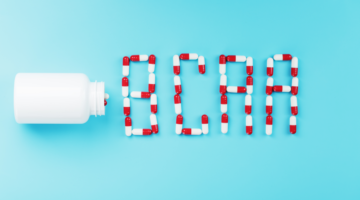
BCAAs, on the other hand, are a group of three essential amino acids: leucine, isoleucine and valine. These amino acids cannot be synthesized by the body and must be obtained through the diet. BCAAs play a key role in protein synthesis, the maintenance of muscle mass and recovery from intense exercise. They are also involved in blood sugar regulation and energy production during exercise.
The main difference between electrolytes and BCAAs therefore lies in their function and composition. Electrolytes are minerals that help maintain water balance and nerve and muscle function, while BCAAs are amino acids that promote muscle growth and recovery.