Baryta carbonica 4CH, 5CH, 7CH, 9CH, 12CH, 15CH, 30CH Boiron Homeopathic Granules
Homeopathic remedy obtained by diluting barium carbonate, a mineral salt extracted from witherite.
Registered medication: EH00042
Listed in the pharmacopoeia
Origin: Synthetic
Discover Boiron’s Baryta carbonica homeopathic granules to treat a range of conditions, from ENT issues to aging. Relieve your symptoms with a natural and effective solution.
Properties of Baryta carbonica
A homeopathic remedy valued for its many therapeutic benefits.
This product is obtained by diluting barium carbonate, a mineral salt extracted from witherite.
Restore Your Well-Being with Baryta carbonica
A Holistic Solution for Various Conditions
Baryta carbonica granules in various dilutions offer a holistic solution for a wide range of conditions, from ENT disorders to age-related ailments. In ENT medicine, they are used to treat ear infections, white tonsillitis, laryngitis, and chronic tonsillitis, as well as chronic bronchitis. In urology, they are recommended forprostate adenoma and prostate enlargement. For age-related conditions, they stimulate memory in the elderly, treat bone degeneration, and may help with early-onset dementia. With Baryta carbonica, you have a versatile ally for your health.
Sensitivity to Environmental Conditions
The clinical symptoms associated with Baryta carbonica are sensitive to environmental conditions. They are often worsened by cold, humidity, and thinking about one’s illness, but can be improved by being outdoors and being alone. This sensitivity provides important insights for adapting your lifestyle and environment to better manage your symptoms. With Baryta carbonica, you can take proactive steps to improve your well-being.
Simple and Practical Instructions for Use
Baryta carbonica granules are easy to use. Simply flip and twist the cap to dispense the granules from the tube. For adults and children over 6 years old, just let the granules dissolve under the tongue. For children under 6 years of age, dissolve the granules in a small amount of water. With these simple instructions, you can easily incorporate Baryta carbonica into your daily routine.
FAQ
1. How do I use Baryta carbonica?
To use Baryta carbonica, turn the cap upside down and twist it to remove the granules from the tube. Let the granules dissolve under the tongue for adults and children over 6 years of age. For children under 6 years of age, dissolve the granules in a little water.
2. What clinical symptoms does Baryta carbonica treat?
Baryta carbonica is used to treat a variety of conditions, including ENT disorders, urological problems, and age-related conditions.
3. Are there any side effects associated with the use of Baryta carbonica?
Baryta carbonica is generally well tolerated, but as with any medication, adverse reactions may occur in some people. If you experience any adverse side effects, stop taking the medication and consult a healthcare professional.
4. What is the recommended dosage for bone degeneration?
For degenerative bone conditions, the recommended dosage is 9 granules per day, divided into 3 doses of Baryta carbonica 4CH.
Indications for Baryta carbonica
Baryta carbonica is primarily recommended for the treatment of various conditions affecting the elderly, as well as for certain mental health disorders. However, this remedy can also be used to treat respiratory conditions in children.
Age-Related Conditions
Baryta carbonica is a homeopathic remedy that helps stimulate memory.
It is therefore recommended for older adults with certain memory-related disorders.
In addition, taking Baryta carbonica is also recommended for people with sleep disorders such as frequent anxiety-inducing dreams or a constant tendency to fall asleep.
Various circulatory conditions caused by aging, such as atherosclerosis or lymph node disorders, can be treated with Baryta carbonica.
Respiratory Diseases
Baryta carbonica is also indicated for childhood respiratory or ENT conditions such as ear infections, white throat infections, laryngitis, and chronic tonsillitis.
In addition, respiratory conditions such as the common cold or chronic bronchitis can also be relieved by taking this homeopathic remedy.
It should be noted that this remedy is especially recommended if these conditions are caused by exposure to cold.
Other therapeutic indications for Baryta carbonica
Certain genitourinary conditions, such as prostate adenoma or decreased libido, can also be treated with this remedy.
In addition, various types of digestive disorders, such as chronic diarrhea and its accompanying symptoms, can be relieved by taking Baryta carbonica, as well as certain bone-related problems such as decalcification or growth retardation.
Finally, skin eruptions such as warts or acne can be treated with Baryta carbonica.
Understanding and Treating Amenorrhea with Homeopathy
Amenorrhea, or the absence of menstruation, is a normal phenomenon when linked to physiological conditions such as pregnancy, breastfeeding, or menopause. Outside of these cases, amenorrhea often signals a hormonal imbalance that can be caused by various factors: obesity, stress, anxiety, birth control use, or even intensive participation in extreme sports. When a woman or young girl experiences this type of amenorrhea, it is crucial to treat the condition effectively, as a prolonged absence of menstruation could lead to fertility issues.
Homeopathy offers several natural remedies that may prove useful in treating this type of amenorrhea and restoring hormonal balance.
- Baryta Carbonica, Cyclamen, Pulsatilla 5CH, or Graphites 5CH: These remedies are recommended forprimary amenorrhea—that is, when menstruation has never begun—typically in young girls.
- Folliculinum 30 CH: This remedy is recommended forsecondary amenorrhea, that is, when menstruation stops after having been regular.
Through a gentle and individualized approach, homeopathy offers solutions for treating abnormal amenorrhea by taking into account the unique characteristics of each case. Consulting a professional is recommended to tailor the homeopathic treatment to each patient’s specific symptoms.
Dosage of Baryta carbonica
Recommended Dosages for Age-Related Conditions
For the treatment of cognitive disorders, such as memory loss in the elderly, therecommended dose of Baryta carbonica is 3 granules, 3 times a day. The ideal dilution for this type of condition is 9 CH.
Recommended dosages for respiratory conditions
For ENT conditions, such astonsillitis or ear infections, it is recommended to use Baryta carbonica in a low dilution (5 CH).
For specific respiratory disorders such assenile asthma, treatment may require an extended period of several years to achieve a complete cure.
Dosages for Other Homeopathic Indications
For conditions related toblood circulation, such asatherosclerosis or episodes of high blood pressure, the recommended dilution of Baryta carbonica is 15 CH. This remedy is also recommended forprostate adenoma.
For bone degeneration, the recommended dosage of Baryta carbonica in 5 CH is 9 granules per day, divided into 3 doses.
It is always advisable to consult a healthcare professional or a homeopath to adjust the dosage and dilution according to each patient’s individual needs.
Tips for Using Baryta carbonica and Directions for Use
Remove the tab, turn the Baryta carbonica tube upside down, and gently pull the cap.
Turn the tube to dispense the desired number of granules into the cap, then place the granules under the tongue.
It is recommended not to touch the homeopathic granules or globules with your fingers.
The globules from the dose tubes are taken all at once by allowing them to dissolve slowly under the tongue. If a specific dose is not available, take 10 granules of the same dilution.
Do not consume astringent substances—such as coffee, tobacco, camphor, mint, or chamomile—within half an hour before taking homeopathic remedies.
Use a mint-free toothpaste (such as Homéodent Boiron, a toothpaste compatible with taking homeopathic granules).
Baryta carbonica Packaging and Contents
Translucent granule tube (allows you to see the remaining granules).
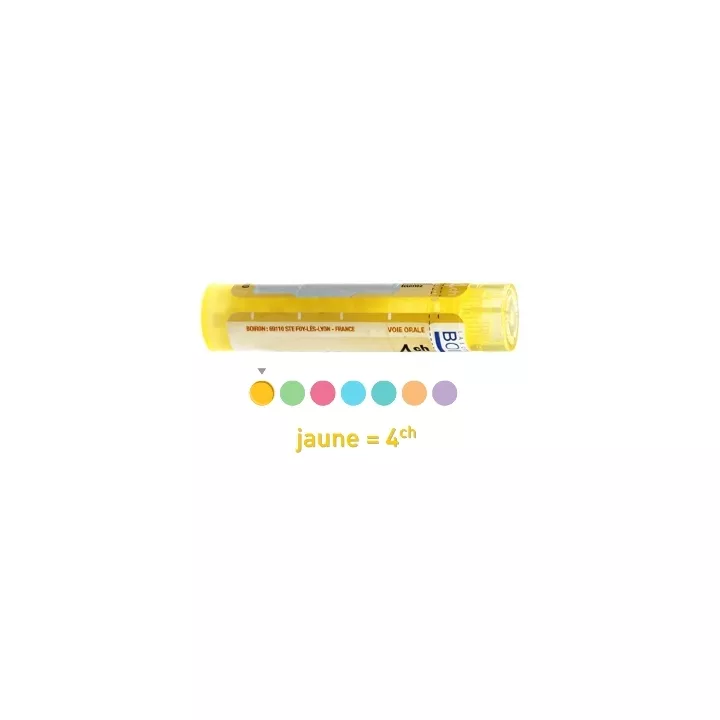
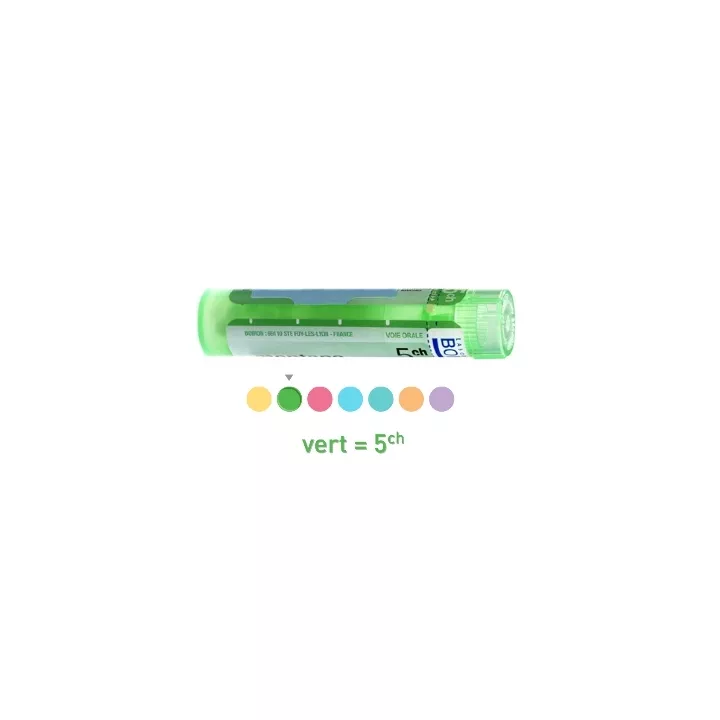
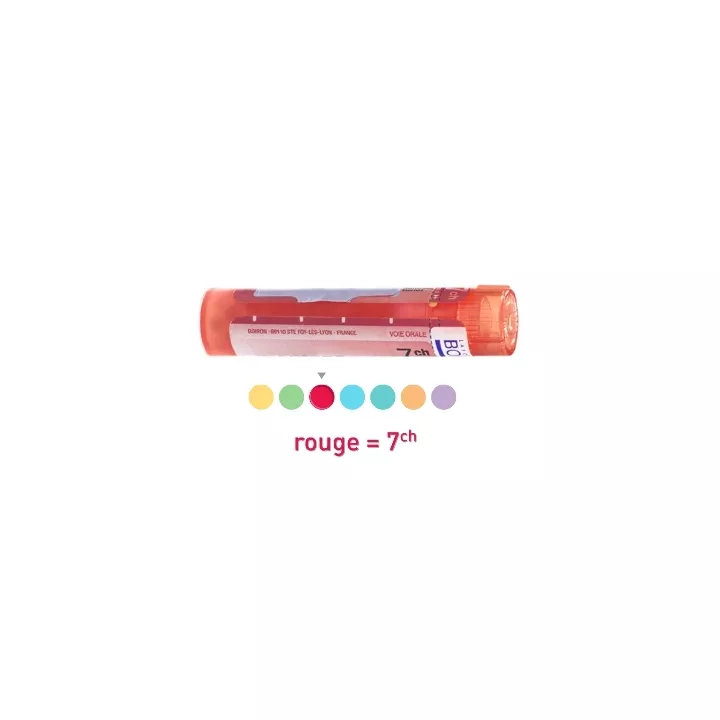
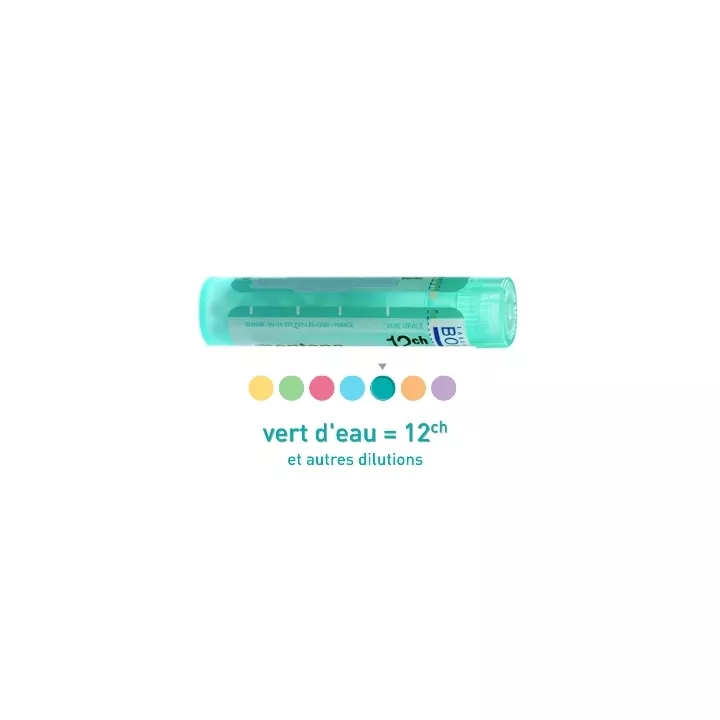
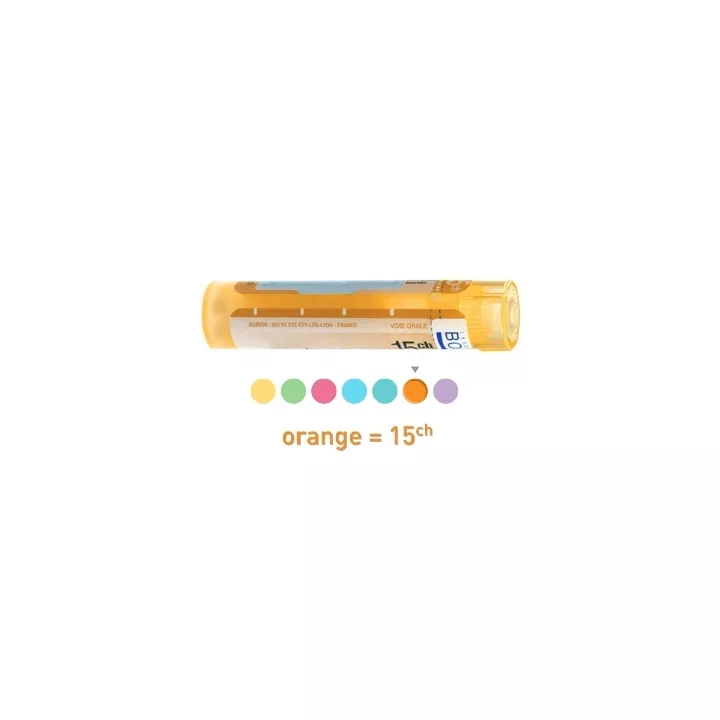
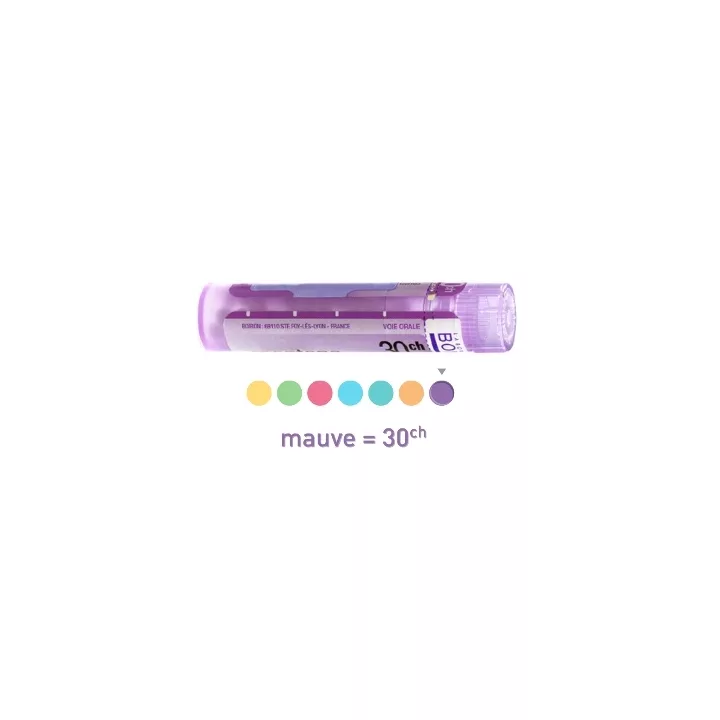
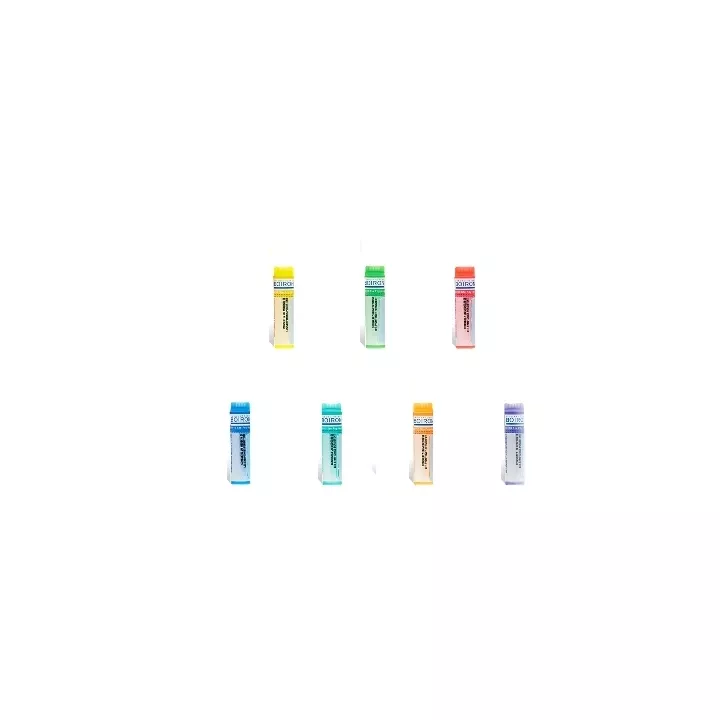
Each tube color corresponds to a dilution:
Yellow 4CH, Green 5CH, Red 7CH, Blue 9CH, Sea Green 12CH, Orange 15CH, Purple 30CH
Weight: 4 g. Approximately 80 granules.
Baryta carbonica, with its synthetic origin and registration under number EH00042, is an essential component in the field of homeopathy. Recognized and listed in the French and European Pharmacopoeias, this strain perfectly illustrates the union of scientific rigor and traditional homeopathic principles, offering a variety of preparations suited to a wide range of conditions and therapeutic needs.
Origin and Composition
The synthetic nature of Baryta carbonica marks a significant advance in the synthesis of homeopathic remedies, enabling a high degree of standardization and reproducibility in treatments. This characteristic underscores homeopathy’s evolution toward the integration of modern manufacturing processes, while respecting the holistic foundations of this medical practice.
Formulations and Potencies
The availability of Baryta carbonica in a wide variety of formulations—including doses and tubes, as well as compounded preparations—demonstrates flexibility in its clinical application. Its availability in Hahnemannian dilutions starting at 3 CH and in Korsakovian dilutions at 200K, 1,000K, and 10,000K—offers practitioners the ability to tailor treatment to the individual, thereby adhering to the fundamental principles of homeopathy.
Pharmaceutical Recognition and Quality Assurance
The inclusion of Baryta carbonica in the French and European pharmacopoeias is the result of a rigorous validation process, attesting to its efficacy and safety for patients. This crucial step ensures that the available preparations meet the highest quality standards, reinforcing confidence in homeopathy as a valid therapeutic option.
Therapeutic Applications
Baryta carbonica is sought after for its potential to treat a variety of conditions, demonstrating remarkable adaptability to various pathologies. Its application ranges from age- and development-related disorders to more specific conditions requiring a targeted and individualized approach—a hallmark of homeopathy.
Baryta carbonica: A Symbol of Innovation and Tradition
Baryta carbonica embodies the balance between scientific innovation and respect for homeopathic traditions. Its inclusion in the modern pharmacopoeia, its availability in a wide range of dilutions, and its synthetic origin reflect homeopathy’s ongoing evolution toward a recognized and scientifically validated form of complementary medicine. This remedy illustrates homeopathy’s commitment to providing personalized and precise care, marking an important milestone in the quest for a therapeutic approach that is both holistic and evidence-based.
Precautions for the Use of Baryta carbonica
Warning
Contains sucrose.
Store Baryta carbonica homeopathic remedies away from light, heat, moisture, and any sources of fumes or fragrances.
Administering homeopathic granules to infants and children
For Baryta carbonica granules or alcohol-based drops, dissolve them in 100 ml of water. Since the granules take a long time to dissolve, you should prepare the mixture in advance.
Homeopathy and Pregnancy
Homeopathic remedies have no chemical toxicity, no contraindications, no interactions with other medications, and no adverse effects related to the amount ingested. Pregnant women can use them without any known risk to themselves or their unborn child, but it is best to seek advice.
Frequency of Homeopathic Use
For acute conditions, it is recommended to take homeopathic remedies every hour until symptoms improve. Once symptoms improve, doses should be spaced out to 3 or 4 times a day, then gradually discontinued.
For chronic conditions, remedies in low dilutions (> 9CH) are taken 1 to 2 times a day, while constitutional remedies are taken once a week or even once a month. This decision is up to the homeopath.
What to Do If There Is No Improvement Within 24 Hours
Certain conditions cannot be treated with homeopathy through self-medication alone. Their severity requires medical advice, which can be provided by a homeopathic physician. This physician will determine whether your condition can be treated with homeopathy alone or whether your treatment needs to be supplemented with allopathic medicine.