Memory Loss: Normal or Pathological—What's the Difference?
Memory loss is one of the most common complaints in general practice. It is essential to distinguish between normal cognitive aging and pathological disorders:
- Mild age-related forgetfulness: forgetting proper names, having a word “on the tip of one’s tongue,” with the possibility of spontaneous recall. This type of forgetfulness does not interfere with daily functioning and does not progress rapidly.
- Mild Cognitive Impairment (MCI): a decline detectable through neuropsychological testing, without significant impact on daily activities. In 10 to 15% of cases, MCI precedes the development of dementia within 5 years. A medical evaluation is necessary for diagnosis.
- Dementias (Alzheimer’s disease, vascular dementia): severe and progressive memory loss that affects daily activities, diagnosed by a medical specialist.
Any rapid change in memory that occurs before age 60 or is accompanied by disorientation or personality changes warrants an urgent medical consultation.
Nutritional Deficiencies and Reversible Memory Loss: The Evaluation
Several deficiencies can cause reversible memory loss once corrected:
- Vitamin B12: the most common nutritional cause of reversible memory problems. A deficiency can develop silently over many years. It is highly prevalent in people over 60, among vegans, and in patients taking metformin. Serum testing is essential in cases of unexplained memory problems.
- Vitamin B9 (methylfolate): Deficiency raises homocysteine levels (a neurotoxin). A level > 11 µmol/L is associated with a measurable reduction in hippocampal volume and a threefold increased risk of cognitive decline in longitudinal studies.
- Vitamin D3 deficiency (< 20 ng/mL): associated with a 1.5- to 2-fold increased risk of cognitive decline in several cohorts.
- Iron deficiency (low ferritin): reduces dopamine/norepinephrine synthesis, leading to cognitive slowing before overt anemia develops.
Does Centella asiatica improve memory and cognition?
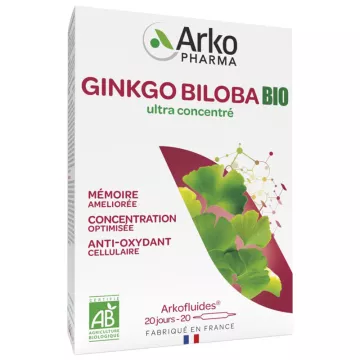
Centella asiatica (Gotu Kola) is an Ayurvedic medicinal plant whose effects on memory are clinically documented. Its triterpenes (asiaticoside, madecassoside):
- Stimulate BDNF and NGF, promoting hippocampal neurogenesis and synaptic density—direct mechanisms of memory consolidation.
- Improve cerebral microcirculation by strengthening the capillary walls.
- Randomized clinical trials (Wattanathorn, 2008) show improvements in working memory and cognition in older adults after 2 months of supplementation.
- Documented anti-amyloid mechanism in vitro: reduces the aggregation of beta-amyloid proteins.
Does Bacopa monnieri slow age-related memory loss?
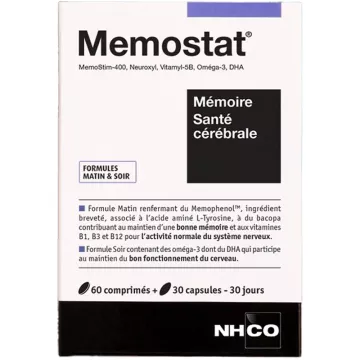
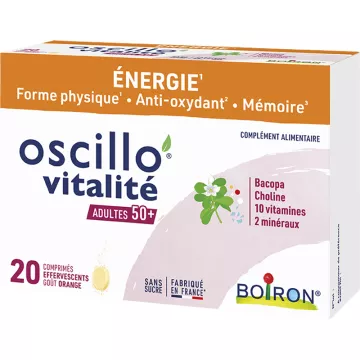
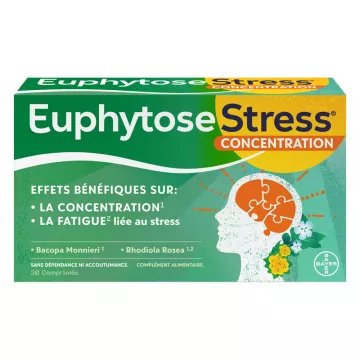
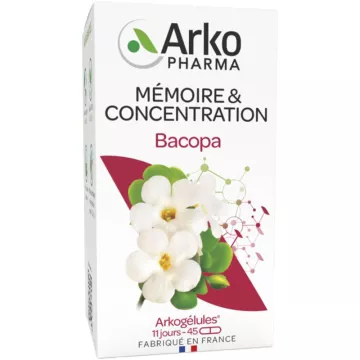
Bacopa monnieri is the best-documented cognitive adaptogen for age-related memory decline. Its bacosides increase the density of hippocampal cholinergic receptors and reduce acetylcholinesterase activity—a mechanism similar to, but milder than, that of pro-cholinergic medications prescribed for Alzheimer’s disease. Meta-analyses (Pase et al., 2012) confirm a significant improvement in episodic memory and learning speed after 12 weeks in adults over 55 years of age. Dosage: 300 to 600 mg/day of standardized extract containing at least 20% bacosides for a minimum of 12 weeks.
Omega-3 and N-acetylcysteine for memory loss?
Two active ingredients that act through complementary neuroprotective mechanisms:
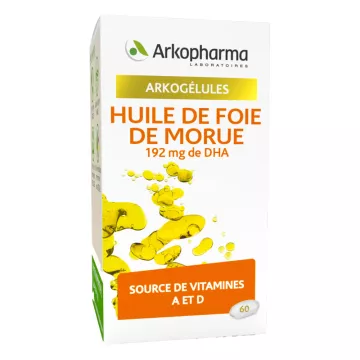
- Omega-3 DHA: maintains membrane fluidity in hippocampal neurons and stimulates BDNF. Meta-analyses show that DHA supplementation (900 mg to 1.8 g/day) slows memory decline in adults over 55 with subjective memory lapses.
- N-acetylcysteine (NAC): a precursor to glutathione, the primary intracellular neuronal antioxidant. Oxidative stress in the brain is a major mechanism underlying accelerated memory decline. NAC crosses the blood-brain barrier and reduces hippocampal atrophy in preclinical studies, with promising preliminary data from human studies.
Which lifestyle factors are most effective at preserving memory?
Beyond supplements, lifestyle factors have a greater impact:
- Aerobic physical activity (150 min/week): the only neuroprotective intervention proven in randomized trials—reduces the risk of dementia by 30 to 45%.
- Control of vascular risk factors (high blood pressure, diabetes, dyslipidemia): Vascular dementia is the second leading cause of dementia.
- 7 to 9 hours of sleep: the glymphatic clearance of beta-amyloid during deep sleep is irreplaceable.
- Continuous intellectual stimulation and an active social life: these strengthen cognitive reserves that delay the onset of disease, even in the presence of lesions.