What dry hair care routine should you follow for deep nourishment?
Generally, when your skin is dry, it’s a sign that it’s lacking moisture, and to rehydrate it, all you usually need is the right moisturizer. But when it comes to dry hair and that very unattractive “straw-like” look, taking action isn’t as simple as it is for your skin. In fact, if your hair is dry and parched, it’s not simply because it lacks water—it’s because the entire hair shaft has been weakened, and there’s a deficiency in sebum production—which normally protects the hair—or it’s suffering from external aggressors: cold, sun, pollution, wind, and exposure to ocean or pool water. In these cases, incorporating natural treatments for dry hair —based on plant butters or nourishing oils—can gradually restore the hair’s vitality.
In excessive amounts, the sun becomes the enemy. It dries out the scalp and alters its pH, which can lead to dandruff. This phenomenon is the same as when skin peels after a sunburn.
To care for and pamper your hair, you should follow a specific hair care routine twice a week.
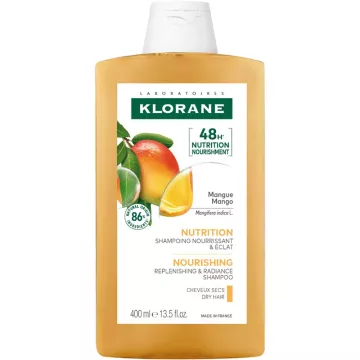
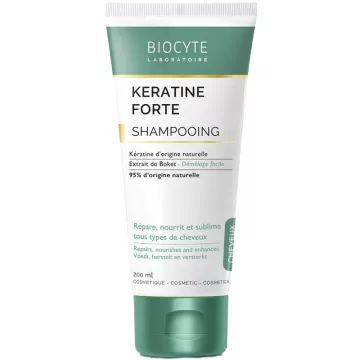
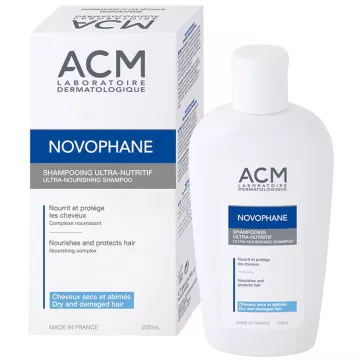
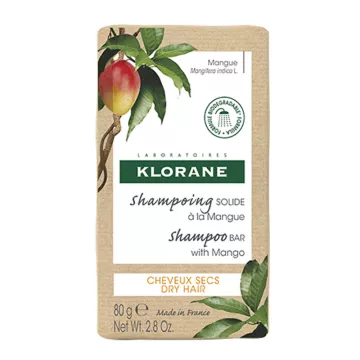
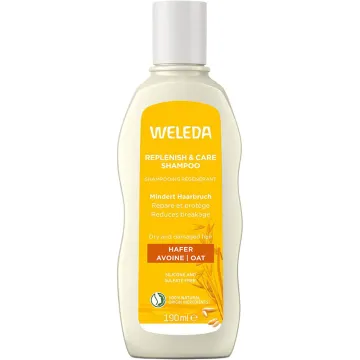
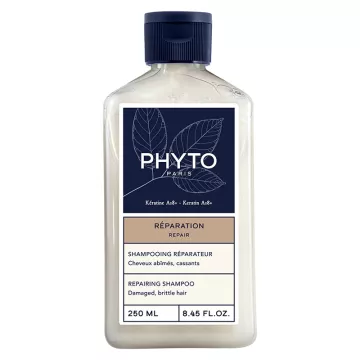
- Start with an ultra-gentle, nourishing shampoo that removes chlorine and salt from the hair while deeply repairing it.
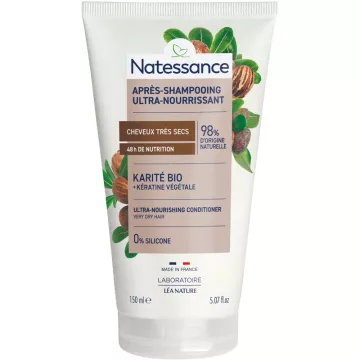
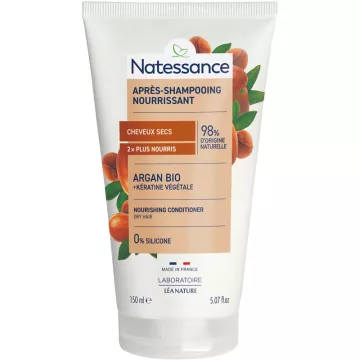
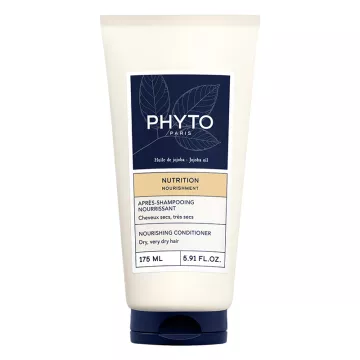
- After shampooing comes… the conditioner! Apply it from the mid-lengths to the ends and let it sit for 3 to 5 minutes for best results.
What shampoos should you use for dry, damaged hair?
It’s not a good idea to wash your hair too often if it’s dry, even if you’re trying to “rehydrate” it. In fact, when hair is dry, it should simply be washed once a week, as frequent shampooing strips away natural oils, leaving the hair less protected and, as a result, less shiny.
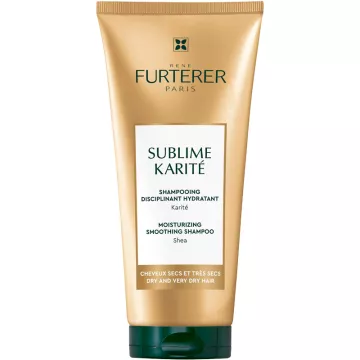
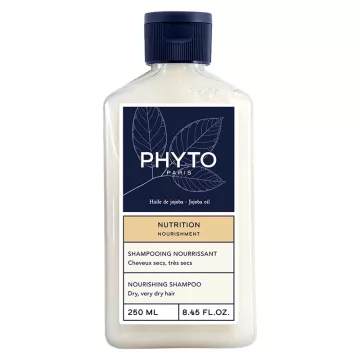
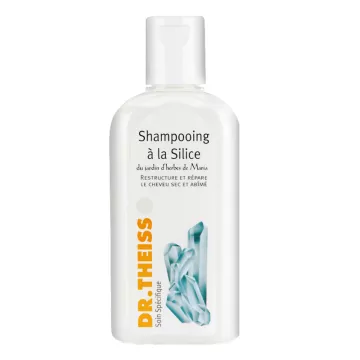
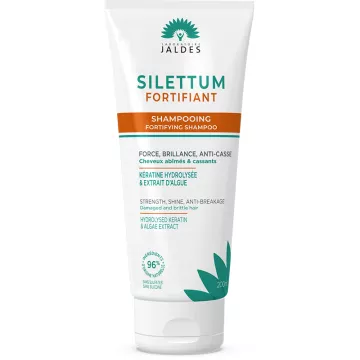
To repair dry hair, it’s essential to use high-quality products, such as shampoos rich in nourishing ingredients like ceramides, oils, or essential fatty acids. Avoid degreasing shampoos that lather excessively and damage keratin, as keratin is responsible for maintaining the hair’s suppleness and strength. When shampooing, brush your hair thoroughly before washing to detangle it and remove any styling product residue. Wet your hair and work the shampoo into your wet hands before applying it; if it doesn’t lather enough, add water rather than more shampoo. In the shower, avoid vigorous rubbing of the hair; instead, massage it gently to help the active ingredients penetrate. Rinse thoroughly and apply a second coat if the shampoo is formulated for dry hair, or use a conditioner, leaving it on for 3 to 5 minutes.
Does your hair get tangled, look like straw, and have split ends that break easily? Unfortunately, these are the signs of dry hair. Whether due to environmental stressors or naturally fragile hair, it can sometimes be very difficult to care for dry, damaged, and brittle hair. Dry hair is the most common hair problem, mainly due to a lack of proper care or, conversely, the use of unsuitable products.
How do plant-based oils help very dry hair?
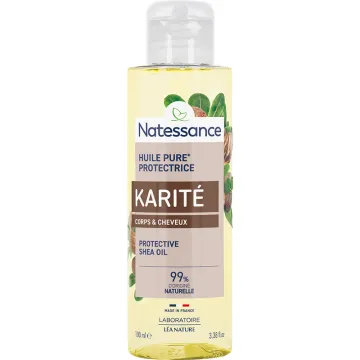
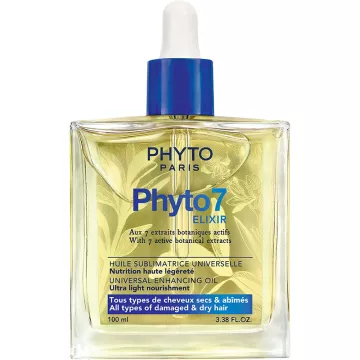
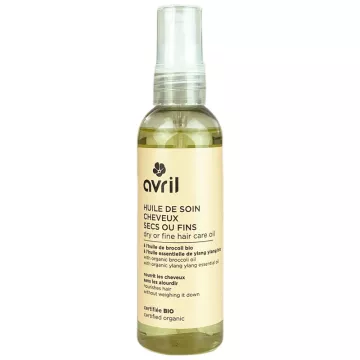
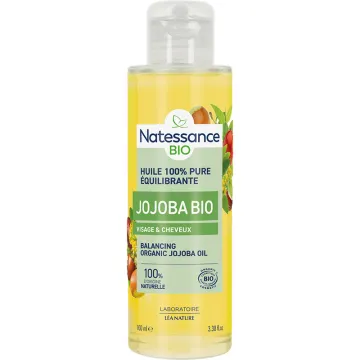
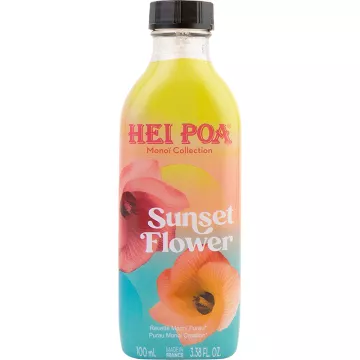
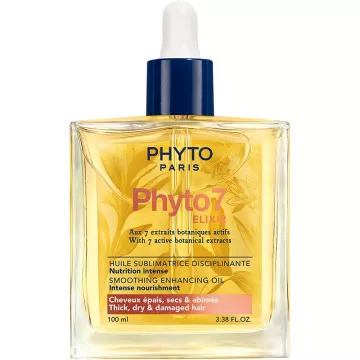
Multipurpose oils can be used on hair in various ways. The "oil treatment"—a favorite among hairstylists—is indispensable for restoring shine to very dry or damaged hair. It involves applyingthe oil to the dry lengths and leaving it on overnight. But you can also use the oil:
- Before coloring, to protect the scalp.
- Before shampooing, to smooth the cuticle and restore the hair’s hydrolipidic film.
- After washing your hair, for frizz-free smoothness.
- Before blow-drying to protect the hair shaft from heat styling tools.
- To protect your hair from the sun and chlorinated pool water.
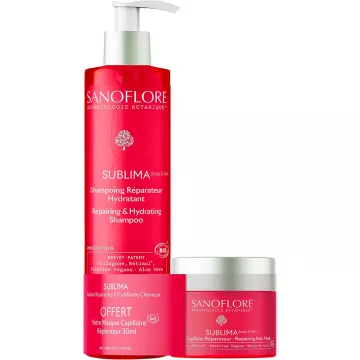
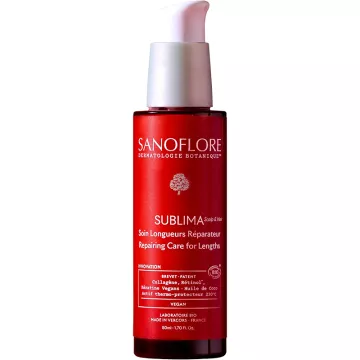
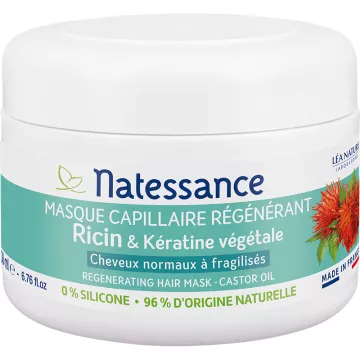
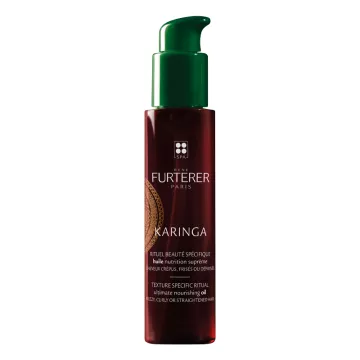
Find the best of our dry hair care products to nourish your hair at your online organic pharmacy.
What causes dry and brittle hair?
Internal factors directly influence sebum production and hair health:
- Genetic Predisposition: Some people naturally produce less sebum, which prevents optimal hydration of the hair shaft.
- Nutritional Deficiencies: A lack of vitamins A, E, and B complex, or essential fatty acids (omega-3), can lead to dry hair.
- Age: Over time, sebum production decreases, exacerbating hair dryness.
Environmental factors and hair care habits have a significant impact:
- Exposure to Harsh Weather Conditions: UV rays, wind, and extreme temperatures dry out the cuticle, making hair dull and brittle.
- Heat from Styling Tools: Hair dryers, flat irons, and curling irons weaken the hair shaft by stripping away its natural moisture.
- Chemicals: Hair coloring, bleaching, perms, and chemical straightening alter the hair’s structure, leading to increased porosity.
- Use of Unsuitable Shampoos: Formulas containing sulfates or harsh alcohols exacerbate dehydration.
What hair care products are suitable for dehydrated hair?
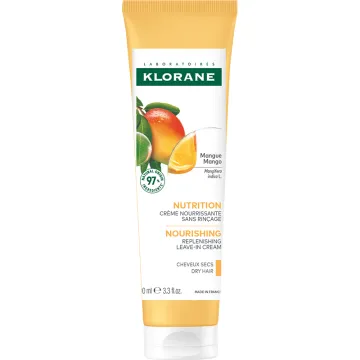
Dry hair requires moisturizing, nourishing, and reparative treatments to replenish its lack of water and lipids.
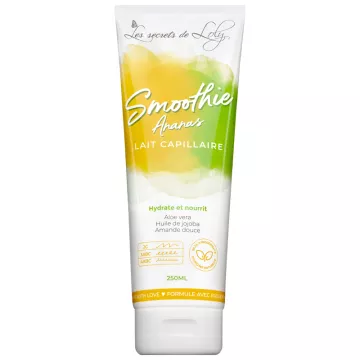
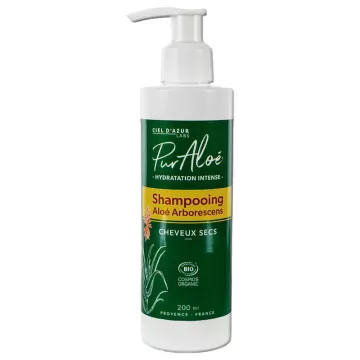
- Gentle, Sulfate-Free Shampoos: Choose formulas enriched with moisturizing agents (aloe vera, glycerin) and plant-based oils (coconut, argan).
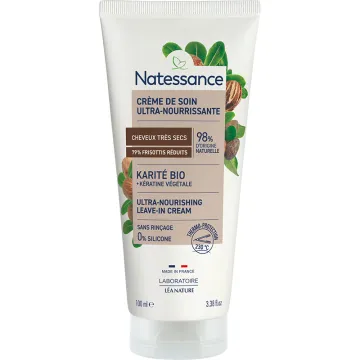
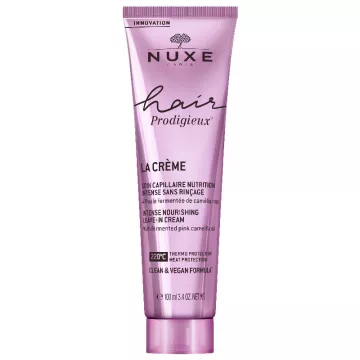
- Moisturizing Conditioners: They make detangling easier and provide a protective layer to lock in moisture.
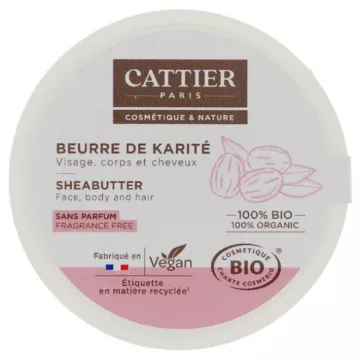
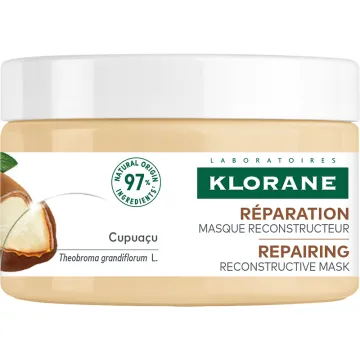
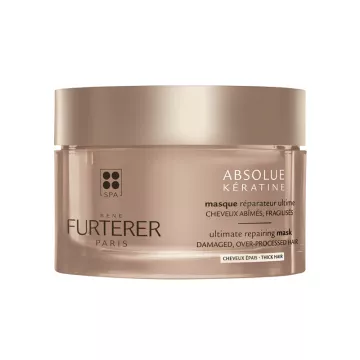
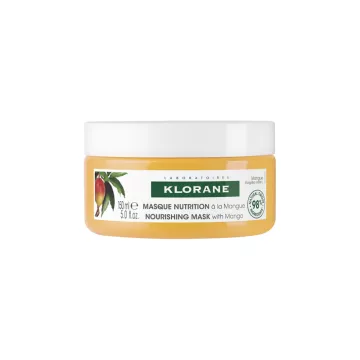
- Deep Conditioning Masks: Use weekly masks containing reparative ingredients such as shea butter, keratin, or hyaluronic acid.
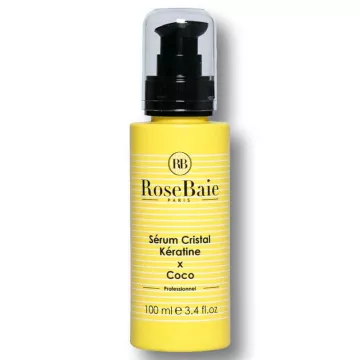
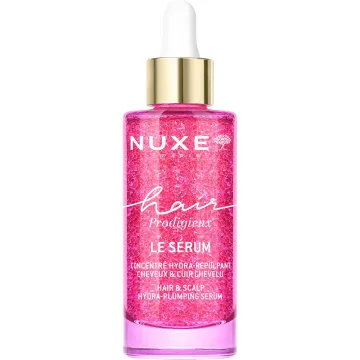
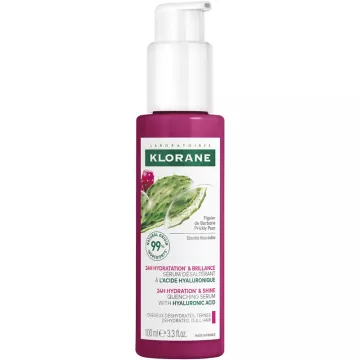
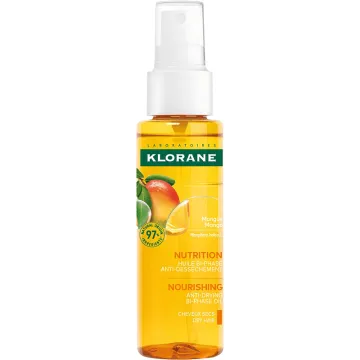
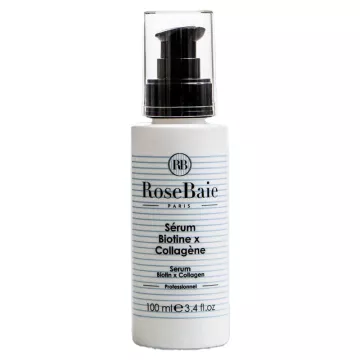
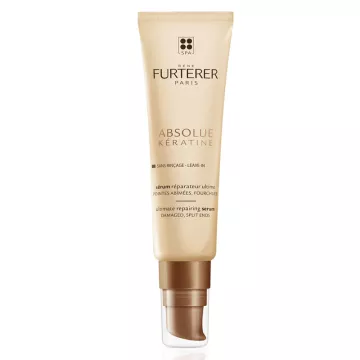
- Hair Serums and Oils: These products act as a barrier to prevent dehydration and smooth the cuticles.
Adopt practices that minimize damage and maximize the benefits of your hair care routine:
- Space Out Washes: Limit shampooing to two or three times a week to preserve natural oils.
- Use Lukewarm Water: Hot water opens the hair cuticles and exacerbates dryness.
- Scalp Massage: Stimulate blood circulation and sebum production with a gentle massage while shampooing.
Protection
- Heat Styling Tools: Minimize their use and apply a heat-protectant spray before each styling session.
- Sun Protection: Use hair sprays or oils with UV filters to protect your hair during prolonged sun exposure.
- Overnight Hydration: Sleep on a satin or silk pillowcase to reduce friction and lock in moisture.
What hair care products can you find on the Soin-et-Nature website?
Soin-et-Nature offers a wide range of products to care for your hair, whatever its needs. Here are the available categories:
- To combat dandruff, anti-dandruff shampoos offer an effective solution for a healthy scalp.
- For gentle daily use, mild shampoos are gentle on both your hair and scalp.
- For a more natural approach, sulfate-free shampoos care for your hair without damaging the hair shaft.
- For an eco-friendly and convenient alternative, solid shampoos are effective while being gentle on the environment.
- To regulate excess sebum, shampoos for oily hair provide a fresh, lightweight feel.
- To nourish and repair damaged hair, treatments for dry hair restore suppleness and shine.
- To soothe scalp irritation, soothing shampoos provide relief and long-lasting protection.
- For optimal hydration and nourishment after washing, conditioners make detangling easier and strengthen the hair shaft.
- For deep conditioning, hair masks revitalize and strengthen even the most fragile hair.
- To simplify styling, detanglers help smooth the hair without weighing it down.
- To enhance your hairstyles, a range of styling products offers hold, volume, and style.
- To moisturize and protect your hair, hair oils provide nourishment and shine.
- To slow hair loss, anti-hair loss treatments strengthen the roots and stimulate regrowth.
- To promote healthy and rapid growth, specific solutions stimulate hair follicle activity.
- To preserve the radiance of colored hair, specialized treatments extend color life and repair the hair shaft.
- To color your hair naturally, plant-based hair dyes are gentle on your hair while delivering long-lasting results.
- To treat lice infestations, anti-lice shampoos provide fast and effective relief.
- To beautify your hair from the inside out, dietary supplements target hair health and beauty.
- To strengthen hair and nails, dietary supplements help combat brittleness and hair and nail loss.
These hair care products available on Soin-et-Nature meet all your needs for healthy, strong, and radiant hair.