In the drugstore sector, women’s health products cover a broad spectrum centered on four main areas: hormonal and reproductive health, intimate comfort, skincare tailored to the specific needs of women’s skin, and nutritional support at every stage of life. Unlike a general-purpose catalog, these products take into account cyclical hormonal changes, transitional periods (pregnancy, postpartum, menopause), and the particular sensitivity of women’s mucous membranes. Choosing formulas free of parabens, sulfates, and endocrine disruptors is a precaution recommended by the SCCS (European Scientific Committee on Consumer Safety), particularly for products intended for intimate or daily use.
Women’s intimate health depends on the balance of the vaginal flora, which is dominated by lactobacilli that maintain a protective acidic pH (3.8 to 4.5). This balance can be disrupted by antibiotics, stress, hormonal changes during the menstrual cycle, or alkaline soaps. To preserve it, intimate hygiene products must respect this specific pH and avoid fragrances and harsh detergents. Oral or topical probiotics, particularly the strains Lactobacillus rhamnosus and Lactobacillus reuteri, help maintain a balanced vaginal microbiome and reduce the risk of recurrent infections.
Women’s skin undergoes significant changes under the influence of estrogen: more hydrated and oilier between the ages of 20 and 30, it tends to become drier, with a decrease in skin density and the appearance of wrinkles starting at age 40 due to declining estrogen levels. Recommended skincare products:
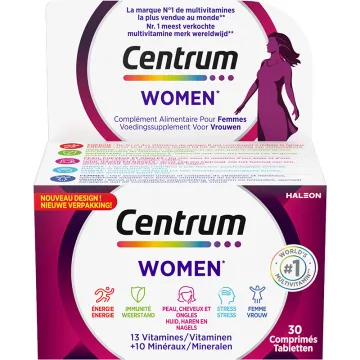
Women’s nutritional needs vary depending on their stage of life. Here are a few situations to prioritize:
Pregnancy requires extra caution regarding the ingredients in products. During pregnancy:
While breastfeeding, always check the compatibility of topical ingredients with breastfeeding before applying anything to the breast area.
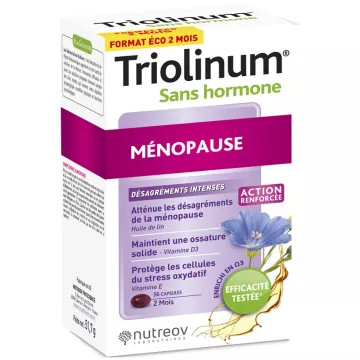
Menopause causes a drop in estrogen levels, which profoundly alters the skin, the vaginal mucosa, bone density, and the lipid profile. From a cosmetic standpoint, skincare products enriched with plumping active ingredients and lipids help counteract increased skin dryness. To improve skin comfort, rich emollients containing ceramides and niacinamide help restore the compromised skin barrier. Vaginal dryness, which is common after menopause, can be relieved by hormone-free intimate moisturizers containing hyaluronic acid or lactic acid, available without a prescription.