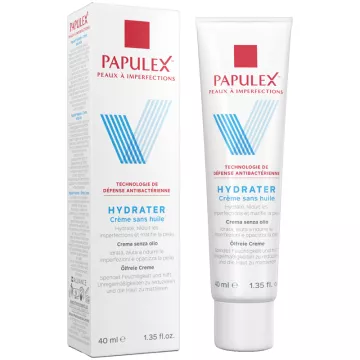
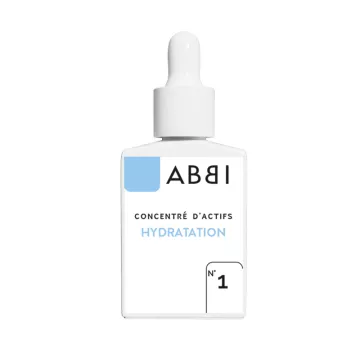
Skin hydration refers to the supply of water that is essential for maintaining the skin’s suppleness, elasticity, and overall health.
It preserves the skin’s natural protective barrier against external aggressors such as pollution, UV rays, and climate changes.
Properly hydrated skin is better able to resist premature aging and develops fewer fine lines and wrinkles over time.
To maintain this hydration on a daily basis, browse our facial hydration section.
Well-hydrated skin can be recognized by several visible signs: a smooth texture, a radiant complexion, and no tightness after cleansing.
Conversely, skin that is rough, dull, or showing fine flaking often lacks moisture, regardless of skin type.
To objectively assess your hydration level, try the pinch test: gently pinch your skin at the cheekbone and observe how quickly it returns to its original shape. The faster it springs back, the better hydrated and more elastic your skin is.
Several moisturizing active ingredients are recognized in cosmetology for their proven effectiveness:
Hyaluronic acid can hold up to 1,000 times its weight in water, making it the most powerful humectant for deep hydration.
Glycerin attracts and binds water to the stratum corneum, keeping the skin supple and comfortable even in dry environments.
Ceramides strengthen the skin barrier and limit daily transepidermal water loss.
Nourishing plant oils, such asjojoba oil or sweet almond oil, seal in moisture and strengthen the hydrolipidic film.
For effective hydration, apply a product suited to your skin type immediately after cleansing, morning and night.
In the morning, opt for a lightweight texture that will serve as a base before makeup and provide an initial protective barrier against environmental aggressors.
In the evening, opt for a richer formula that supports nighttime regeneration and nourishes the skin while you sleep.
Don’t forget aboutinternal hydration by drinking at least 1.5 liters of water per day, adjusting this amount based on your physical activity and the climate.
A common mistake is using a moisturizer that isn’t suited to your skin type, which significantly reduces its effectiveness.
Oily skin requires non-comedogenic moisturizers to prevent clogged pores and breakouts.
Dry skin, on the other hand, benefits from formulas richer in emollients to compensate for a lack of lipids.
Another classic mistake is neglecting to moisturize after exfoliation, which increases water loss and can lead to cumulative irritation.
Several simple steps can help maintain long-lastingskin hydration on a daily basis:
Using a humidifier in the bedroom maintains optimal air humidity, which is particularly helpful in winter or in air-conditioned environments.
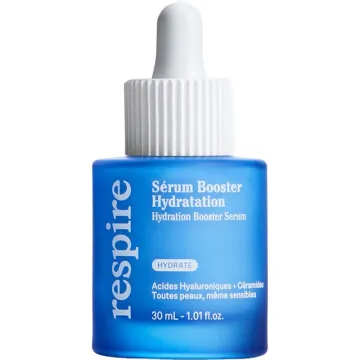
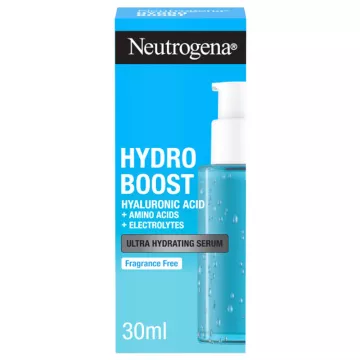
Adding a hydrating serum under your daily moisturizer provides a concentrated dose of active ingredients and boosts the effectiveness of your skincare routine.
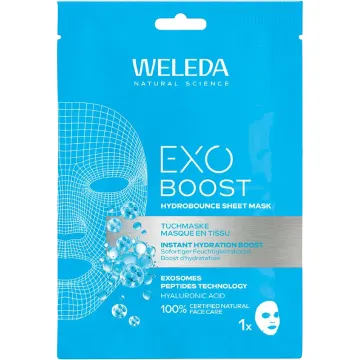
Weekly hydrating masks provide a very beneficial, targeted boost for skin that’s tired or stressed by environmental factors.
Diet directly influences the quality of skin hydration and overall skin health.
Foods rich in antioxidants and essential fatty acids—fatty fish, nuts, flax or chia seeds, and leafy green vegetables—support the skin’s ability to retain moisture.
Limit foods that are too salty or too sweet, as they promote dehydration and disrupt the skin’s hydrolipidic film.
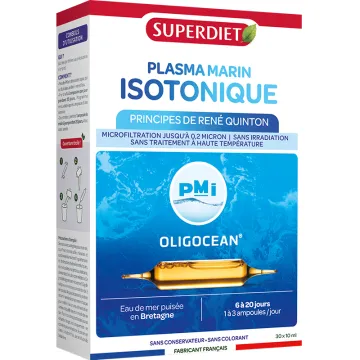
In addition, targeted beauty supplements for the skin can effectively support your skincare routine from the inside out.
Sun exposure has a major dehydrating effect on the skin, especially without adequate protection.
UV rays accelerate water evaporation from the skin’s surface and permanently weaken the skin barrier, which exacerbates dryness.
Always use a high-SPF sunscreen during prolonged sun exposure; explore our sunscreen selection.
After each time you’re in the sun, apply a restorative cream to replenish moisture and soothe any redness.
Over-moisturizing is possible, especially for those who layer on overly rich products on skin that’s already well-hydrated.
This can lead to clogged pores, breakouts, or an imbalance in the hydrolipidic film in combination to oily skin types.
Adjust the richness and amount of your skincare products to your skin type and the season; if your skin becomes shiny or you experience breakouts after application, adjust your routine or ask your pharmacist for advice.
Nighttime moisturizing coincides with the skin’s natural repair cycle, which is activated during sleep.
Rich creams or night masks support this process by providing the nutrients necessary for cell regeneration.
They help counteract the damage accumulated throughout the day (pollution, UV rays, air conditioning) and prepare the skin to better face the next day.
For best results, apply your nighttime skincare product to clean skin about 30 minutes before bedtime.
Hydrating the skin means increasing its water content to maintain suppleness and elasticity.
This process relies on humectants such as hyaluronic acid, glycerin, or urea, which attract and retain water in the skin’s outer layers.
Nourishing, on the other hand, involves providing lipids, fat-soluble vitamins, and fatty substances that strengthen the skin barrier and limit water loss.
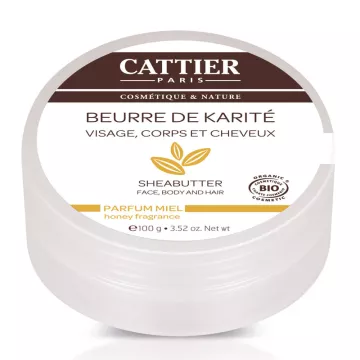
Nourishing skincare products generally contain plant oils, plant butters (shea, cocoa), and restorative ceramides.
A balanced skincare routine intelligently combines these two approaches based on skin type and the season.