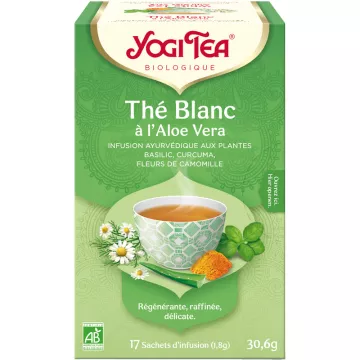
White tea is a minimally processed tea made from the buds and young leaves of Camellia sinensis, the same plant as green tea and black tea. Native to China, particularly the Fujian province, white tea is distinguished by its minimal processing, which preserves an exceptional concentration of polyphenols and L-theanine. Available as loose leaf or in tea bags, white tea fits seamlessly into wellness routines and provides antioxidant support, prized for its delicate properties and natural soothing effects.
White tea is primarily recognized for its high content of polyphenols and catechins, antioxidant molecules that are well-documented scientifically. According to studies, these compounds neutralize free radicals generated by daily metabolic stress, UV exposure, and environmental pollution. White tea’s antioxidant profile is comparable to that of green tea, although it is slightly lower in caffeine, making it a good choice for those seeking a less stimulating effect.
In addition to antioxidants, white tea contains L-theanine, an amino acid known for its relaxing and soothing effects without causing drowsiness. This molecule, recognized in the scientific literature, increases the production of neurotransmitters such as serotonin and GABA, promoting a sense of calm. The low caffeine content (15–30 mg per cup, compared to 95 mg in coffee) provides mild mental stimulation without an overly stimulating effect.
Brewing white tea requires some care to preserve its delicate compounds.The water should be heated to between 70 and 80°C —a higher temperature could damage the polyphenols and subtle aromas.Steeping takes 5 to 7 minutes for an optimal balance between intensity and delicacy. The standard serving size is 1 to 2 grams of leaves per cup (about 250 ml), to be adjusted according to personal preference.
White tea can also be enjoyed as an iced tea: let it steep in the refrigerator for 6 to 12 hours for a milder flavor and better preservation of the active compounds. This preparation is ideal in hot weather or for enjoyment in the late afternoon. Some people add lemon, mint, or honey for an aromatic touch without altering the tea’s properties.
The cosmetic use of white tea is based on its high content of polyphenols and flavonoids, active compounds known to support the skin’s cellular defenses. When applied as a cooled infusion directly to the skin or incorporated into skincare products (such as white clay masks or toners), white tea offers a soothing and toning effect. These antioxidants slow the visible signs of photoaging, supportingskin elasticity and overall radiance. Its mild anti-inflammatory properties make it suitable even for sensitive skin, providing light hydration without a occlusive effect. Regular use as a mask or toner over 4–6 weeks can help improve the overall quality and radiance of the complexion.
L-theanine is the primary active ingredient that sets white tea apart in terms of its wellness benefits. Documented in scientific literature for increasing alpha brain waves (associated with conscious relaxation), it promotes mental serenity without causing drowsiness. Its combination with a mild dose of caffeine creates a unique balance: caffeine stimulates alertness and concentration, while L-theanine tempers its effects, preventing the nervousness or anxiety typically associated with caffeine alone. This natural balance explains why white tea is often preferred for alert relaxation, particularly in the middle of the day.
Drinking 2 to 3 cups daily (in the morning and early afternoon) allows you to benefit from white tea’s antioxidant and soothing properties without excessive caffeine. For long-term wellness routines, a 6- to 8-week course is recommended to allow the cellular antioxidant effects to build up. White tea can be consumed regularly for as long as desired, though an occasional break is beneficial. Avoid drinking it after 4 p.m. if you have trouble sleeping, due to residual caffeine.
White tea naturally combines well with other antioxidant sources (vitamin C, grape polyphenols) to enhance cellular protection without any documented problematic interactions. Combining it with other soothing herbs (chamomile, passionflower) can enhance the relaxing effects of L-theanine. However, when combined with other sources of caffeine (coffee, green tea, mate), intake should be carefully measured to maintain a moderate total intake. It is recommended to wait 1–2 hours between consuming white tea and certain medications to ensure optimal absorption.
White tea is generally well tolerated. Its relatively low caffeine content limits the risks compared to other sources, but certain groups should exercise caution. Peoplewith anemia or iron deficiency should be aware that the tannins in tea can reduce the absorption of dietary iron; it is advisable to wait 1–2 hours between taking an iron supplement and drinking tea. Consuming it late in the day may disrupt sleep in individuals sensitive to caffeine; it is best to drink it before 4 p.m. Pregnant women may consume white tea in moderation (1–2 cups per day), as the residual caffeine does not pose a significant problem at this level; however, it is prudent to seek medical advice. People taking medication should consult their doctor before consuming tea regularly, particularly if they are on anticoagulants or medications sensitive to tannins, although no major interactions have been documented with normal consumption.