Common warts (Verruca vulgaris) are benign skin infections caused by the human papillomavirus (HPV types 2, 4, and 7). They mainly appear on the hands (backs of the hands, fingers, around the nails) and on any area subject to repeated microtrauma. A typical common wart is a firm, keratotic papule with a rough surface (cauliflower-like appearance), measuring 2 to 10 mm. Perinail warts are particularly stubborn—their location poses a risk of nail dystrophy if they are not treated properly. Transmission occurs through direct skin-to-skin contact or via contaminated surfaces. These viral skin infections are facilitated by any breach in the epidermal barrier (eczema, nail-biting, small wounds).
Molluscum contagiosum (poxvirus) presents as smooth, pearly, umbilicated papules—without rough keratosis. Keratoacanthoma grows over a few weeks (compared to months for a wart). Shingles and herpes form painful, erythematous vesicles, which are treated with specific antiviral medications. Basal cell carcinoma or acral melanoma can mimic a wart-like lesion—any doubt warrants a dermatology consultation before treatment. Interrupted dermatoglyphic lines, black dots (capillary thromboses), and pain upon lateral pressure remain the best clinical criteria for a wart.
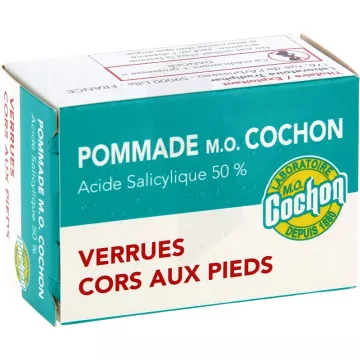
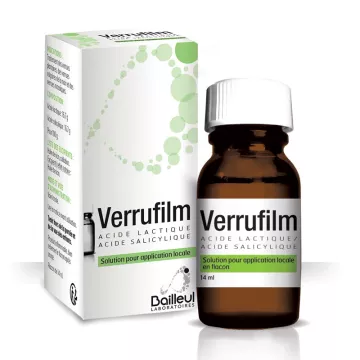
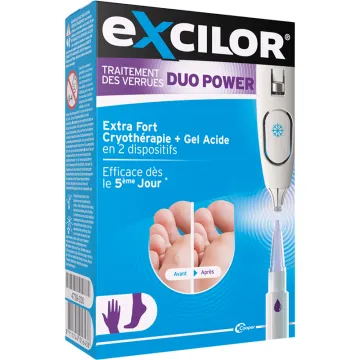
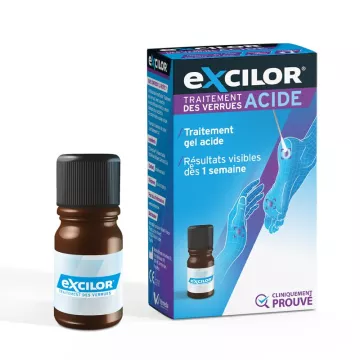
Medicated salicylic acid dressings (26–35% concentrations in an occlusive patch) are particularly well-suited for the fingers—they maintain continuous contact with the acid and protect the wart without interfering with daily activities. Salicylic acid and benzoic acid ointment is applied after soaking and gentle abrasion. Damaged hands and the areas around the nails must be treated with precision—if the keratolytic agent spreads onto the nail, it can cause onychodystrophy. At-home cryotherapy (–40°C pen) is suitable for isolated superficial warts on the fingers; treatment should be repeated every 2 to 4 weeks.
Methionine is an essential sulfur-containing amino acid that plays a role in the synthesis of glutathione (a major intracellular antioxidant), the methylation of viral DNA, and the production of interferons. When taken as an oral supplement (methionine + zinc + selenium), it strengthens antiviral immune function and reduces the frequency of recurrences in individuals with recurrent warts. This approach complements topical treatments; it is not a substitute for them. Fungal skin infections sometimes coexist with warts in individuals with a compromised skin barrier—treating the underlying fungal infection first improves the effectiveness of wart treatments.
Cinnabaris (red mercury sulfide) is the homeopathic remedy most specifically indicated for warts on the hands, filiform warts, and genital warts. Thuya occidentalis remains the standard treatment for fleshy and pedunculated warts. The selection of the remedy is based on the wart’s morphology and the patient’s constitutional profile. These approaches fall within the realm of traditional medicine, and their effectiveness has not been clinically established—they may be used in conjunction with topical treatments. Scabies, like warts, is a contagious skin condition requiring simultaneous treatment of contacts—both conditions illustrate the importance of environmental prevention.
A dermatology consultation is recommended for large warts (> 1 cm), extensive periungual warts (risk of permanent nail dystrophy), resistance to 3 months of properly administered treatment, multiple or widespread warts, diagnostic uncertainty, and in immunocompromised patients. A manicure performed by a professional manicurist who is aware of the presence of periungual warts must use disinfected or single-use instruments to prevent spread to other clients. It is the patient’s responsibility to inform the service provider.