A skin fungal infection (or mycosis) results from the colonization of the skin, nails, or scalp by pathogenic fungi—primarily dermatophytes (Trichophyton, Microsporum, Epidermophyton) and yeasts of the genus Candida or Malassezia. These microorganisms thrive in warm, moist, and macerated areas (between the toes, skin folds, the scalp, and the palms of the hands). The clinical presentation varies: round, well-defined, itchy patches (athlete’s foot), thickened and yellowed nails (onychomycosis), and small depigmented spots (pityriasis versicolor). An intact skin barrier limits entry points.
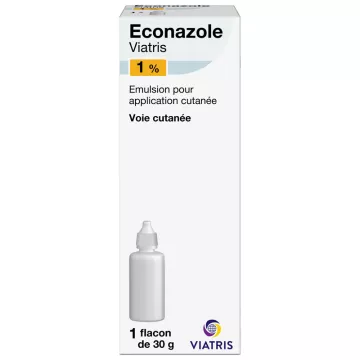
Over-the-counter topical antifungals treat superficial forms:
Apply to clean, dry skin, extending slightly beyond the visible affected area, for up to 1 to 2 weeks after symptoms have completely disappeared to prevent recurrence.
Each location requires a suitable formulation. For athlete’s foot, use antifungal powders and lotions (Pevaryl, Mycohydralin, Lamisil), keep the area between the toes dry, and wear cotton socks. For nail fungus (onychomycosis), use antifungal nail polish (Mycoster, Locéryl) as part of a prolonged treatment lasting 6 to 12 months, depending on the severity of the infection. For pityriasis versicolor on the trunk, use ketoconazole shampoos (Ketoderm) applied to the body for 5 to 10 minutes, 2 to 3 times a week. For seborrheic dermatitis of the scalp, use medicated shampoos (Kelual DS, Squanorm, Kerium DS) 2 to 3 times a week.
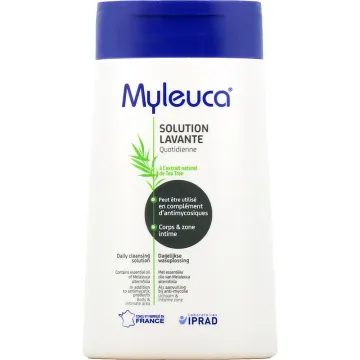
Several natural active ingredients can complement a conventional antifungal regimen:
Always test on the inner elbow for 48 hours before extended use.
Proper daily hygiene remains the foundation. Wash with water and mild soap, and dry very thoroughly between the toes and in skin folds. Wear flip-flops or sandals in communal showers, swimming pools, and locker rooms. Use your own bath towels, washed at a minimum of 60°C. Wear loose-fitting cotton clothing and change socks daily. Alternate between pairs of well-ventilated shoes (allow 24 to 48 hours for drying between uses). Support theskin barrier with daily moisturizing and a zinc treatment course in case of frequent recurrences.
Recurrences are common if underlying measures are not taken. Continue antifungal treatment for 1 to 2 weeks after symptoms disappear to eliminate residual spores. Disinfect shoes with antifungal powder or dilutedtea tree oil spray. Identify and treat sources of transmission (pets, athletic partners). Maintain immunity through a balanced diet, adequate sleep, and vitamin C and zinc supplementation if necessary. Limit long-term antibiotic use, which disrupts the microbiome.