Urinary discomfort refers to moderate and often fluctuating sensations of discomfort: frequent and urgent urges to urinate, a feeling that the bladder isn’t fully emptied, or a mild pulling sensation without actual pain. It differs from true urinary pain, which is more intense and generally associated with an identifiable cause, such as an infection. This difference in intensity calls for different approaches: simple discomfort is often addressed with lifestyle changes, while significant pain requires a more thorough diagnosis that goes beyond mere measures to improve daily urinary comfort.
Many urinary discomforts occur without an underlying infection: excessive consumption of caffeine, alcohol, or carbonated beverages irritates the bladder lining, while drinking too much concentrated fluid over a short period of time overworks the bladder. Stress and anxiety can also lead to a sensation of needing to urinate more frequently, without any identifiable organic abnormality upon examination.
With age, the bladder’s capacity and elasticity gradually decrease, which can result in more frequent urges and a sensation of incomplete emptying. In women, menopause exacerbates this phenomenon due to a decline in estrogen, which weakens the supporting tissues of the bladder and urethra, contributing to urinary discomfort and associated minor leakage.
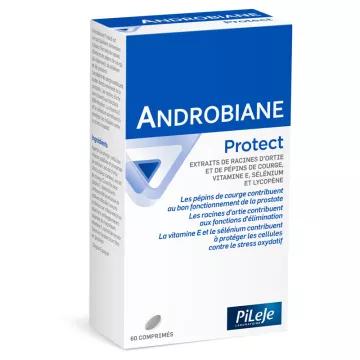
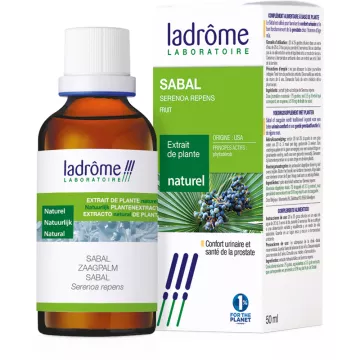
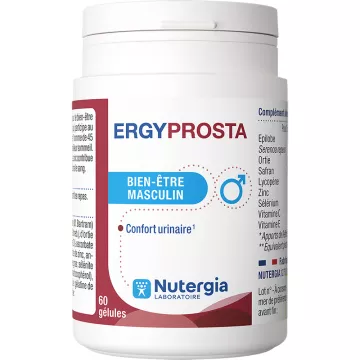
In men, the gradual increase in prostate size with age partially compresses the urethra and can cause a weaker urine stream, frequent urges, or a feeling of incomplete emptying. Prostate conditions are among the most common causes of urinary discomfort after age 50 and warrant regular screening as part of routine medical care.
Gradually spacing out urination when the urge is more a matter of habit than a real need, limiting bladder irritants (caffeine, alcohol, spices), and doing pelvic floor exercises to strengthen pelvic floor control are among the most effective measures for reducing mild urinary discomfort in daily life.
Discomfort accompanied by a distinct burning sensation, blood in the urine, fever, or that worsens rapidly should prompt an immediate medical consultation to rule out an infection or another organic cause. Magnesium contributes to the normal functioning of muscles, including those of the bladder, but it is by no means a substitute for medical advice in cases of persistent or unusual urinary discomfort.