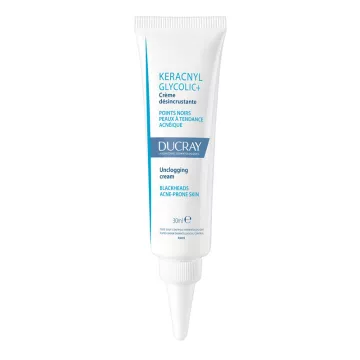
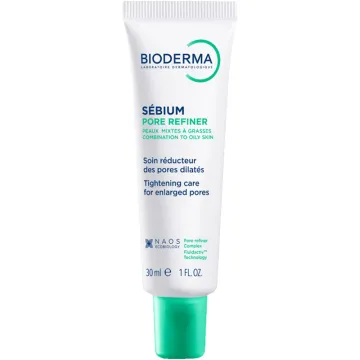
Blackheads (open comedones) result from a buildup of sebum and dead skin cells in the pilosebaceous duct. When exposed to air, the sebum oxidizes and takes on its characteristic dark color—which distinguishes them from whiteheads (closed comedones covered by a thin layer of skin). They primarily affect the T-zone (forehead, nose, chin), where sebaceous glands are most concentrated, but can also appear on the sides of the nose, the back, and the upper shoulders. A structured skincare approach combines three key strategies: regulating sebum, unclogging pores, and protecting the skin barrier.
Three well-documented active ingredients dominate the cosmetic fight against comedones:
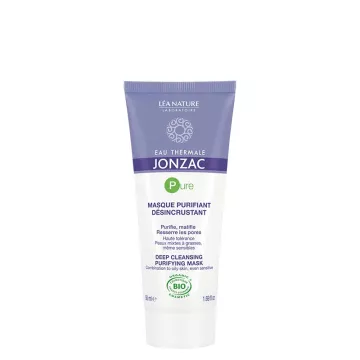
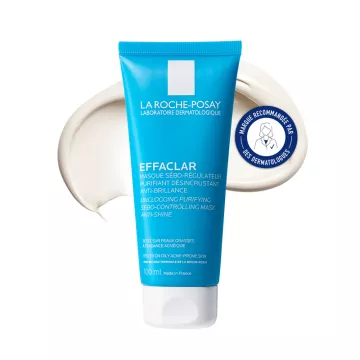
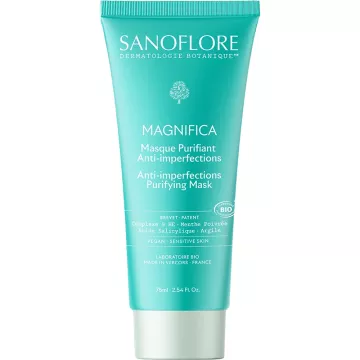
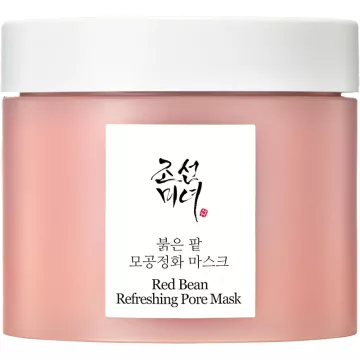
Weekly absorbent masks are a useful addition to your daily routine.Green clay is the most absorbent and is recommended for very oily areas;white clay (kaolin) is gentler and suitable for combination or sensitive skin;pink clay offers a middle ground. Plant-based activated charcoal captures impurities through adsorption. Application: Once a week on clean skin, leave on for 5 to 10 minutes without letting it dry completely (spray with thermal water if needed to keep it supple), then rinse with lukewarm water. Follow up with a hydrating serum to prevent dryness. Top brands: Effaclar Mask by La Roche-Posay, Sébium Mat Control by Bioderma, Cleanance Mask by Avène, Hyséac Mask by Uriage.
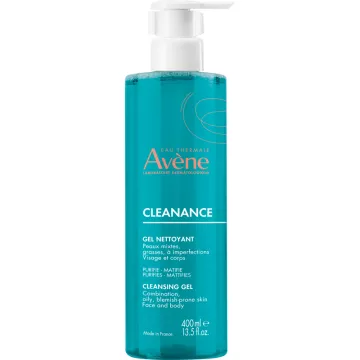
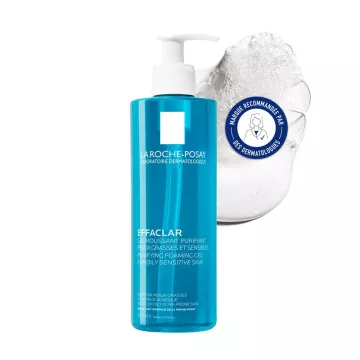
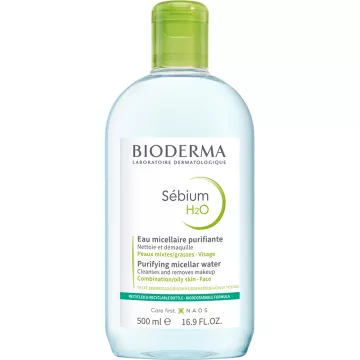
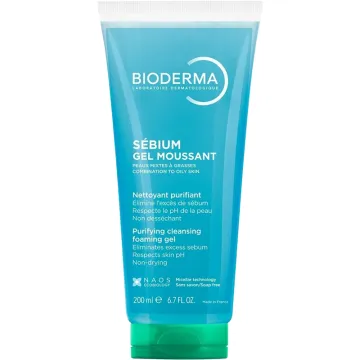
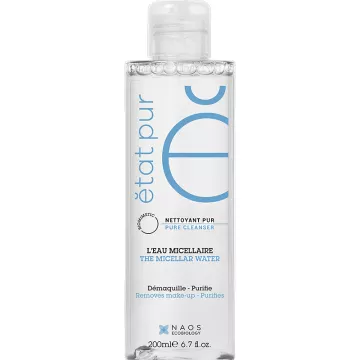
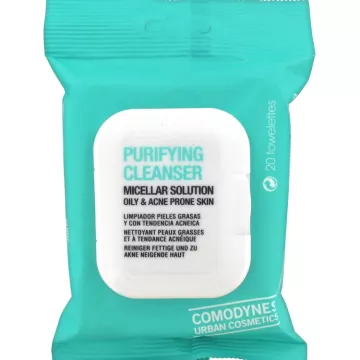
Cleansing in the morning and evening is essential. Opt for gentle foaming gels without harsh sulfates or cleansers containing 0.5–2% salicylic acid for daily surface exfoliation. Purifying micellar waters are suitable for removing makeup before cleansing. Avoid: alkaline soaps, harsh rotating brushes, exfoliating gloves, and very hot water. Recommended dermo-cosmetic products: Effaclar Gel by La Roche-Posay, Cleanance Gel by Avène, Sébium Foaming Gel by Bioderma, Hyséac Gel by Uriage, Normaderm by Vichy. For sensitive, blemish-prone skin, choose alcohol-free formulas with a pH close to 5.5.
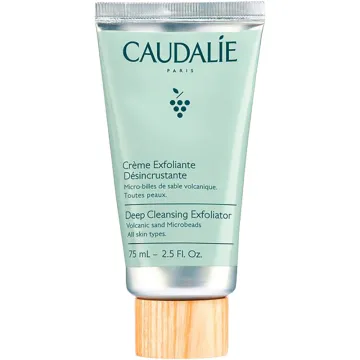
Purifying strips (Bioré, Garnier) temporarily remove the plug but don’t address the underlying cause—breakouts return quickly. Hydrocolloid patches (CosRX, Skin1004, Mighty Patch) are better suited for inflammatory pimples than for open comedones. Ultrasonic brushes and extraction devices sold in supermarkets can enlarge pores or cause rosacea if used too aggressively—use with caution. At-home facial steaming (5–10 minutes before applying a mask) softens blackheads and enhances the effectiveness of subsequent skincare steps; do this no more than once a week.
A structured routine yields results over 6 to 12 weeks, never in just a few days:
Visible improvement inskin texture andradiance starting in the 4th week, with continued improvement thereafter.
Three pitfalls come up time and again. Over-stripping the skin with cleansers that are too harsh triggers a compensatory sebum response that worsens the problem. Squeezing blackheads with your fingernails or non-sterile tools leaves micro-scars and spreads bacteria. Combining too many potent active ingredients (retinol + BHA + vitamin C + AHA in the same routine) causes irritation and skin sensitization. Also avoid: homemade baking soda (its alkaline pH permanently disrupts the skin’s pH balance), pure essential oils applied directly to the skin, and highly occlusive foundations used daily without thorough makeup removal.
After an extraction (ideally performed by a professional), the area remains sensitive for 7 to 10 days. Immediately disinfect with aqueous chlorhexidine, apply a soothing treatment containing centella asiatica oraloe vera, and use SPF 50 sunscreen to prevent post-inflammatory hyperpigmentation. Avoid strong active ingredients (retinol, AHAs, concentrated BHAs) for 5 to 7 days. If blemishes persist or recur despite following an appropriate skincare routine for 3 months, consult a dermatologist to explore additional treatments (prescription retinoids, gentle in-office peels).