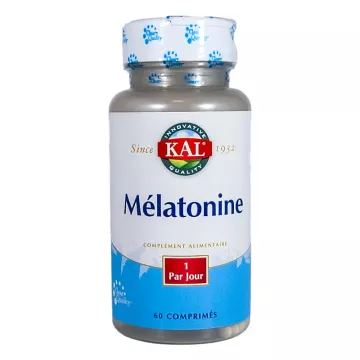

Jet lag results from a desynchronization between the internal biological clock and the new local time during transmeridian flights. Melatonin (1 mg KAL) is the standard treatment for resetting the sleep-wake cycle—taken at bedtime at the destination (not at the time of departure) for 3 to 5 days, it speeds up the adjustment of the circadian rhythm by 1 to 2 days. For eastbound flights (which are more difficult to manage than westbound flights), it is taken in the evening at the destination’s local time starting the first evening after arrival. It does not cause daytime drowsiness or dependence at therapeutic doses (0.5 to 3 mg). It’s hard to sleep on a plane—a sleep mask, earplugs, and melatonin taken 30 minutes before bedtime are the optimal anti-jet lag trio on long-haul flights.
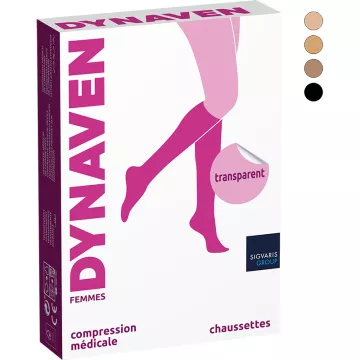
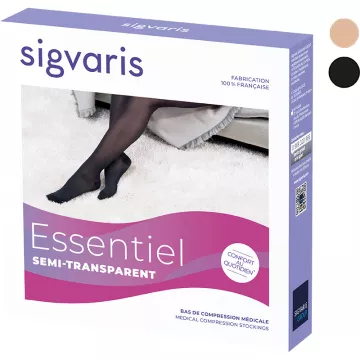
Compression socks and stockings (Sigvaris travel line) are strongly recommended for any flight longer than 4 hours. The factors that make their use essential are:
Class 2 compression (15–20 mmHg at the ankle) improves venous return and significantly reduces the risk of DVT. Sigvaris compression socks are available in stylish designs suitable for travel: Dynaven Pure (transparent, invisible), Opaque or Marinière styles, and Active Organic Cotton. They should be put on before takeoff and removed upon arrival. People with a history of phlebitis or venous insufficiency, or those taking oral contraceptives, should consult their doctor before a long flight.
Granions Transit Digestion & Bloating Probiotics (Lactobacillus + Bifidobacterium) strengthen the protective gut barrier and reduce the incidence of traveler’s diarrhea. They should ideally be taken 5 to 7 days before departure and throughout the trip—they are most effective when the gut flora is strengthened before exposure to local pathogens. Travel stress, irregular meals, dietary changes, and jet lag weaken the gut microbiota—taking probiotics while traveling helps counteract these stresses. If diarrhea sets in, probiotics complement curative treatments (loperamide, oral rehydration) without replacing them.
Air conditioning in airplane cabins (humidity below 20%) quickly dries out the skin and mucous membranes. The Uriage Travel Essentials Kit (4 mini sizes) covers the skin’s 4 essential needs during flight: Uriage thermal water (ultra-soothing hydration), day cream (barrier protection), lip balm (for dry lips), and cleansing gel (cleansing without running water). For dry skin, a travel-size hyaluronic acid serum applied under the day cream is a useful addition on long flights. These four products fit in carry-on luggage (bottles ≤ 100 ml) and meet airline security requirements.
A trip to a tropical region or an area with limited healthcare infrastructure requires comprehensive naturopathic preparation. The essentials to pack are: travel probiotics (start 1 week before departure), melatonin (for transmeridian travel), compression socks for flights longer than 4 hours, mosquito repellents suitable for the destination, SPF 50+ sunscreen, and emergency anti-diarrhea medication. Minor injuries (cuts, blisters, insect bites) should be treated immediately with an appropriate antiseptic—in tropical areas, any neglected wound can quickly become infected due to the heat and humidity. A pre-departure medical consultation (with a travel medicine specialist or your primary care physician) is recommended for tropical destinations, areas at risk for malaria, or those requiring specific vaccinations.