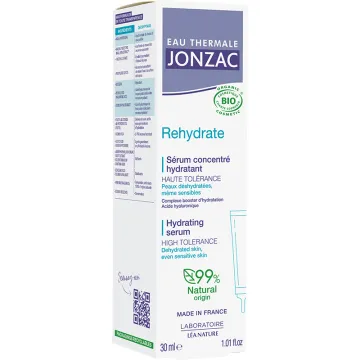
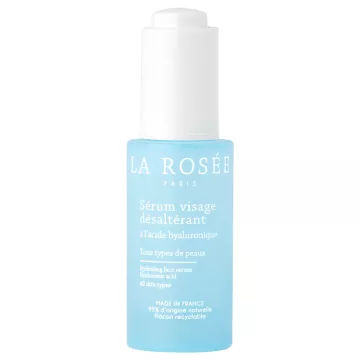
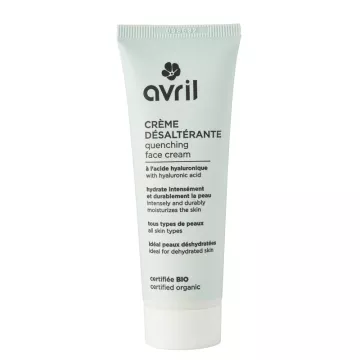
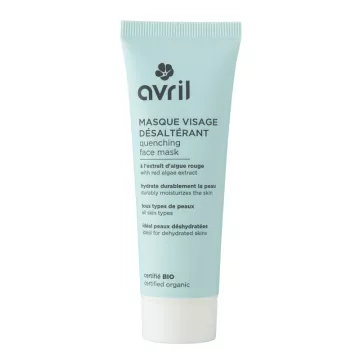
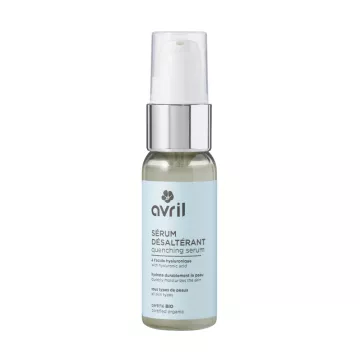
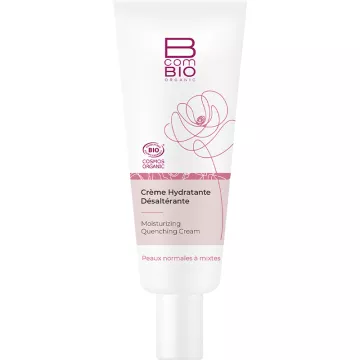
A hydrating cream is a moisturizer specifically designed to provide intense hydration to the skin. Its formula locks moisture into the outer layers of the epidermis and revitalizes the skin in just a few minutes. Thanks to key active ingredients such as hyaluronic acid, glycerol, and plant extracts, it forms a protective barrier that limits moisture loss and supports skin elasticity.
The hydrating cream is primarily intended for people with dry or dehydrated skin, but also for those living in environments that are harsh on the skin, such as pollution, extreme weather conditions, or exposure to wind. It is also invaluable for those who frequently use heating or air conditioning, as these systems disrupt the skin’s natural moisture balance.
To maximize the benefits of your hydrating cream, apply it to clean, slightly damp skin. Use gentle circular motions to promote absorption and stimulate microcirculation. Applying it twice a day—morning and night—ensures continuous hydration day and night.
The most effective ingredients in a hydrating cream includehyaluronic acid, which can hold up to 1,000 times its weight in water, glycerin, which hydrates and softens, as well as soothing plant extracts likealoe vera or cucumber, which provide freshness and vitamins essential for skin health.
Regular use of a hydrating cream visibly transforms the skin’s appearance. Beyond deep hydration, it reduces fine lines caused by dehydration and makes the skin more supple and radiant. Over time, the skin appears revitalized, better balanced, and visibly healthier.
Yes, the hydrating cream fits perfectly into a complete skincare routine alongside serums, masks, and sunscreen. Apply it after treatment products (serums) but before heavier products like oils or sunscreen to maximize its effectiveness.
To choose the right hydrating cream, first assess your skin type: dry, oily, combination, or sensitive. Dry skin will benefit from formulas enriched with nourishing ingredients like shea butter. Oily skin will prefer lightweight, non-comedogenic textures. Sensitive skin should opt for hypoallergenic products without added fragrance to minimize irritation.
Yes, the hydrating cream is useful year-round. In winter, it combats dryness caused by cold weather and heating. In summer, it soothes and hydrates the skin after sun exposure. Simply adjust the amount according to seasonal needs, applying a lighter layer during hot and humid months.
The skin around the eyes is particularly thin and prone to fine lines caused by dehydration. For this area, it’s best to choose a specialized hydrating cream that’s gentle enough. Make sure the product is ophthalmologically tested and formulated to minimize any risk of eye irritation.
The main difference lies in the texture and concentration of active ingredients. Serums are lighter and contain a higher concentration of targeted active ingredients, allowing for deep and rapid penetration. Hydrating creams, with a richer texture, provide intense hydration and form a protective barrier on the skin’s surface.
Incorporating a hydrating cream into your anti-aging routine enhances the effectiveness of your other skincare products. Apply it after your anti-aging serums to lock in their active ingredients, then, if necessary, add a thicker anti-wrinkle cream. This layering maintains optimal hydration, which is essential for reducing wrinkles and fine lines.
Find all the right skincare products in our hydration category.