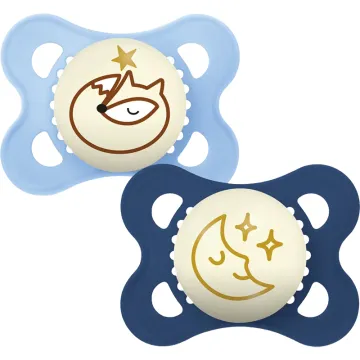
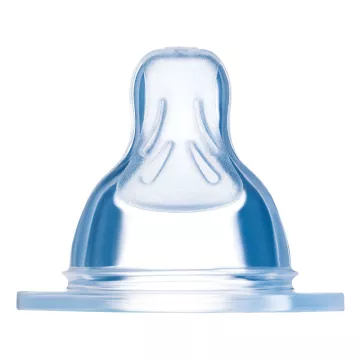
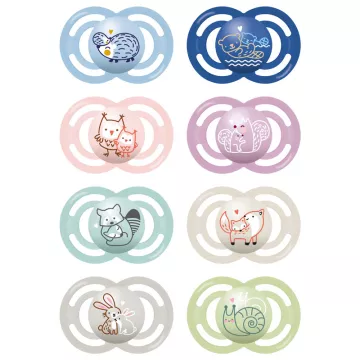
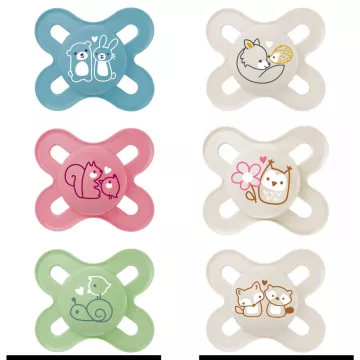
Sucking is a natural and vital reflex in infants: it allows them to feed, find comfort, and develop their oral muscles. Choosing the right sucking accessories—nipples, pacifiers, bottles, and breast shields—is one of the key decisions to make in the first few weeks.
What is sucking, and why is it important?
Sucking is an innate reflex present even before birth. It enables the baby to feed from the breast or a bottle, contributes to the development of facial muscles, and has a soothing effect on the infant. It is also central to thebreastfeeding relationship and the transition from breast to bottle.
How do you choose the right nipple for your baby?
The choice of nipple affects the comfort and effectiveness of sucking.
- Flow rate: age-appropriate (slow flow up to 3 months, medium thereafter) to prevent excessive air intake and infant colic
- Material: silicone (washable, latex-free) or latex (more flexible) depending on the baby’s tolerance
- Shape: Ergonomic bottles designed to mimic the shape of the breast for breastfed babies
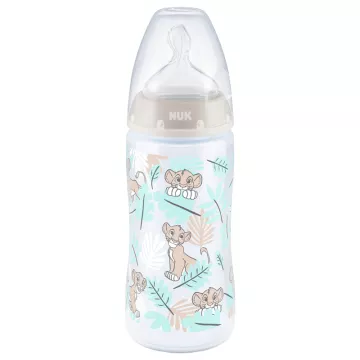
Our selection of baby bottles covers all ages and needs.
Orthodontic or classic nipples: what’s the difference?
Orthodontic nipples have an asymmetrical shape designed to follow the natural shape of the palate and reduce pressure on the gums. Classic symmetrical nipples are suitable for most babies without specific needs. If you’re unsure which shape is right for your child, it’s recommended to consult your pediatrician.
How do you clean and sterilize bottles and nipples?
Impeccable hygiene protects infants from the risk of infection.
- Wash immediately after each use with hot soapy water and a bottle brush
- Sterilize by steaming or boiling (at least 5 minutes) until the baby is at least 6 months old
- Replace nipples and pacifiers every 1 to 2 months or as soon as they show signs of cracking
- Find all the essentials in our baby hygiene selection
When and how should you introduce a bottle?
Introducing a bottle to an exclusively breastfed infant is generally recommended between 3 and 6 weeks of age, oncebreastfeeding is well established.
- Choose a slow-flow nipple that mimics the sensation of the breast
- Offer the bottle when the baby isn’t very hungry to minimize resistance
- Having someone other than the mother offer the bottle can make it easier for the baby to accept it at first
- Breastfeeding accessories (nipple shields, nursing pads) round out the maternity kit
How to handle nighttime feeding?
Nighttime feeding is normal and stems from the infant’s need for comfort. A few guidelines can help breastfeeding moms find the right balance.
- Make sure the baby is well-fed in the evening
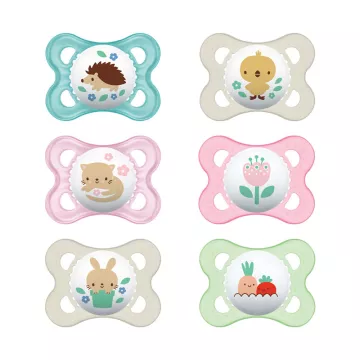
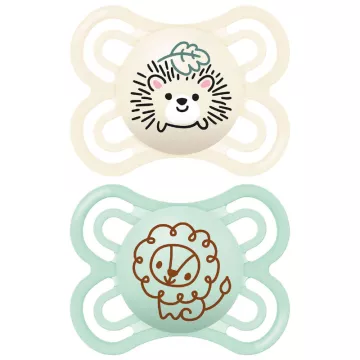
- A pacifier can provide comfort without triggering a feeding if breastfeeding is well established
- Establish a consistent bedtime routine to gradually reduce dependence on nighttime feeding
- If any difficulties persist, consult your pediatrician or a lactation consultant