Why are proteins essential for strengthening bones?
Proteins make up about 30% of dry bone mass—primarily in the form of type I collagen. Strengthening bones is therefore not limited to calcium and vitamin D: the collagen matrix gives bones their flexibility and tensile strength, while minerals provide hardness. Discover our remineralizing supplements that incorporate these protein cofactors.
- Recommended intake for bone health: 1.0–1.2 g of protein per kg of body weight per day—increased to 1.2–1.5 g/kg following a fracture or bone surgery
- Myth to debunk: High-protein diets slightly increase urinary calcium excretion, but studies show that the net effect on bone density is positive if calcium intake is simultaneously sufficient
- Populations at risk for protein deficiency: older adults (physiological anorexia), strict vegans (quality of plant-based proteins), people on very restrictive diets
- Hydrolyzed marine collagen: directly provides the precursor amino acids (glycine, proline) for bone collagen synthesis—complementary to dietary protein sources
Which supplements effectively strengthen bones?
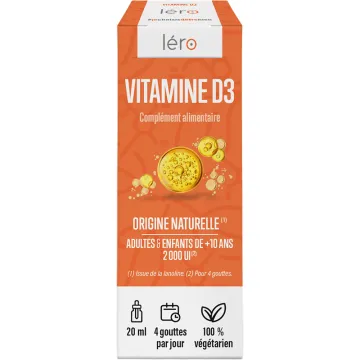
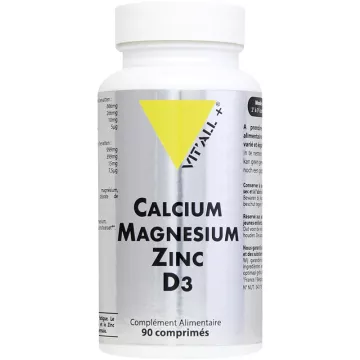
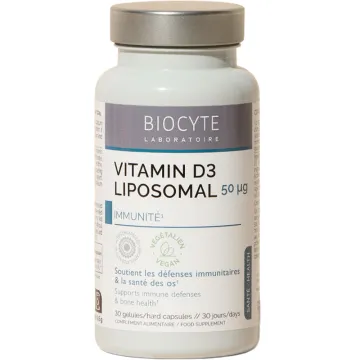
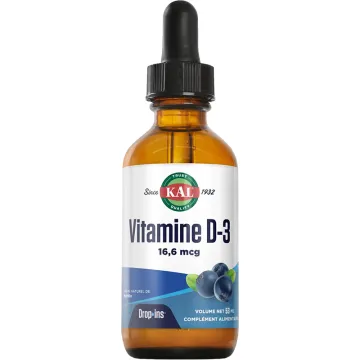
An effective bone-strengthening strategy combines several complementary active ingredients—find the right formulas in our calcium and vitamin D product lines.
- Calcium: 1,000–1,200 mg/day — divide into 2 doses (max 500 mg/dose) to prevent saturation of intestinal absorption
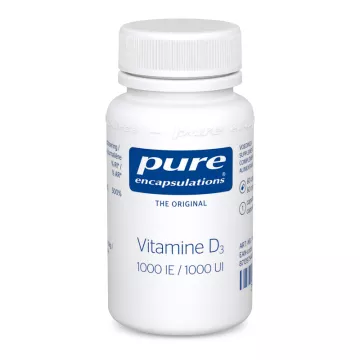
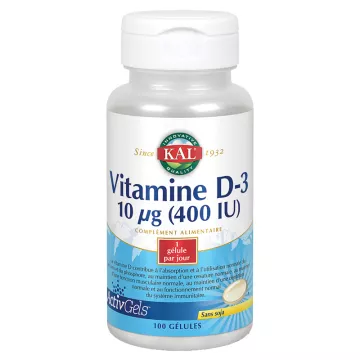
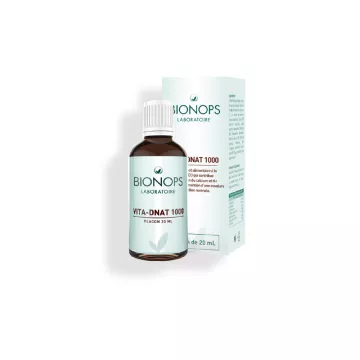
- Vitamin D3: Maintain serum levels ≥ 30 ng/mL—annual blood test recommended to adjust the dose
- Vitamin K2 MK-7: activates osteocalcin to direct calcium to the bones—100–200 μg/day—also reduces the risk of arterial calcification associated with calcium supplements
- Magnesium: activates vitamin D3 and is a direct component of hydroxyapatite — 300–400 mg/day
- Organic silicon: stimulates bone collagen synthesis and improves mineralization — a complementary active ingredient to strengthen the bone matrix
How can you strengthen your bones at every stage of life?
Strategies for strengthening bones vary by age—each stage of life has its own specific priorities for preserving or restoring bone density and preventing fractures.
- Children and adolescents: 1,300 mg of calcium per day (growth spurt) + vitamin D3 + daily high-impact physical activity (sports, jumping) — this is when lifelong bone mass is built
- Active adults (ages 30–50): maintain calcium intake + D3 + K2, strength training, and weight-bearing exercises—to prevent premature bone loss
- Menopause: increase intake, consider a DEXA scan, increase supplementation—a critical phase of accelerated bone loss
- Seniors: ↑ protein, calcium + D3 + K2, gentle strength training, fall prevention—the two key strategies: strengthen bones AND avoid trauma
How does diet specifically influence bone strength?
- Sodium: Each gram of excreted sodium results in a loss of 15–20 mg of urinary calcium—a very high-sodium diet can negate the benefits of adequate calcium supplementation
- Fruits and vegetables: reduce metabolic acidosis, which stimulates bone resorption — diets high in animal protein and low in plant-based foods are more acid-forming
- Fatty fish: provide calcium (sardines, mackerel with bones), vitamin D, and anti-inflammatory omega-3s—a triple benefit for bone health
- Dairy products: high bioavailable calcium + protein + phosphorus + vitamin D if fortified — 3 servings per day provide 900 mg of calcium
- Sodas and ultra-processed foods: phosphoric acid in sodas + excess sodium—two dietary factors that weaken bones on a daily basis