What are the key factors for improving athletic performance?
Athletic performance results from the simultaneous optimization of several complementary factors: sport-specific training, nutrition around competition, recovery, and mental preparation. Sport-specificity is the foundational principle: the adaptations that occur are specific to the movements, intensities, and energy systems involved. A comprehensive performance program must therefore combine discipline-specific training with complementary work (core strengthening, proprioception, strength training) to strengthen stabilizing muscles and reduce the risk of joint injuries. Vitamin C supports the synthesis of collagen in tendons and joints, which are subjected to maximum stress during competition.
Does nutrition around competition improve performance?
Nutrition around competition follows different principles than training nutrition:
- The week before competition: Gradually increase carbohydrate intake (carbohydrate loading) to replenish glycogen stores. Reduce fiber and fat intake 24 to 48 hours beforehand to make digestion easier.
- The pre-competition meal (2 to 4 hours before): rich in complex carbohydrates with a moderate glycemic index, moderate in protein, and low in fiber and fat.
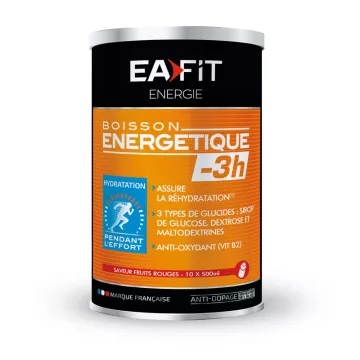
- During the competition (>60 min): 30 to 60 g of fast-acting carbohydrates per hour and electrolytes to maintain blood sugar levels and neuromuscular conductivity.
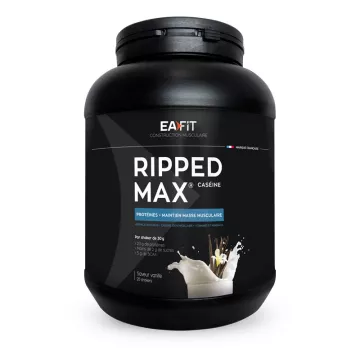
- Post-competition recovery: 20 to 40 g of protein + carbohydrates within the following hour, followed by natural anti-inflammatories (omega-3, turmeric) to accelerate the resolution of inflammation.
Which supplements are particularly useful during competition?
Certain supplements are particularly relevant in a competitive setting:
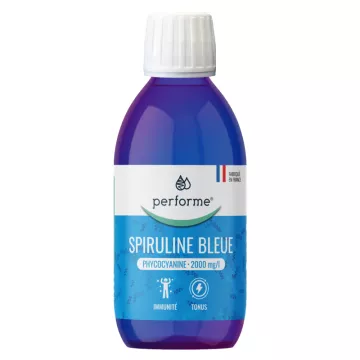
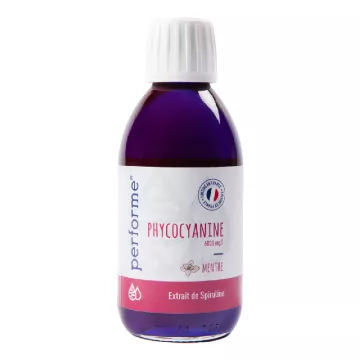
- Spirulina: rich in the antioxidant phycocyanin, highly bioavailable iron, and complete proteins. Studies suggest it improves aerobic endurance and reduces muscle fatigue during periods of intense competition.
- Vitamin D3: modulates the expression of androgen receptors in muscle fibers and directly influences maximum strength and power. A deficiency is associated with suboptimal performance and increased susceptibility to respiratory infections.
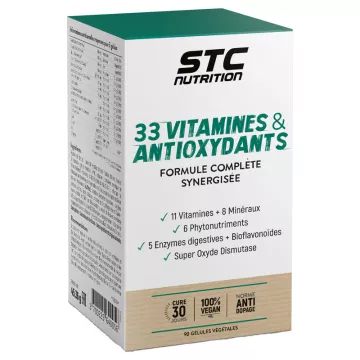
- Targeted antioxidants (vitamin C, vitamin E, polyphenols): protect mitochondria from oxidative stress generated by intense competitive exertion. Avoid taking large doses immediately before training sessions so as not to block adaptive signals.
How can you boost immunity during athletic competitions?
Periods of intense competition create an immunosuppressive window that increases the risk of upper respiratory infections. To boost natural immunity during competition cycles:
- Vitamin D3 (1,000 to 2,000 IU/day): Regulates immune genes and reduces the frequency of upper respiratory tract infections in athletes.
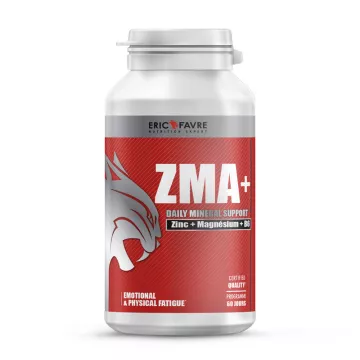
- Zinc (10 to 25 mg/day): a cofactor for T-cell proliferation and antibody production. Zinc deficiency exacerbates post-competition immune suppression.
- Probiotics: Several strains (Lactobacillus rhamnosus GG) have been linked to a reduced incidence of respiratory infections in endurance athletes.
- Avoid caloric deficits during competition periods: energy restriction exacerbates post-exercise immune suppression.
Why is sleep key to athletic performance?
Sleep is the most underutilized performance lever at the elite level. Studies from Stanford on basketball players and tennis players show that extending sleep duration to 9 to 10 hours significantly improves sprint times, technical precision, reaction speed, and subjective well-being. The mechanisms: a nocturnal peak in growth hormone for tissue repair, consolidation of motor learning during REM sleep, and the removal of metabolic waste from the brain via the glymphatic system. When traveling or experiencing jet lag, extended-release melatonin helps you fall asleep and synchronize your circadian rhythm.
How can muscle injuries be prevented during competition?
Muscle pain and tendon injuries occur more frequently during competition periods due to increased physical demands and psychological stress. Preventive strategies:
- A progressive warm-up tailored to the sport (at least 15 to 20 minutes before competition).
- Hydrolyzed collagen + vitamin C 1 hour before competition: stimulates tendon collagen synthesis and reduces the risk of injury during eccentric exercises.
- Regular omega-3 supplementation (2 to 4 g/day of EPA/DHA): reduces muscle inflammation and the risk of injury during intense eccentric efforts.
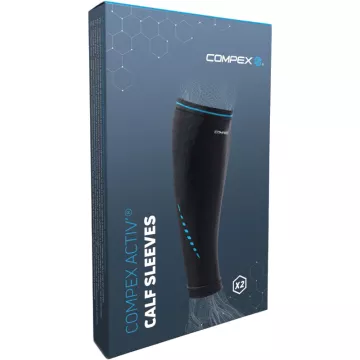
- Cold baths and compression between events (tournaments, multi-stage competitions): reduce swelling and accelerate strength recovery between two closely spaced outings.