Thin eyebrows are most often the result of a combination of factors. Nutritional deficiencies (iron, zinc, biotin, silica) are the primary reversible cause—low ferritin levels (< 30 µg/L) have been linked to hair thinning in several prospective studies, even in the absence of clinical anemia. Chronic over-plucking is the second leading cause: repeated, overly aggressive hair removal over the course of years can permanently damage the eyebrow hair follicles. Hormonal causes (hypothyroidism, menopause, PCOS) primarily affect the outer third of the eyebrows—a classic clinical sign. Skin conditions (alopecia areata, seborrheic dermatitis) and certain medications (anticoagulants, oral retinoids) also contribute to eyebrow thinning.
Three micronutrients are directly involved in the health of eyebrow hair follicles. Zinc acts as a cofactor for follicular 5-alpha-reductase and the RNA polymerases necessary for cell division in the hair matrix—a deficiency in zinc causes follicular miniaturization. Sulfur (MSM, 1 to 3 g/day) provides the atoms essential for the disulfide bonds (-S-S-) in eyebrow keratin—the hair’s mechanical strength depends directly on this. Iron is a cofactor for ribonucleotide reductase, which synthesizes DNA in the hair bulbs—low ferritin levels affect the eyebrows before causing visible anemia.
Silica (30 to 50 mg/day of bioavailable silica) stimulates the synthesis of keratin and collagen in the cells of the follicular matrix. L-cystine (200 to 400 mg/day), a sulfur-containing amino acid that is a precursor to disulfide bonds, reduces hair shedding and increases density, according to randomized dermatological studies after 3 to 6 months. The combination of silica, L-cystine, and zinc is the gold standard in nutritional supplementation for oral eyebrow thickening.
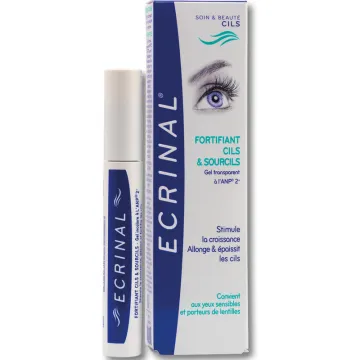
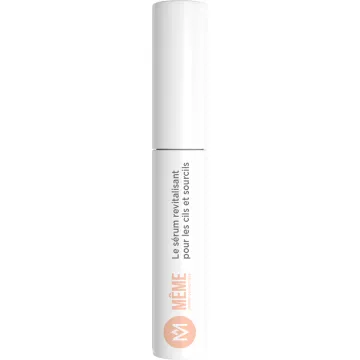
Two distinct mechanisms of action coexist. Serums containing prostaglandin analogs (isopropyl cloprostenate—such as Revitalash Revitabrow) extend the anagen phase of the eyebrow follicular cycle by 3 to 4 weeks—clinical efficacy is documented, but the effect is reversible upon discontinuation. Nourishing serums (Ecrinal Fortifying Gel, Même Revitalizing Serum) contain hydrolyzed plant keratins, peptides, and nourishing oils to strengthen the mechanical resilience of existing hair. For very sparse eyebrows, the combination of an active serum + nutritional supplementation + fill-in makeup is the most comprehensive approach, as outlined on the “Eyes” page.
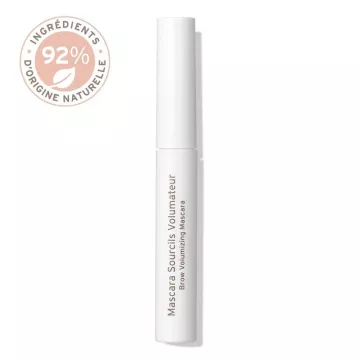
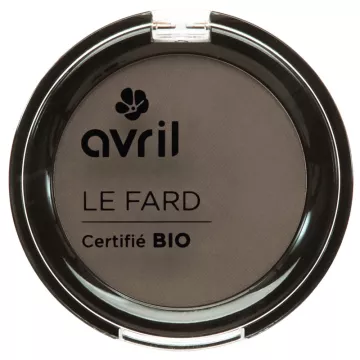
Makeup can visually compensate for sparse brows while nutritional treatments take effect. An eyebrow pencil (Avène Couvrance, Avril Crayon Bio) allows for hair-by-hair application to simulate density in specific areas. Powder eyeshadow (Avril Fard Bio) creates a natural-looking density by filling in gaps through blending. Eyebrow mascara (Embryolisse) visually thickens and sets existing hairs. The optimal professional technique combines all three: pencil (simulating hairs) + powder (density) + setting product (hold).
Hormone-related eyebrow thinning is one of the earliest signs of thyroid imbalances and menopause. In hypothyroidism—even subclinical hypothyroidism (TSH > 4 mIU/L without obvious symptoms) — the reduction in thyroid hormones slows the metabolism of hair follicles and prolongs the telogen (resting) phase, reducing eyebrow density. During menopause, the drop in estrogen disrupts the androgen-to-estrogen ratio at the follicular level—relatively higher levels of androgens cause eyebrow follicles to miniaturize through the same mechanism as in androgenetic alopecia. A hormonal and thyroid workup is recommended in cases of sudden eyebrow loss, prior to any cosmetic treatment.