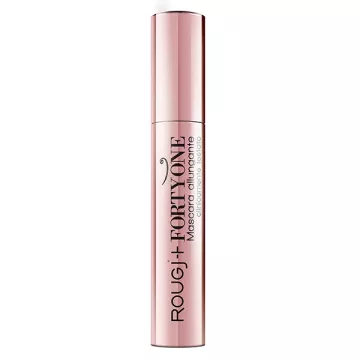
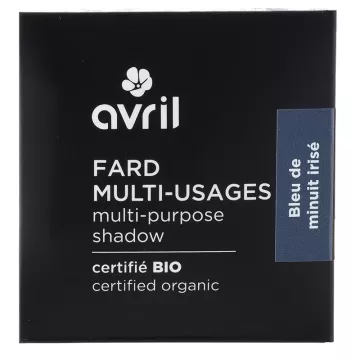
The eye area is the first part of the face where signs of fatigue and aging appear. Five complementary steps form the basis of a consistent routine: eye contour care (hydration, firmness, radiance), eyelash care (strengthening serum, suitable mascara), eyebrow care (nutrition, shaping), makeup tailored to facial features and skin sensitivity, and internal eye nutrition. These five aspects reinforce one another—antioxidant nutrition slows the breakdown of topical active ingredients caused by oxidative stress, and an effective eye contour treatment enhances the effect of a good mascara. The eye care routine must be tailored to age, the sensitivity of the periorbital skin, and any associated eye conditions.
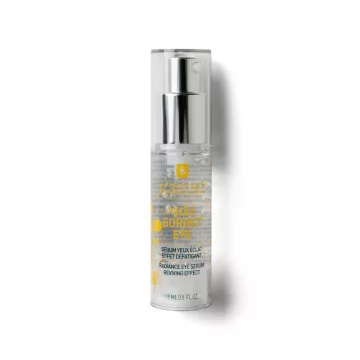
Extracted from the zest of yuzu (Citrus junos), its flavonoids and limonoids provide powerful antioxidant protection against free radicals generated by blue light and UV rays—particularly relevant for the periorbital skin, which is exposed daily to screens and the sun. This is the signature active ingredient in Erborian Yuza Sorbet Eye Serum. Vitamin E (tocopherols, 0.5 to 1% when applied topically) protects the lipid membranes of dermal cells against lipid peroxidation—a cellular aging mechanism that is particularly active in this delicate area with a high mitochondrial density.
Selenium (55–200 µg/day) acts as a cofactor for glutathione peroxidase in peri-orbital dermal fibroblasts—it neutralizes lipid hydroperoxides responsible for the breakdown of collagen and elastin. Insufficient intake has been associated with reduced peri-orbital skin elasticity in several epidemiological studies. Copper is a cofactor for lysyl oxidase, an enzyme that forms cross-links in collagen and elastin within the extracellular matrix—a deficiency in copper leads to sagging skin and premature loss of firmness around the eyes.
Supplementation with hydrolyzed collagen (peptides < 3 kDa, 2.5 to 10 g/day) is the best-documented “inside-out” approach for periorbital firmness. By stimulating procollagen synthesis by dermal fibroblasts and inhibiting degradative MMPs, it improves the density of the periorbital dermis. The study by Proksch et al. (2014) confirms a 65% increase in procollagen synthesis after 8 weeks, with a visible reduction in wrinkles and improved periorbital skin elasticity.
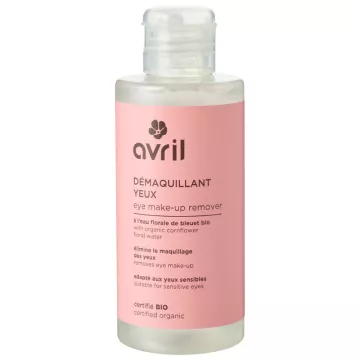
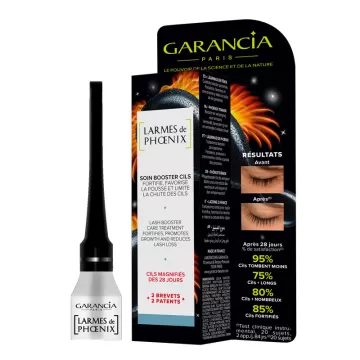
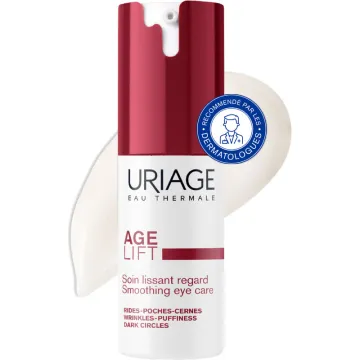
The routine is divided into two distinct steps. In the morning: a lightweight eye treatment (AH gel or vitamin C + caffeine gel) → appropriate mascara → concealer if needed → mineral SPF around the eyes. In the evening: gentle, thorough makeup removal (two-phase cleanser for waterproof mascara) → eyelid cleansing if needed → active eye contour treatment (progressive retinol, peptides, collagen, yuzu) → fortifying eyelash serum applied to the roots. For dark circles, puffiness, and the eyelids, targeted treatments round out the eye care routine for optimal overall results.
Nutrition plays a foundational role—often underestimated—in the quality of your eyes. Omega-3 fatty acids (EPA/DHA) support the lipid tear film and reduce periorbital inflammation. Antioxidants (lutein, zeaxanthin, resveratrol, vitamin C) protect photoreceptors and the periorbital dermis from photo-oxidative stress. Zinc and selenium support periorbital tissue repair. Magnesium improves the quality of restorative sleep. This nutritional synergy—combined with appropriate topical care and a consistent routine—offers the most comprehensive approach to maintaining healthy, radiant eyes that are resilient against daily stressors.